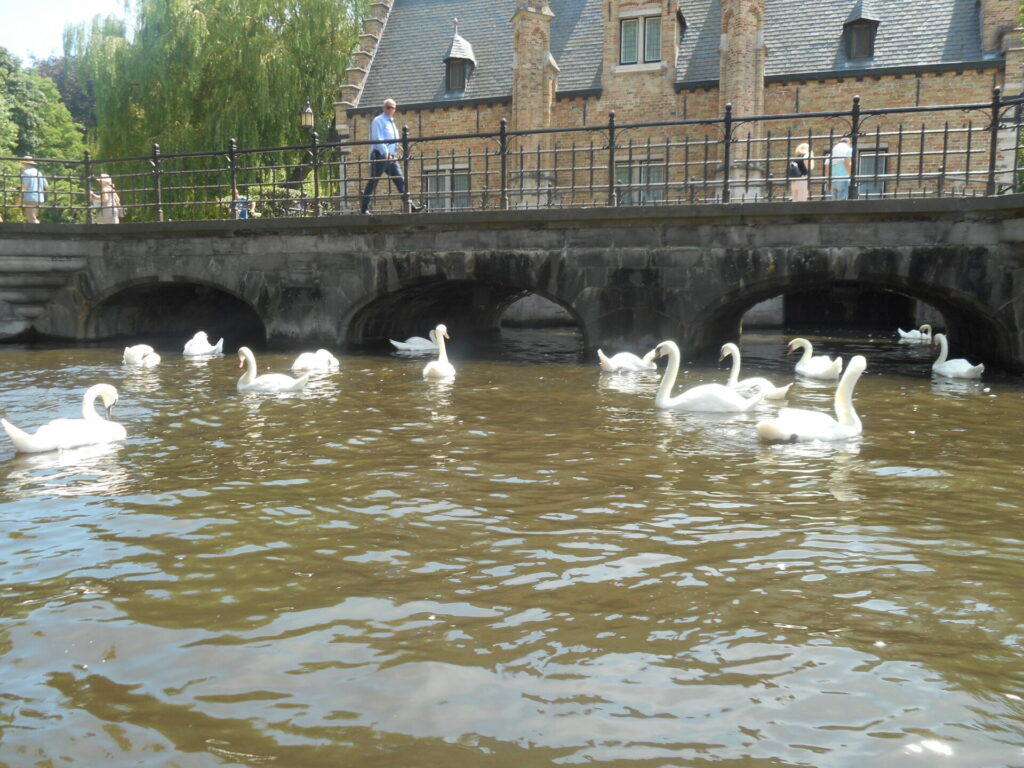
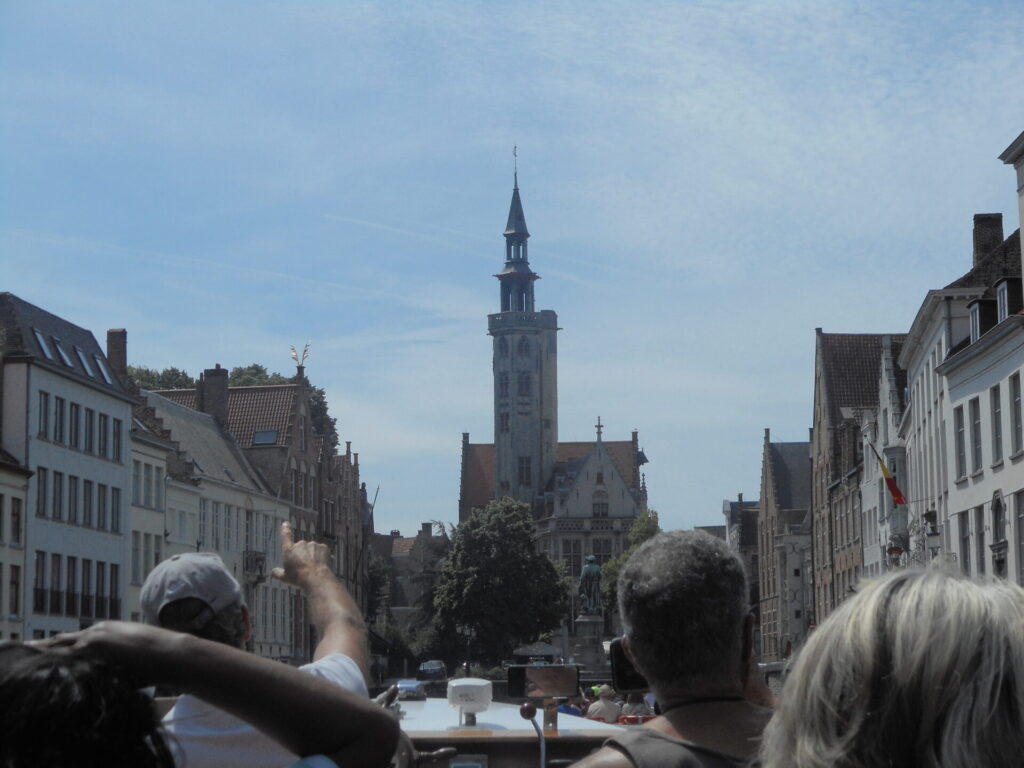
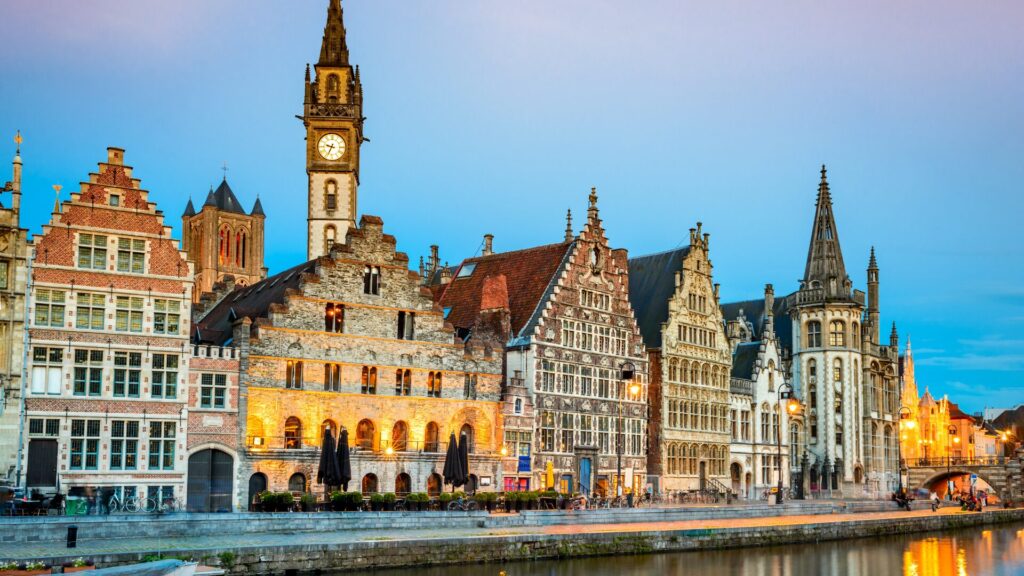
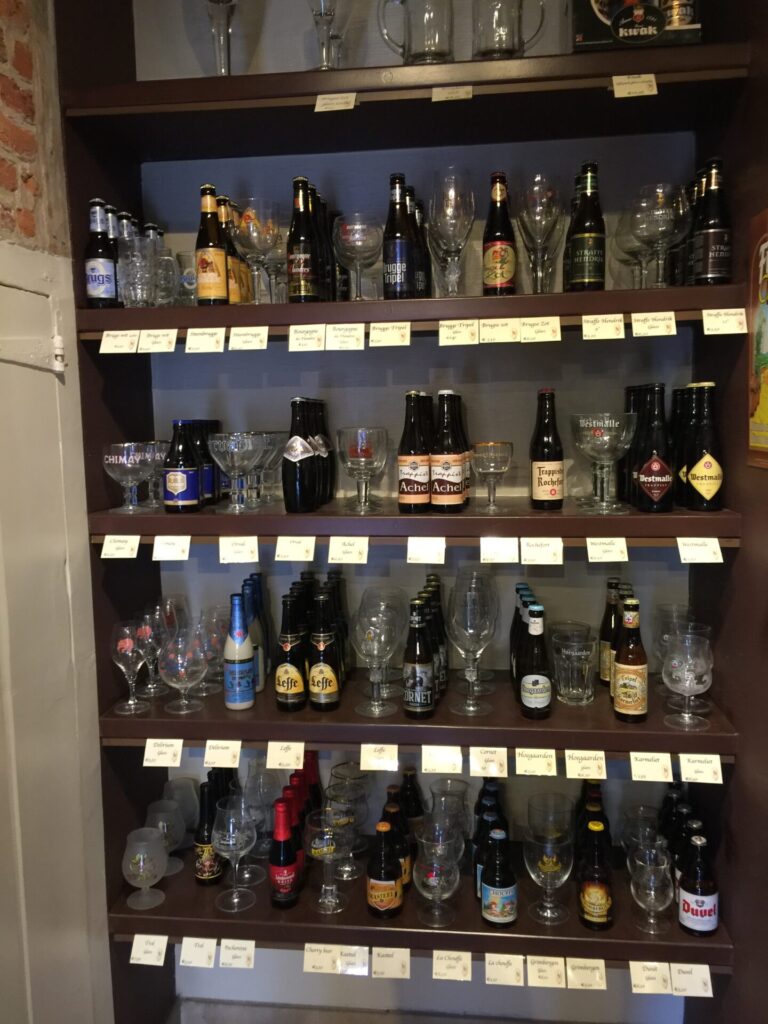
Belgium is a small yet captivating European country known for its medieval towns, Gothic architecture, chocolate, waffles, and world-class beer. From the storybook canals of Bruges and the cultural energy of Brussels to the art-filled streets of Antwerp and the historic charm of Ghent, Belgium blends old-world beauty with cosmopolitan flair. Belgium may be compact, but it’s bursting with charm, flavor, and culture. Whether you’re sipping Trappist beer in Bruges, exploring Brussels’ Grand Place, or cycling through the Flemish countryside, Belgium promises a European escape that’s both easy and unforgettable.

EUROPE

BELGIUM

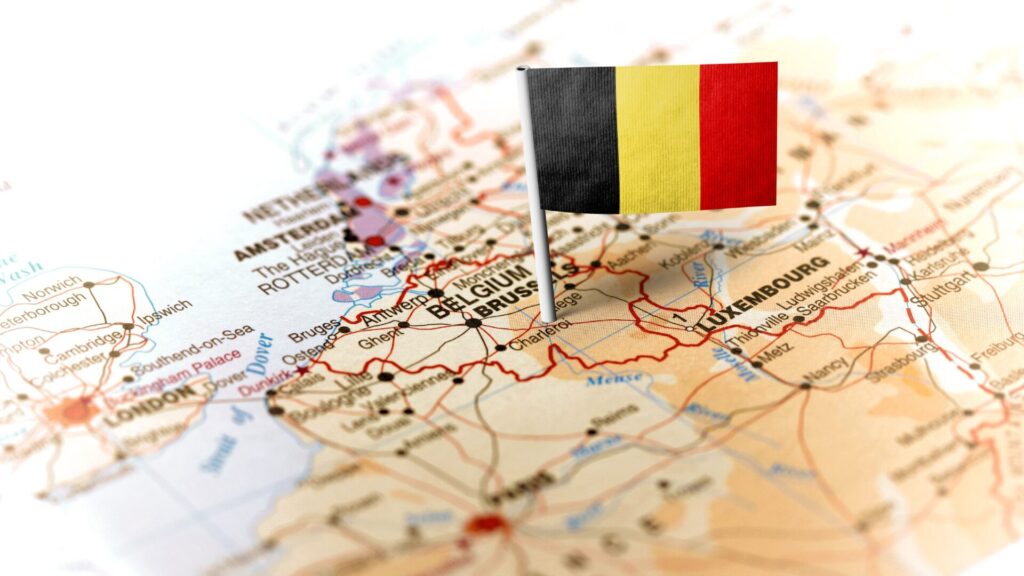
Map of Belgium
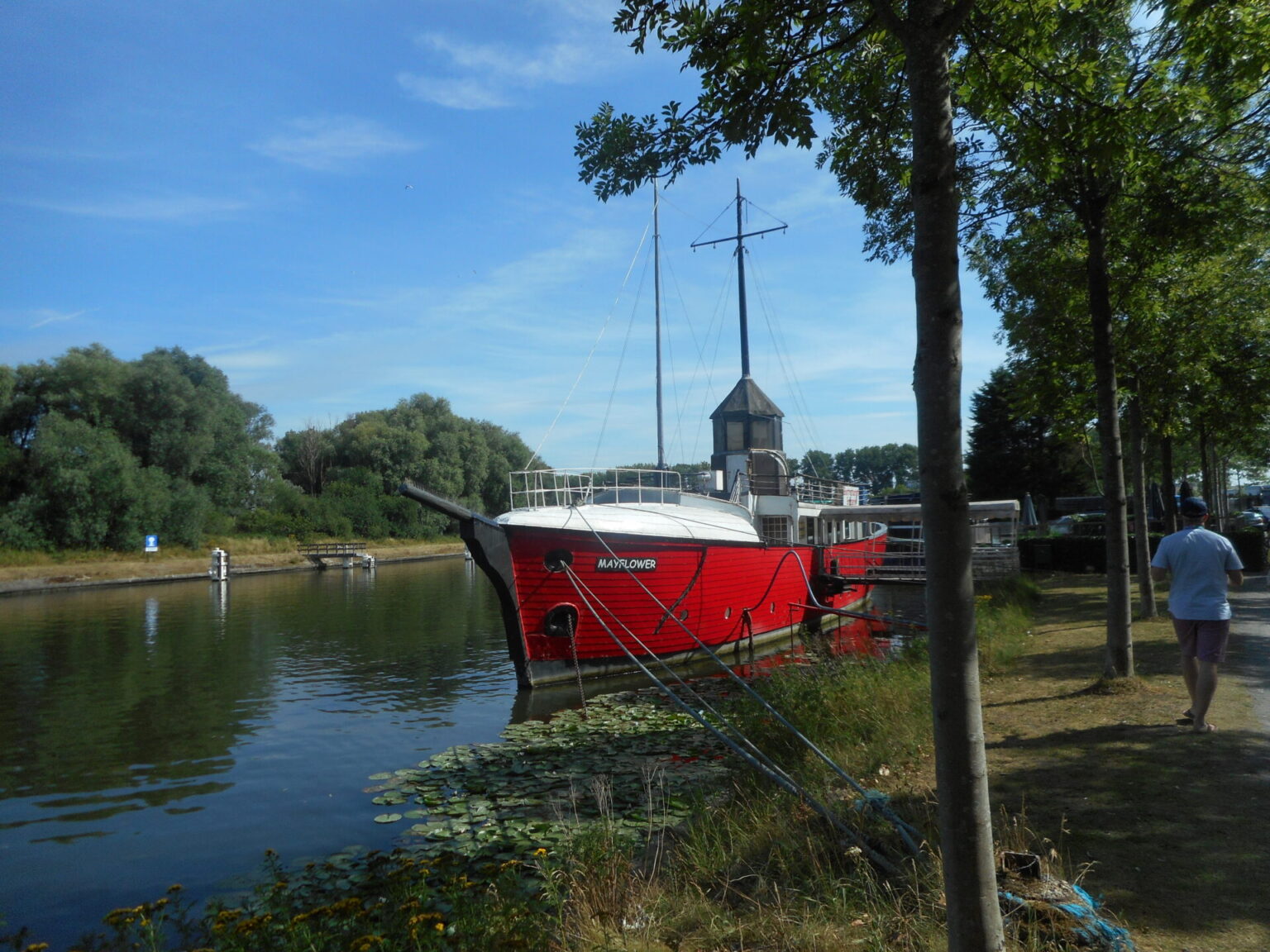
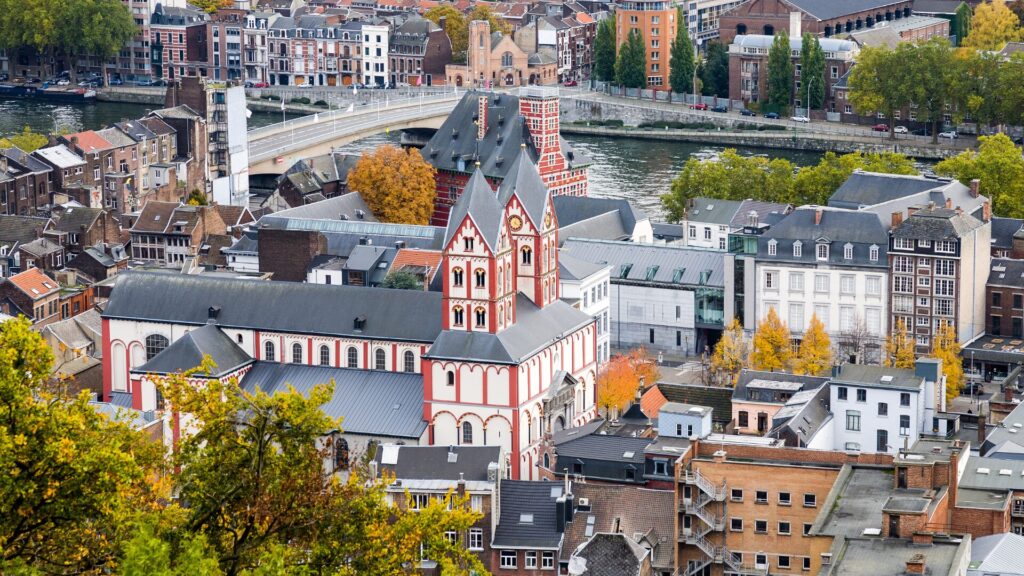
Belgium Scenery
Belgium Beer

What To Expect In Belgium

Belgium offers a delightful mix of history, culture, and modern convenience. Travelers will find charming cobblestone streets, impressive cathedrals, and a culinary scene famous for its chocolate, fries, waffles, and beer. Its compact size makes it easy to explore multiple cities in just a few days, with excellent rail connections and friendly locals who often speak multiple languages.

Languages: Belgium has three official languages – Dutch (Flemish), French and German – depending on the region. In Brussels and Wallonia, French is predominant. In Flanders (northern Belgium), Dutch (Flemish) is widely spoken. In the eastern regions, German may be used. However, most Bgians speak fluent English, especially in major cities and tourist aras. Some  helpful phrases for getting along in Belgium are:

  • Bonjour – hello (French)
  • Goedendag – hello (Dutch)
  • Dank u / Merci – thank you
  • Alstublieft / S’il vous plait – please

Currency: Belgium uses the Euro (€). Credit and debit cards are widely accespted, inclduing VIsa, Mastercard, and American Express. ATMs are plentiful in cities and towns. Mobile payments (Apple Pay and Google Pay) are accepted at most retailers and restaurants. The exchange rate averages around €1 = $1.05 – $1.10 USD, depending on the market. Small shops and markets may prefer cash, so it’s always a good idea to keep some euros on hand. 

Climate: Belgium has a temperate maritime climate, meaning mild termperatures, moderate rainfall, and no extreme weather. It is advisable to pack for unpredictable showers and to bring layers year-round. Seasonally, you can expect:

  • Winter (Dec-Feb): Cold and damp, with temperatures averaging 35-45º F (2-7º C). Christmas markets are very popular in both Brussles and Bruges.
  • Spring (Mar-May): Mild and blooming, perfect for outdoor cafes and tulip gardens.
  • Summer (Jun-Aug): Warm and lievely, with lots of ourdoor festivals and plenty of tourists. Average temperatures during the summer are 67-75º F (18-24º C).
  • Fall (Sep-Nov): Cool and crips with fewer crowds and beautiful foliage in parks as well as troughout the countryside.

The best time to visit Belgium is Spring through Summer, when the weather is pleasant, daylight lasts longer, and festivals fill the cities. For fewer crowds though and lower prices, early Spring and Fall are ideal.
Getting Around In Belgium

Compact and efficient, Belgium is one of Europe’s easiest countries to navigate. Public transportation is reliable, and distances between major cities are short, making day trips easy.

Trains:The Belgian Rail (SNCB/NMBS) connects Brussels, Bruges, Ghent, Antwerp, and Liège with frequent and affordable service. High-speed trains also link Belgium to Paris, Amsterdam, and London.

Public Transportation: Austria’s major cities, including Vienna, Salzburg, and Graz, have excellent public transportation systems that are both affordable and user-friendly. Vienna’s U-Bahn (subway) network, along with trams and buses, provides an efficient way to navigate the city and access key attractions like Schönbrunn Palace and St. Stephen’s Cathedral. Similarly, Salzburg and Innsbruck offer well-developed bus and tram networks that make city exploration easy. Tickets can be purchased at stations, on buses, or via mobile apps, and multi-day passes are available for unlimited travel within each city.

Buses: Intercity and local buses complement the train network and are ideal for smaller towns or regional attractions. The De Lijn, TEC, and STIB networks cover most areas efficiently.

Domestic Flights: Given Belgium’s small size, domestic flights are rare and unnecessary. Brussels Airport (BRU) serves as the main international hub, while Charleroi (CRL) handles budget airlines.

Taxis and Ride-Sharing: Available in major cities, taxis can be hailed on the street or booked via apps. Uber operates in Brussels and select cities; Bolt and Heetch are alternatives..

Car Rentals: Cars are useful for countryside exploration, but unnecessary in cities due to excellent train service and limited parking. If renting, note that driving is on the right and most signs are in Dutch or French.

Bikes and E-Scooters: Belgium is extremely bike-friendly, with rental services and dedicated lanes in most cities. E-scooters are common in Brussels, Antwerp, and Ghent — a quick and fun way to explore urban areas.

Belgium
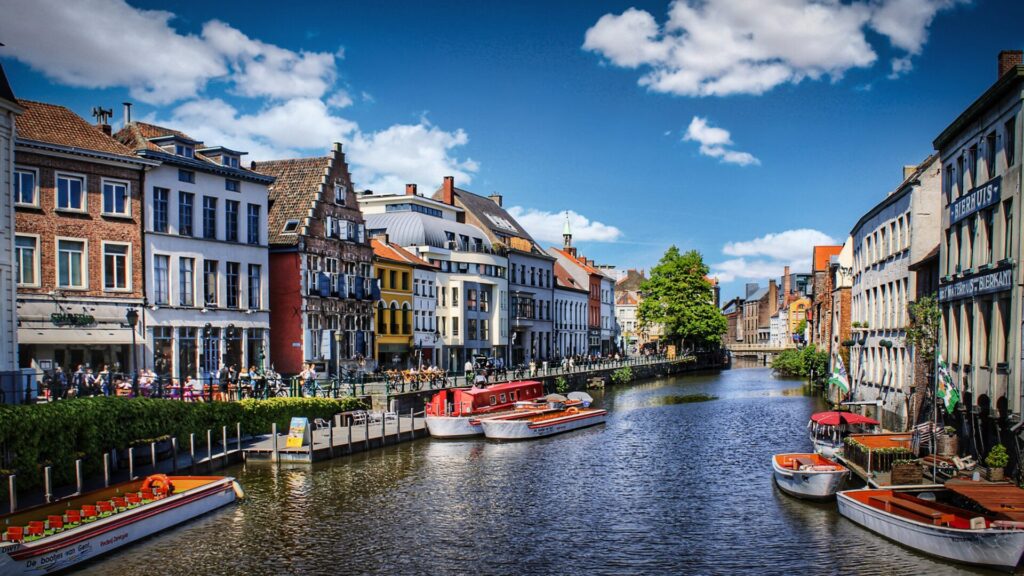
Bruges Canals
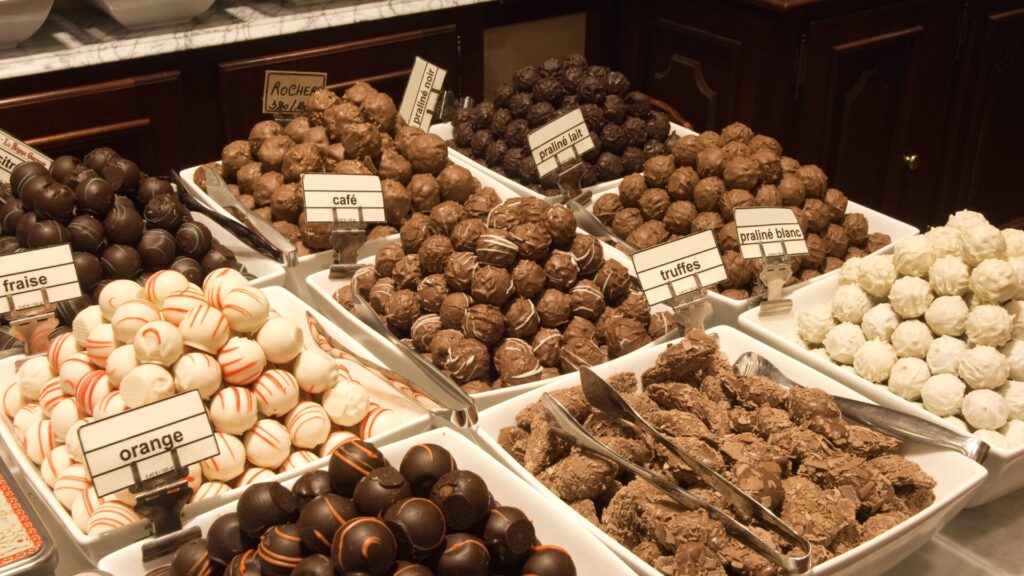
Belgium Chocolate
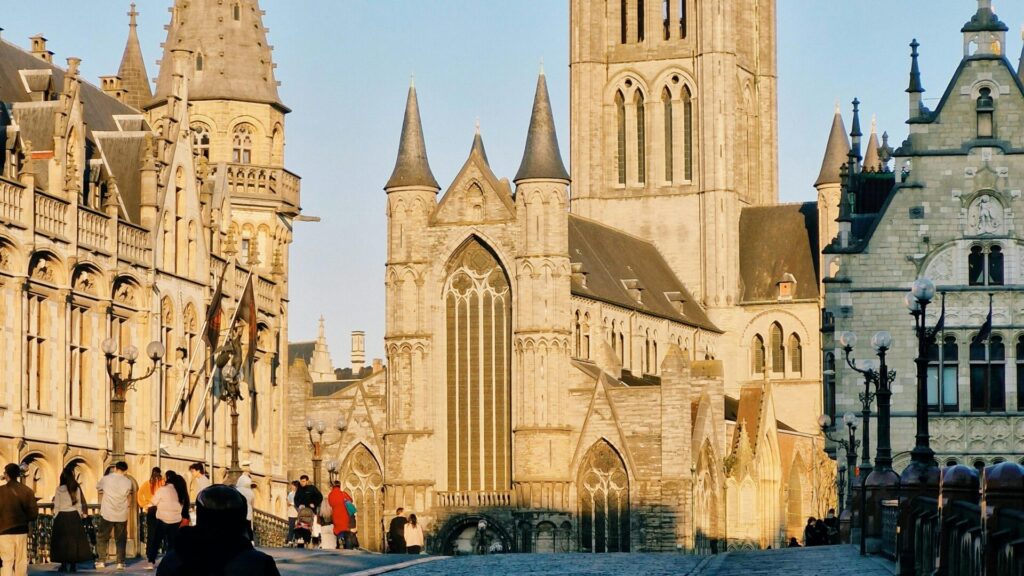
Belgium Cathedral

Belgium Podcast and Travel Guides

Coming soon . . .