Updated October 2026
Singapore is a city of contrasts. Futuristic gardens rise above historic neighborhoods, world-class restaurants share the spotlight with generations-old hawker stalls, and lush tropical escapes are never far from the energy of the city.
Having lived in Singapore for a decade, we’ve experienced a side of the Lion City that goes well beyond its famous skyline. It’s a place where a simple meal can become a travel highlight, where different cultures live side by side, and where some of the most memorable experiences are found away from the usual sightseeing circuit.
Whether you’re planning your first visit, returning for a deeper experience, or traveling with family, we’ve selected 15 of the best things to do in Singapore, along with practical tips on where to eat, what to book, and how to make the most of your time.
Short on Time? Here’s What You Need to Know
- Best first-time experiences: Marina Bay Sands, Gardens by the Bay, Chinatown, Kampong Gelam, and Singapore’s hawker centres.
- Best for families: Sentosa Island, Singapore Zoo, Night Safari, and Jewel Changi Airport.
- Best food experiences: Hainanese chicken rice, chili crab, pepper crab, satay, laksa, and neighborhood hawker centres.
- Best free attractions: Merlion Park, Singapore Botanic Gardens, the outdoor gardens at Gardens by the Bay, and the historic neighborhoods.
- Ideal trip length: Three to four days for a first visit; five or more for wildlife parks, Sentosa, and quieter neighborhoods.
- Getting around: The MRT is excellent for most sightseeing. Grab and taxis are convenient alternatives.
PLP Tip
Singapore is compact, but the heat and humidity can make a packed sightseeing schedule exhausting. Pair nearby attractions together, plan indoor experiences for the hottest part of the day, and always leave room for a memorable meal.
The 15 Best Things to Do in Singapore
1. Marina Bay Sands & SkyPark — Singapore’s Iconic Skyline
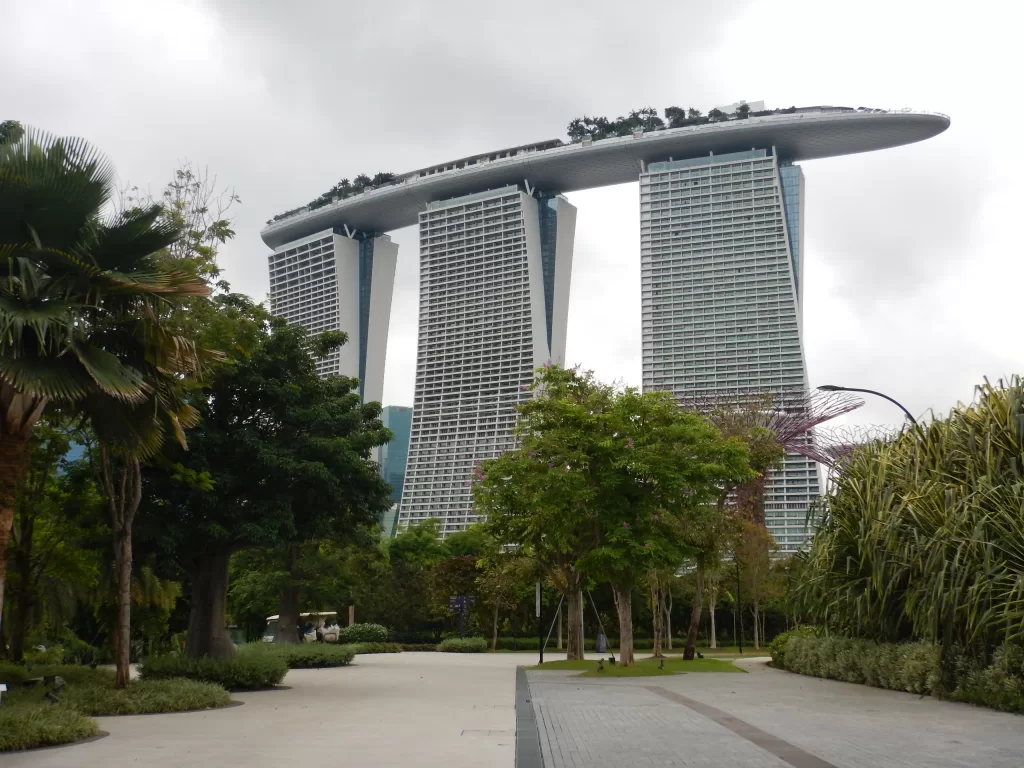
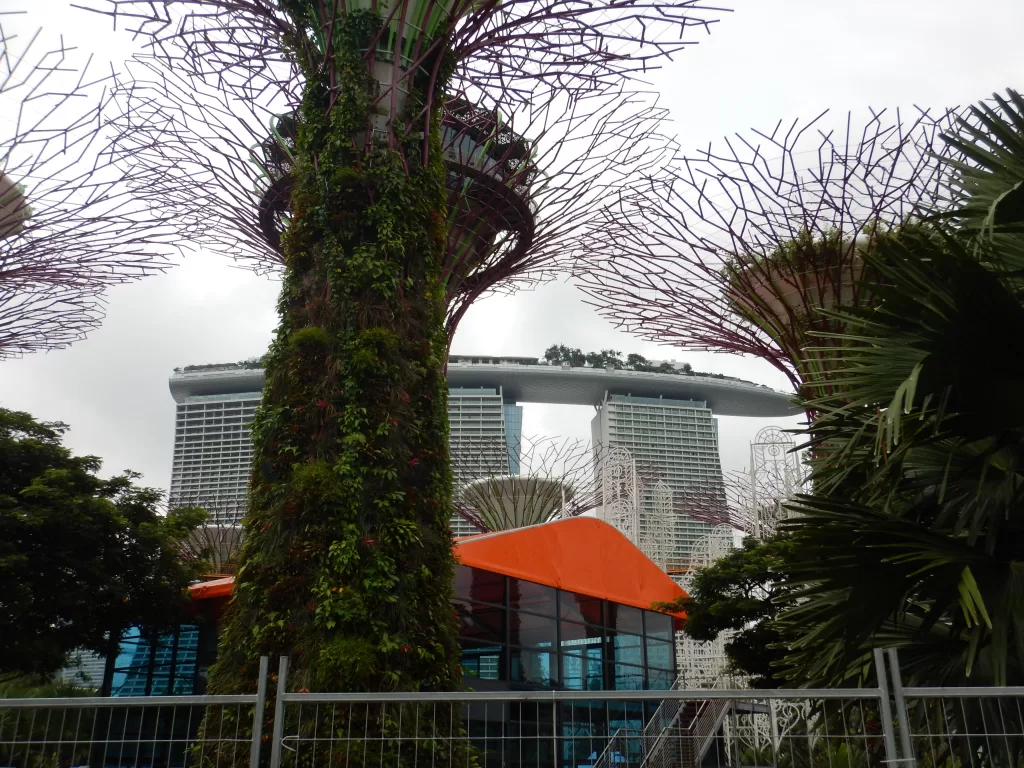
Few landmarks define modern Singapore quite like Marina Bay Sands. Its three towers and rooftop SkyPark have become symbols of the city, and the surrounding waterfront is one of the most rewarding places to explore on a first visit.
The SkyPark Observation Deck offers sweeping views of Marina Bay, the downtown skyline, and Gardens by the Bay. At ground level, you’ll find luxury shopping, restaurants, and waterfront promenades ideal for an evening stroll.
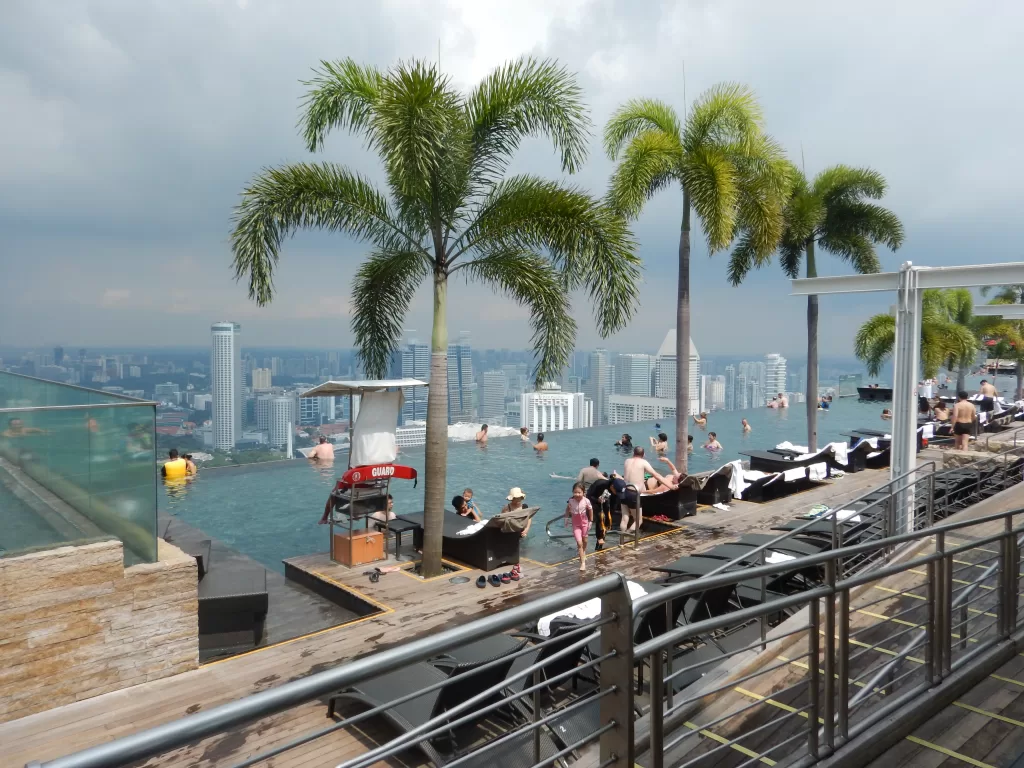
You don’t need to stay at the hotel to appreciate the architecture or enjoy the public areas. However, the famous rooftop infinity pool is reserved for registered hotel guests.
Best for: First-time visitors, couples, skyline photography, and luxury experiences.
Plan your visit: Explore SkyPark tickets and visiting information.
Compare SkyPark ticket options.
2. Gardens by the Bay — Nature Meets Innovation
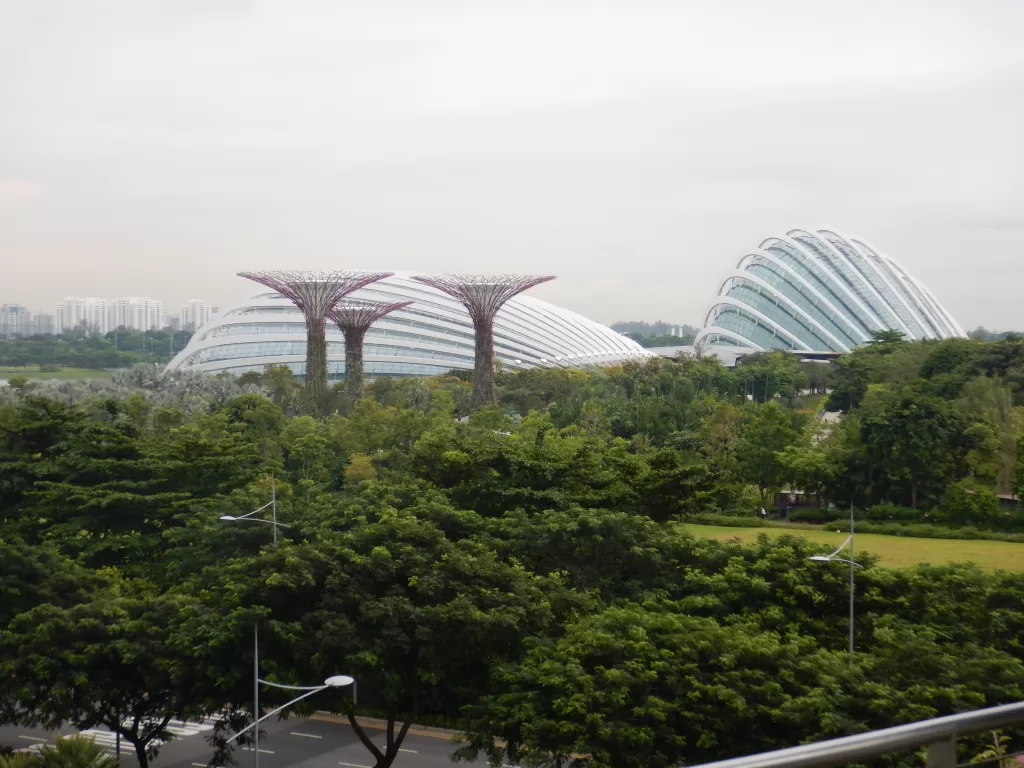
Gardens by the Bay is one of Singapore’s most extraordinary attractions, combining architecture, horticulture, and environmental design.
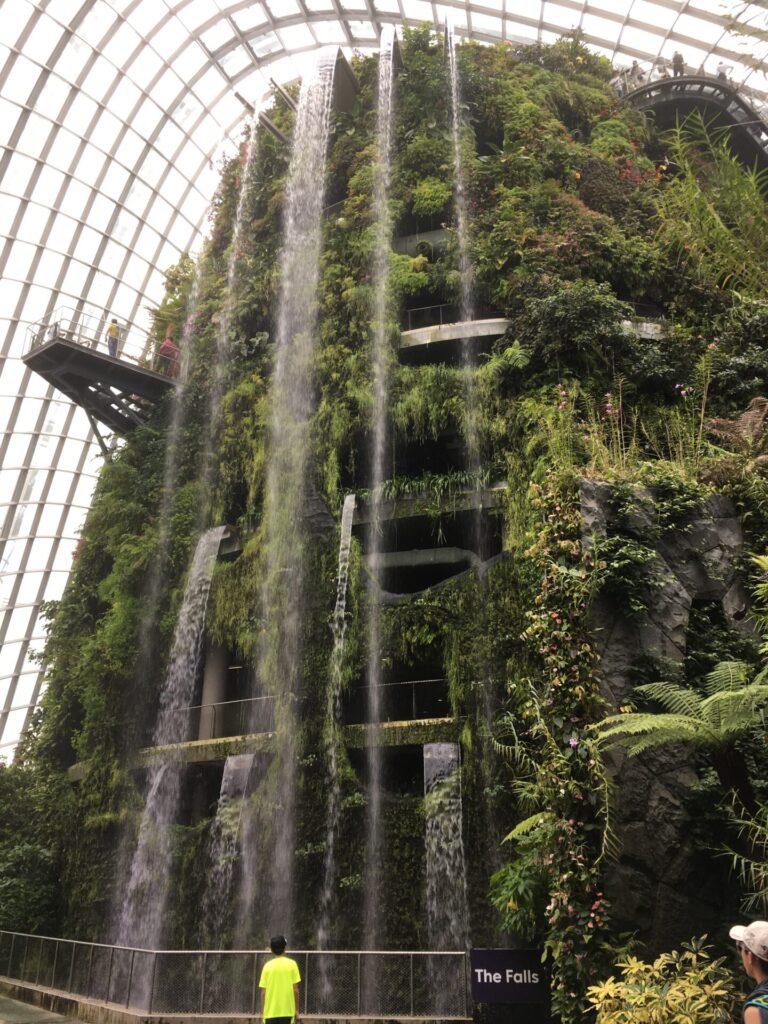
The Flower Dome showcases plants from Mediterranean and other cool-dry climates, while Cloud Forest offers mist-covered vegetation, an indoor waterfall, and dramatic elevated walkways. Both conservatories provide a welcome escape from Singapore’s tropical heat.
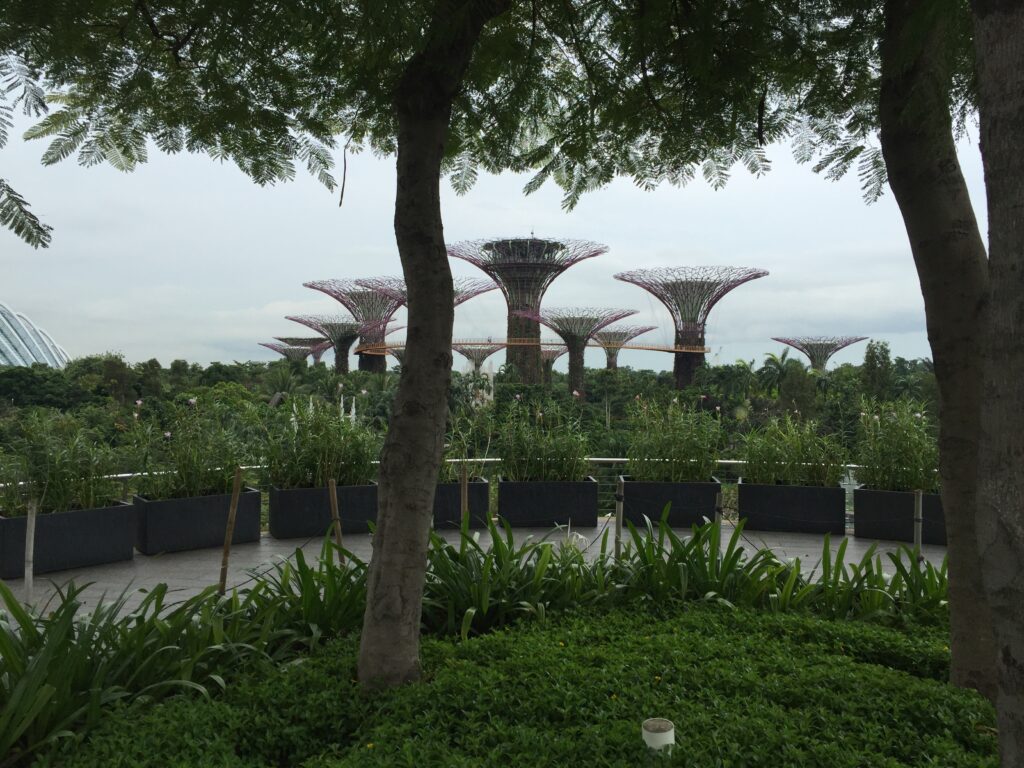
Outside, the Supertree Grove creates a futuristic landscape that is particularly striking after dark. The evening Garden Rhapsody light-and-music show is a favorite experience for visitors of all ages.
Admission to the outdoor gardens is generally free, while the conservatories, OCBC Skyway, and Supertree Observatory require separate tickets.
Best for: Everyone, especially first-time visitors, families, photographers, and garden enthusiasts.
Plan your visit: Explore Gardens by the Bay attractions and tickets.
PLP Tip
Visit around sunset and stay to see the city illuminated. If you’re deciding between the SkyPark and Singapore Flyer, consider choosing just one paid observation experience unless panoramic views are a particular priority.
Also, schedule the cooled conservatories for the afternoon, then return outdoors for the evening Supertree show. Check the official schedule and maintenance closures before your visit.
3. Sentosa Island — Beaches, Family Adventures & Entertainment
Just off Singapore’s southern coast, Sentosa Island offers a different pace from the city center.
It’s home to Universal Studios Singapore, Skyline Luge, beach clubs, family attractions, and several beautiful stretches of sand. Siloso Beach is particularly lively, while Palawan and Tanjong beaches offer alternative settings depending on the experience you’re looking for.
For families, Universal Studios Singapore can easily fill an entire day. Visitors who prefer a more relaxed outing might combine a beach visit with Fort Siloso, a historic coastal defense site.
Best for: Families, theme-park enthusiasts, beach lovers, and travelers with extra time.
PLP Tip: Don’t automatically book every attraction on Sentosa. Choose one main paid experience, then leave time for the beaches and waterfront. For families, this makes the day much more enjoyable.
Plan your visit: Explore Sentosa attractions and Universal Studios Singapore tickets.
Compare Universal Studios Singapore tickets.
Explore More: Read our Singapore Family Travel Guide for additional firsthand family travel recommendations.
4. Singapore Zoo & Night Safari — Unforgettable Wildlife Experiences
Singapore has long been recognized for its thoughtfully designed wildlife experiences, and Singapore Zoo remains one of the city’s most rewarding family attractions.
The zoo is known for its lush, naturalistic habitats, while the Night Safari offers a distinctive opportunity to observe nocturnal animals after dark.
The wider Mandai Wildlife Reserve now includes Bird Paradise, River Wonders, and Rainforest Wild Asia, giving visitors several different wildlife experiences to choose from.
For first-time visitors, Singapore Zoo and Night Safari remain an excellent combination, although doing both in one day requires stamina.
Best for: Families, animal lovers, nature enthusiasts, and repeat visitors.
PLP Tip: If traveling with younger children, consider visiting only one wildlife park per day. The Night Safari is particularly memorable, but it may be tiring after a full day of sightseeing.
Plan your visit: Explore Mandai wildlife parks and ticket options.
5. Chinatown — Temples, Heritage & Some of Singapore’s Best Food
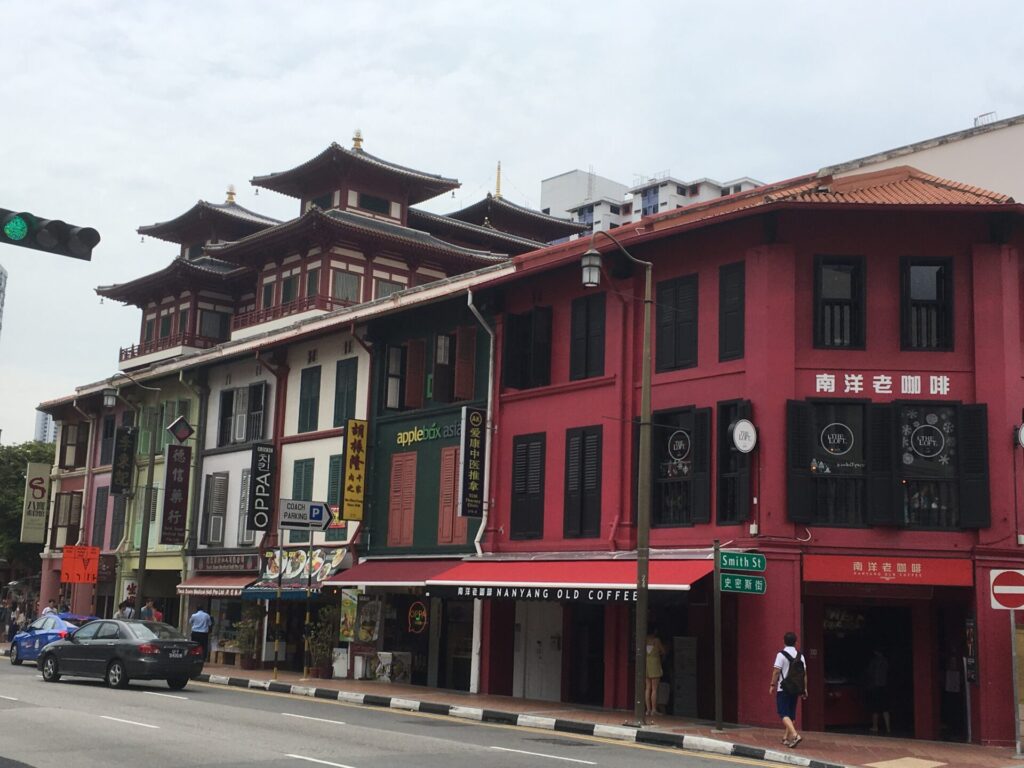
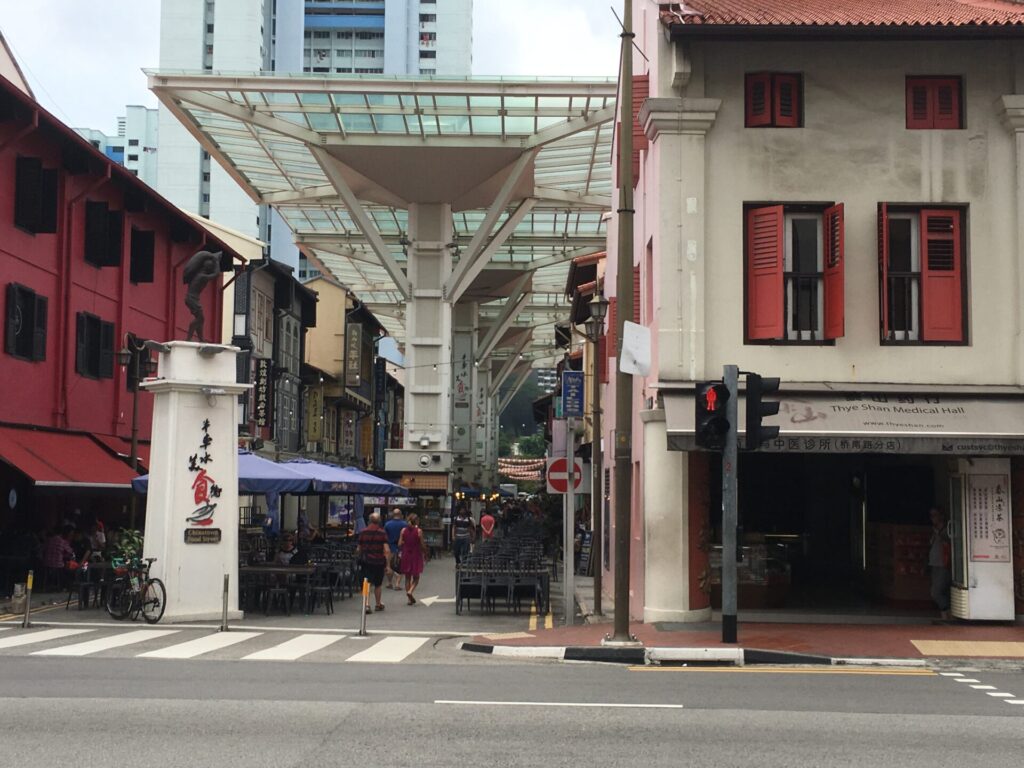
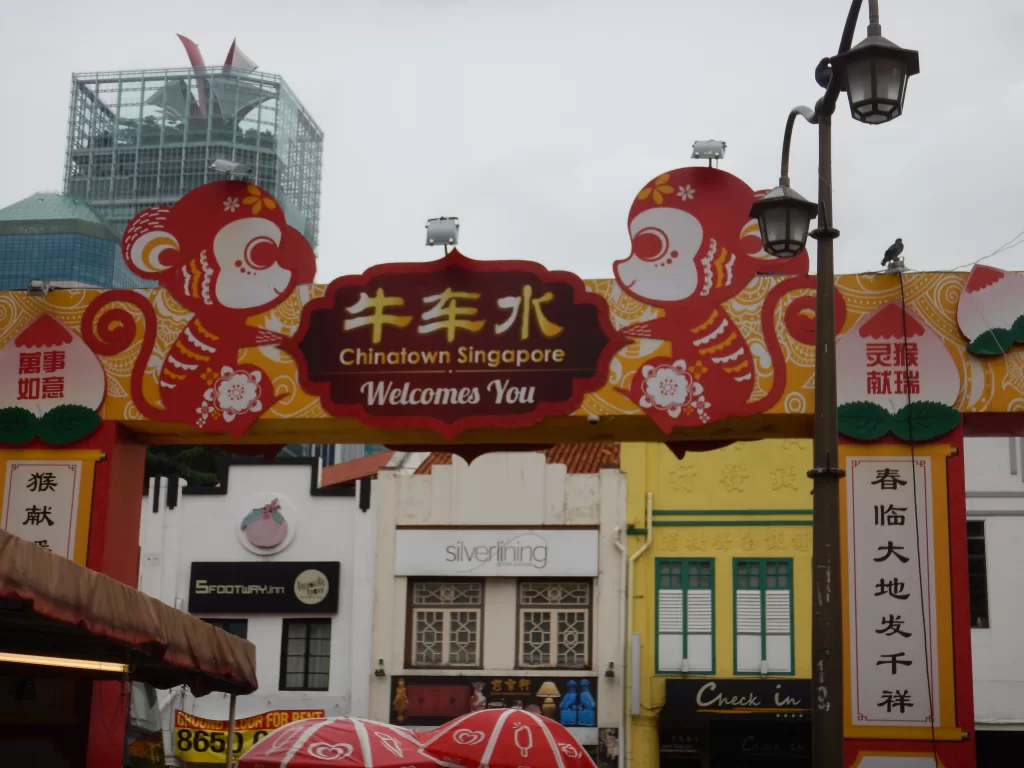
Singapore’s Chinatown is one of the best places to experience the city’s cultural heritage.
Colorful shophouses, historic temples, traditional shops, and lively food stalls sit alongside contemporary cafés and boutique hotels.
Visit the Buddha Tooth Relic Temple, explore the surrounding streets, and make time for Chinatown Complex Food Centre or nearby Maxwell Food Centre.
One of the pleasures of Chinatown is simply wandering. Its streets reveal the layers of Singapore’s history, from early immigrant communities to the modern multicultural city.
Best for: Culture, architecture, food, and first-time visitors.
PLP Tip: Visit in the morning when the streets are more comfortable for walking, then stay for an early lunch at a hawker centre. Bring cash for smaller stalls and dress respectfully when entering temples.
Explore More: Our Singapore Culinary Delights podcast covers dishes worth seeking out during your visit.
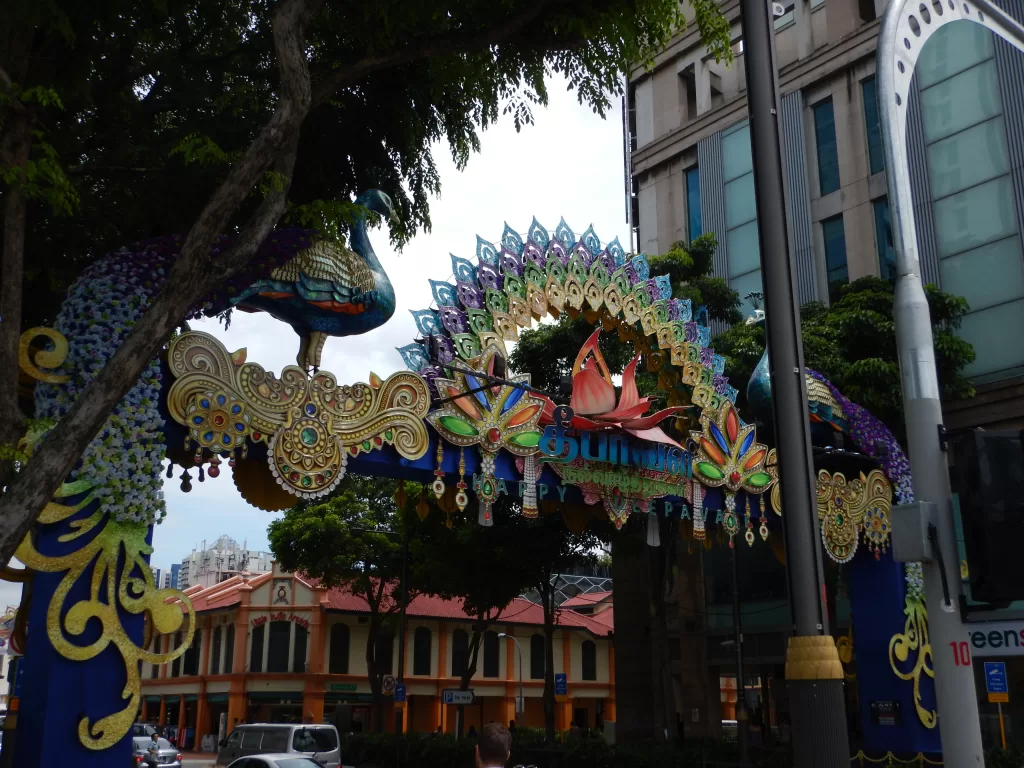
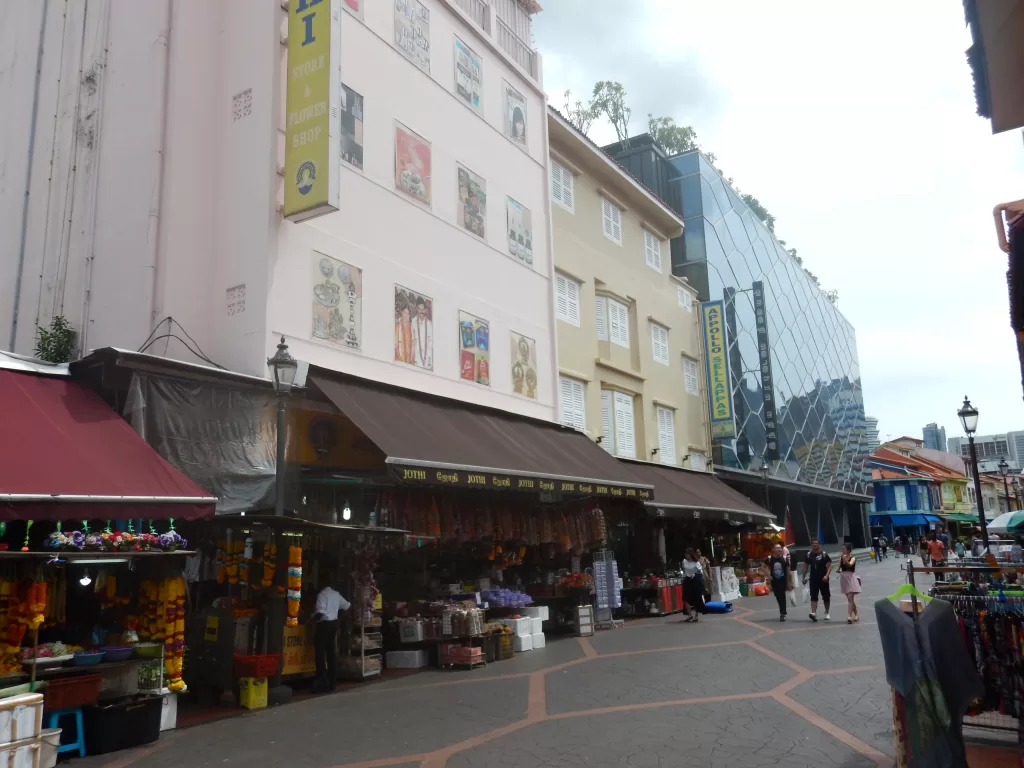
6. Little India — Colorful Streets & Cultural Heritage
Little India is a sensory experience, filled with colorful buildings, flower garlands, spice shops, traditional eateries, and historic places of worship.
Sri Veeramakaliamman Temple is an important landmark, while the surrounding streets provide an opportunity to explore Singapore’s Indian heritage.
Stop for a South Indian meal, browse neighborhood shops, and experience a side of Singapore that feels entirely different from Marina Bay.
Best for: Cultural exploration, photography, food, and independent travelers.
PLP Tip: Combine Little India with Kampong Gelam for a rewarding half-day exploring two culturally distinctive neighborhoods. Both offer far more than a quick photo stop.
7. Clarke Quay — Singapore River Dining & Nightlife
Located along the Singapore River, Clarke Quay is known for its restaurants, nightlife, and colorful waterfront architecture.
The surrounding riverfront is particularly pleasant in the evening, when illuminated buildings reflect across the water and the city’s nightlife begins to unfold.
For a more relaxed experience, walk toward Boat Quay and the historic civic district, or take a Singapore River cruise to appreciate the city from the water.
Best for: Couples, evening outings, nightlife, and waterfront photography.
Plan your visit: Explore Singapore river cruises and guided experiences.
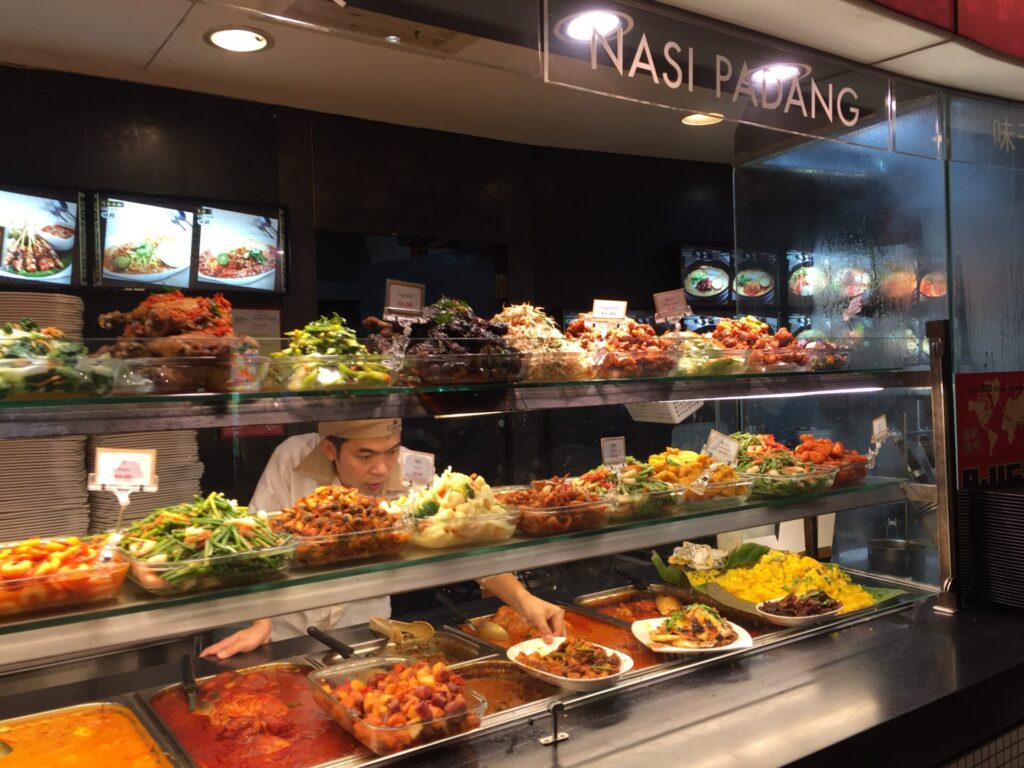
8. Singapore’s Hawker Centres — The Heart of the Food Culture
Singapore’s food culture is one of the strongest reasons to visit, and some of the city’s most memorable meals are found in its hawker centres.
These lively, communal dining spaces bring together Chinese, Malay, Indian, and other culinary traditions, often at prices far below those of conventional restaurants.
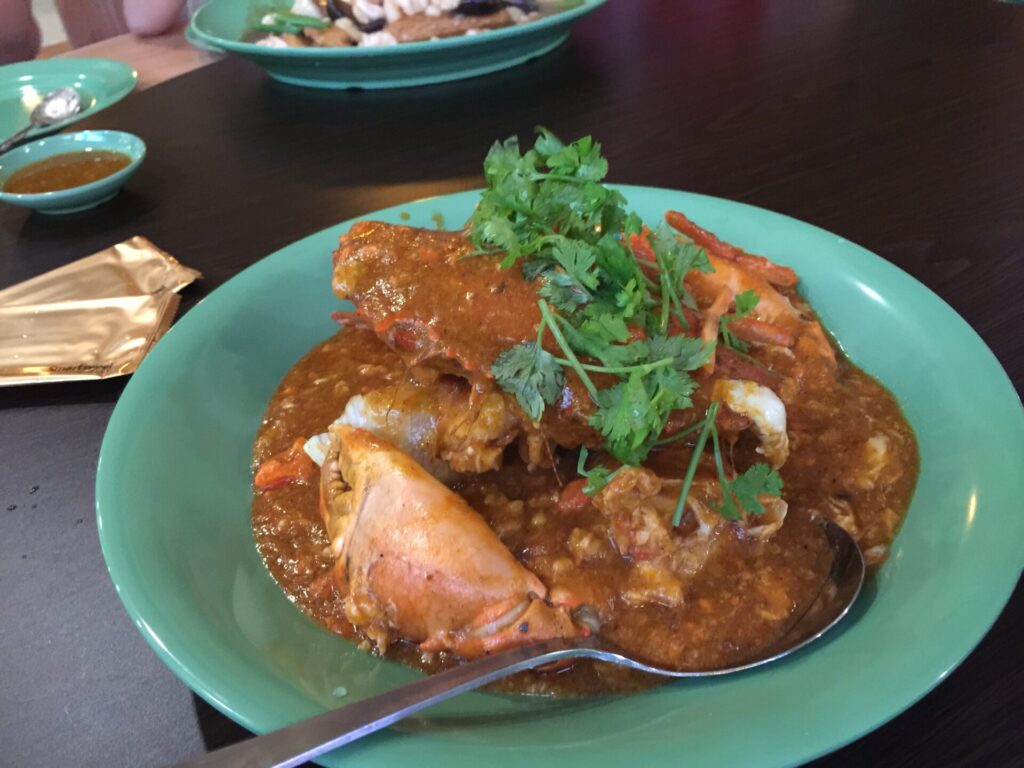
Start with Hainanese chicken rice, laksa, satay, char kway teow, or mee goreng. For seafood, Singapore-style chili crab and black pepper crab are essential experiences for many visitors.
Some of our recommended hawker centres include:
- Maxwell Food Centre: Convenient for Chinatown and a classic introduction to local food.
- Old Airport Road Food Centre: An excellent choice for exploring a wider range of local favorites.
- Tiong Bahru Market: A neighborhood favorite with a distinctive local atmosphere.
- Newton Food Centre: Particularly convenient for visitors staying near Orchard Road.
- Lau Pa Sat: A historic market building in the central business district, known especially for its evening satay atmosphere.
Best for: Everyone, especially food-driven travelers.
For a deeper introduction to Singapore’s culinary culture, listen to our Singapore Culinary Delights episode.
PLP Tip
Don’t choose a stall simply because it has the longest tourist queue. Explore the menus, see what local diners are ordering, and try several smaller dishes rather than committing to just one.
9. Orchard Road — Shopping, Dining & Urban Singapore
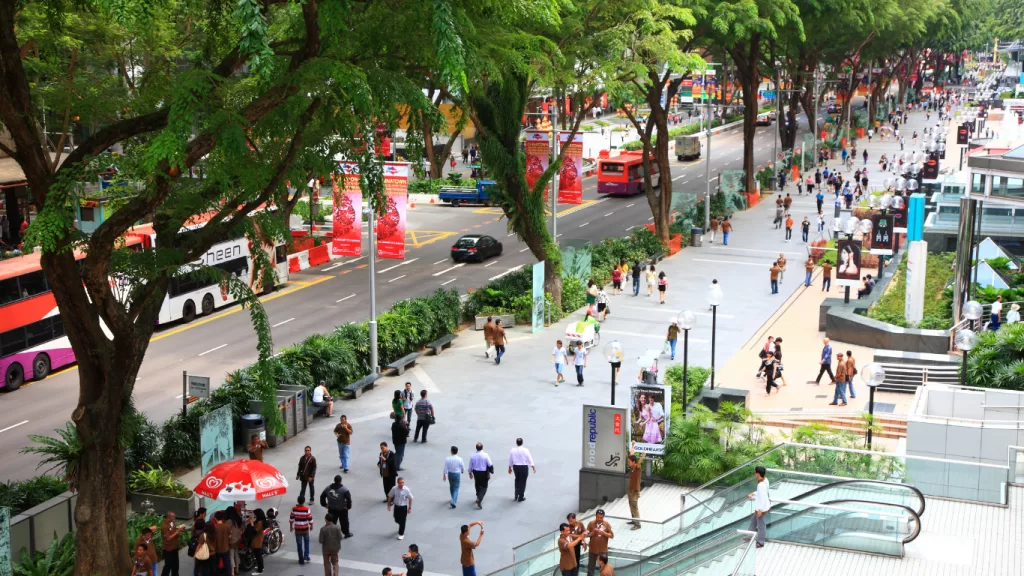
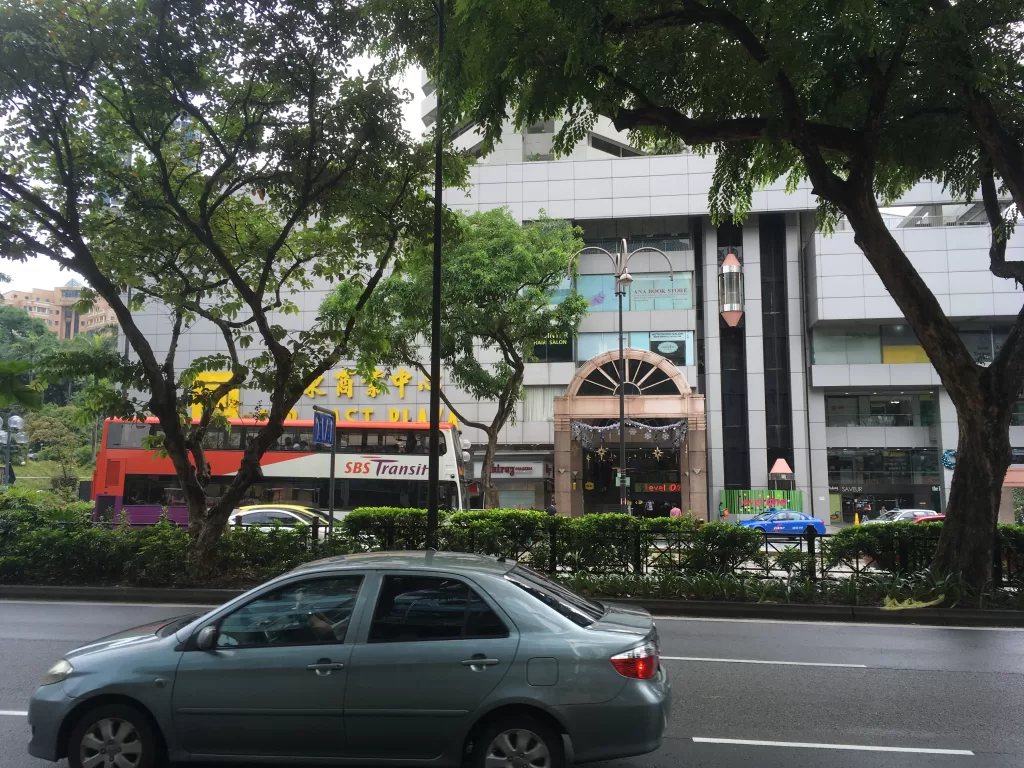
Orchard Road is Singapore’s premier shopping district, with international fashion houses, luxury department stores, restaurants, and modern shopping complexes.
ION Orchard, Ngee Ann City, and Paragon are among the area’s recognizable shopping destinations.
Even if shopping isn’t your priority, Orchard Road offers a look at Singapore’s cosmopolitan lifestyle and plenty of air-conditioned places to escape the midday heat.
Best for: Shopping, dining, luxury hotels, and travelers looking for an easy urban afternoon.
10. Kampong Glam & Haji Lane — Heritage Meets Creativity
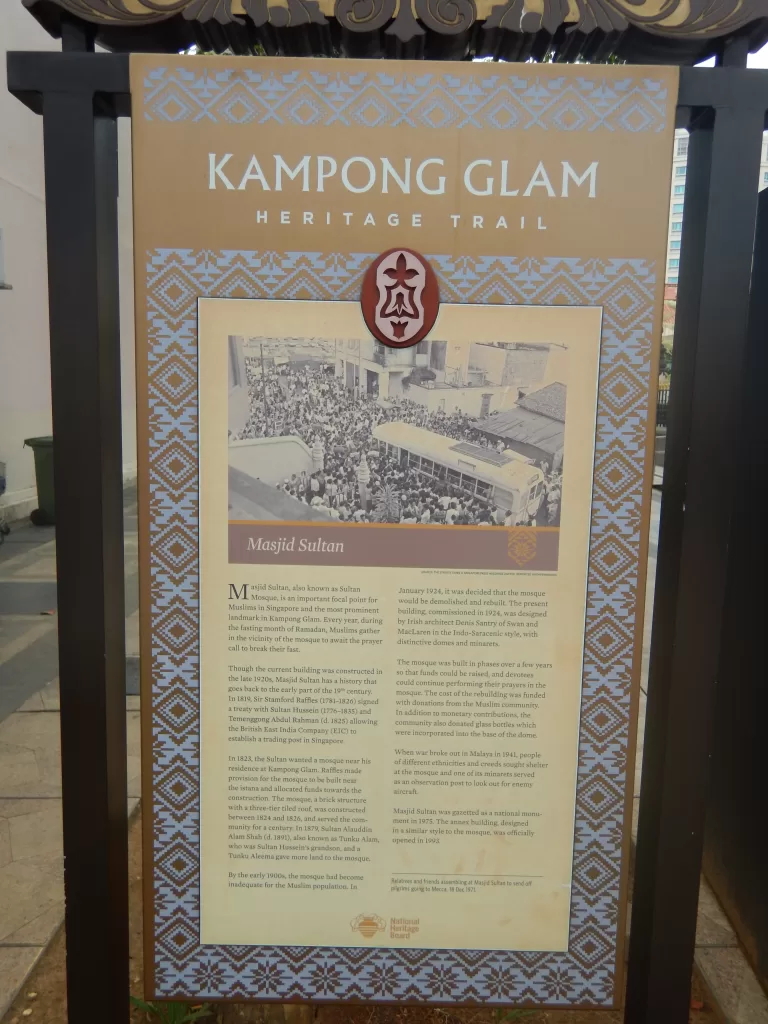
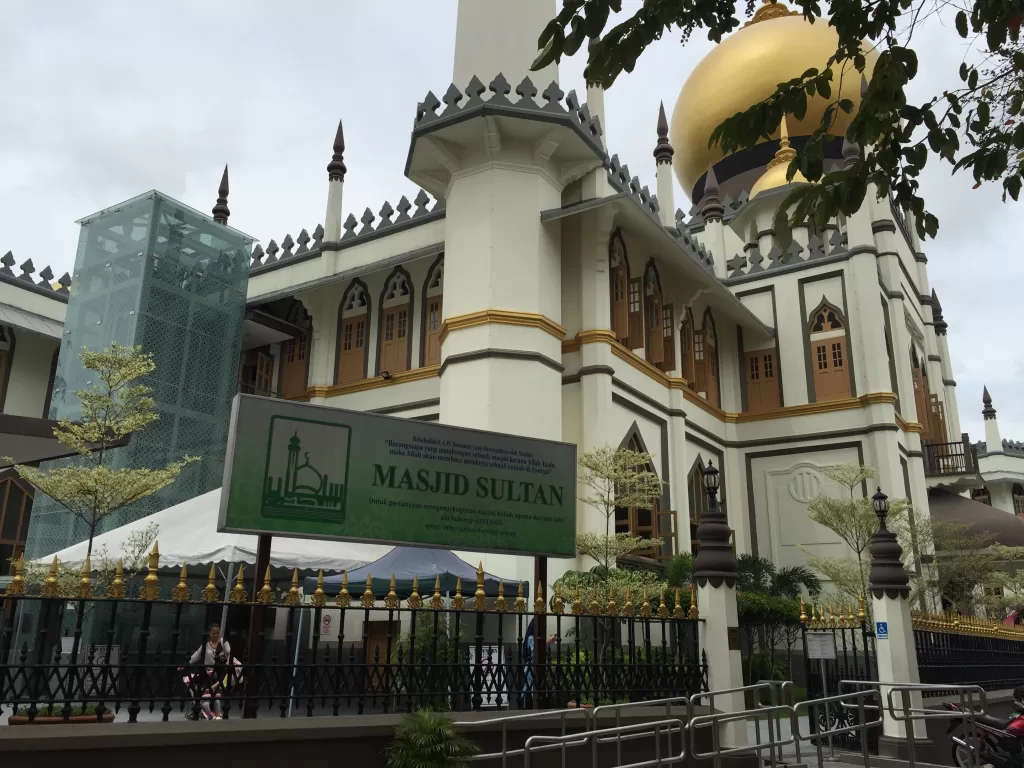
One of Singapore’s most photogenic neighborhoods, Kampong Glam combines Malay and Muslim heritage with independent shops, cafés, and contemporary street culture.
The golden-domed Sultan Mosque is the area’s defining landmark. Nearby Haji Lane is known for its colorful storefronts, murals, and boutique shopping.
Take time to explore Arab Street and the surrounding lanes rather than limiting your visit to the most photographed spots.
Best for: Culture, photography, boutique shopping, and food.
PLP Tip
Visit the Sultan Mosque area before the busiest evening hours, then enjoy Haji Lane when the cafés and shops are active. Respect prayer times and dress requirements when visiting religious sites.
11. Merlion Park — The Classic Singapore Photo Stop
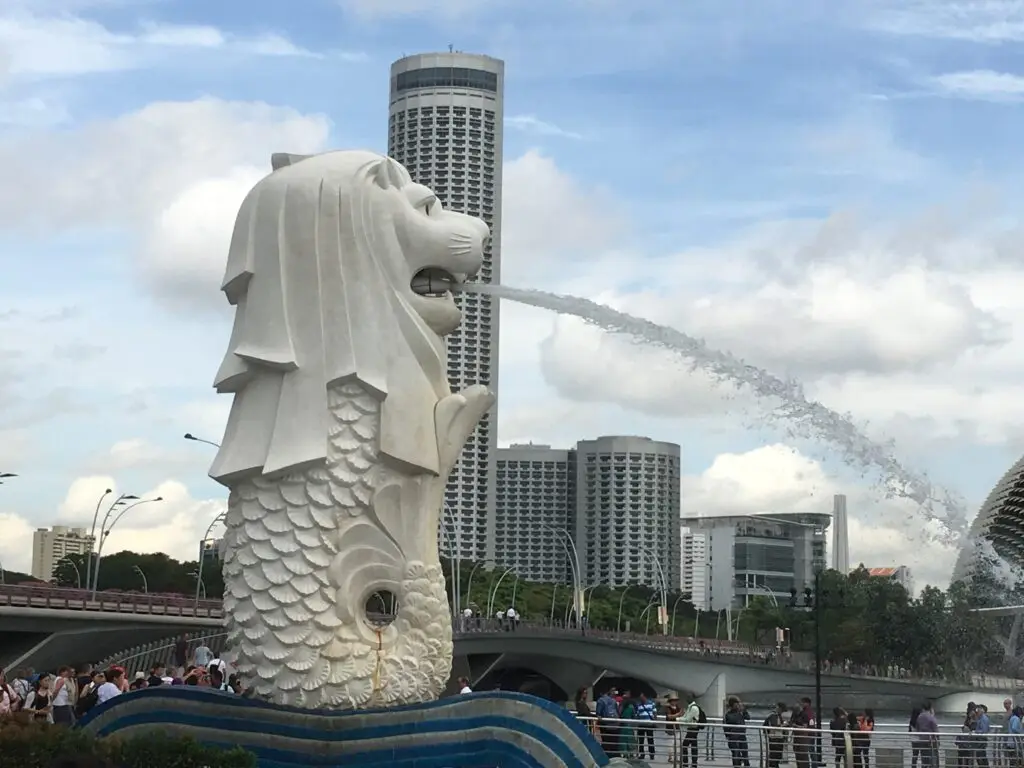
Merlion Park is home to Singapore’s famous Merlion statue, a mythical creature with the head of a lion and the body of a fish.
Overlooking Marina Bay, the waterfront provides one of the city’s most recognizable views.
It’s a classic first-time visitor stop, but the attraction itself is relatively small. The real reward is the surrounding panorama, particularly when paired with a waterfront walk.
Best for: First-time visitors, photography, and short sightseeing stops.
12. Singapore Flyer — A Different Perspective on Marina Bay
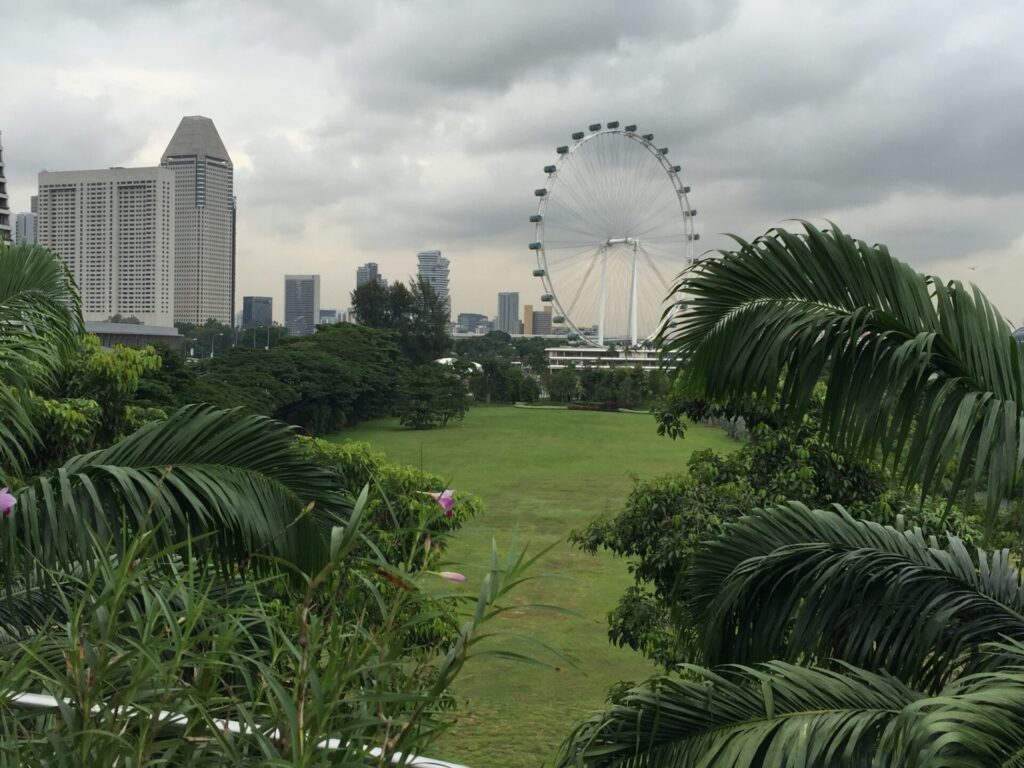
The Singapore Flyer offers panoramic views from a large observation wheel overlooking Marina Bay.
Unlike a conventional observation deck, the Flyer provides a slowly changing perspective as the capsule rises above the city.
It’s particularly appealing for couples, families, and visitors who enjoy skyline photography.
Best for: Panoramic views, families, and special occasions.
Plan your visit: Explore Singapore Flyer tickets.
PLP Tip
If you’ve already booked the Marina Bay Sands SkyPark, the Flyer may feel somewhat repetitive. Choose based on whether you prefer a stationary observation deck or the experience of riding the wheel.
13. East Coast Park — A More Relaxed Side of Singapore
East Coast Park offers a welcome contrast to Singapore’s skyscrapers and shopping districts.
This long coastal park is popular for cycling, walking, outdoor recreation, and casual meals by the water.
It’s also a great place to experience how local residents spend their weekends.
East Coast Lagoon Food Village is a worthwhile stop for local dishes, while the wider East Coast area has long been associated with Singapore’s seafood dining culture.
Best for: Families, cycling, relaxed outdoor time, and repeat visitors.
14. Jewel Changi Airport — An Attraction Worth Arriving Early For
Jewel Changi Airport is far more than a shopping and dining complex.
Its centerpiece, the HSBC Rain Vortex, is a spectacular indoor waterfall surrounded by lush greenery. The Shiseido Forest Valley, shopping galleries, and family attractions make Jewel an enjoyable stop even for travelers who aren’t particularly interested in airports.
Located landside at Changi Airport, Jewel is accessible to visitors who have cleared immigration, although travelers in transit must consider entry requirements and available time.
Best for: Families, architecture lovers, and travelers with time before departure.
Plan your visit: Explore Jewel Changi Airport.
15. Pulau Ubin — Discover Singapore’s Quieter, Rustic Side
For travelers who want to venture beyond the polished city center, Pulau Ubin offers an entirely different experience.
Reached by bumboat from Changi Point Ferry Terminal, this rustic island preserves elements of Singapore’s traditional kampong landscape.
Visitors can explore by bicycle, enjoy quiet forest paths, and discover natural areas including the Chek Jawa Wetlands, subject to access conditions.
It’s a reminder that Singapore’s identity extends far beyond its skyline.
Best for: Nature lovers, cyclists, adventurous families, and repeat visitors.
PLP Tip:
- Allow at least half a day and go prepared for heat, humidity, and limited facilities compared with central Singapore. Pulau Ubin is best enjoyed without a rigid schedule.
- If you’re staying several days, consider spending a late afternoon at East Coast Park followed by a seafood dinner. It’s a different Singapore experience from the typical tourist itinerary.
- Plan Jewel around your arrival or departure rather than making a separate journey if your schedule is tight. Check waterfall operating hours and leave sufficient time for airport check-in and security.
Where to Stay in Singapore: Hotels for Different Travel Styles
Singapore has an excellent selection of hotels, from iconic luxury properties to boutique retreats and family-friendly city stays.
Location matters. Marina Bay is ideal for sightseeing and waterfront views, Orchard Road offers shopping and convenient transport, while Robertson Quay provides a quieter riverside atmosphere.
These are the hotels we would consider for different types of Singapore trips.
Marina Bay Sands — Iconic Luxury
Best for a special-occasion stay, remarkable views, and access to the famous infinity pool. Particularly memorable for a first Singapore visit.
The Fullerton Hotel Singapore — Historic Elegance
A beautifully restored heritage property with a prime waterfront location. Ideal for couples and travelers who appreciate classic architecture.
The Warehouse Hotel — Boutique Design
A distinctive heritage warehouse conversion with a contemporary design aesthetic. A good choice for couples seeking something more intimate.
Shangri-La Singapore — Family-Friendly Luxury
Tropical grounds, family facilities, and a resort-like atmosphere make this appealing for travelers who want a peaceful base.
Singapore Marriott Tang Plaza Hotel — Shopping & Convenience
An excellent central base with immediate access to shopping, restaurants, and Orchard MRT station.
PLP Tip
Don’t assume a Marina Bay hotel is automatically the most convenient choice. Singapore’s MRT makes Orchard Road, City Hall, and other central districts excellent alternatives. For families of five or more, verify actual room occupancy and connecting-room availability before booking.
Where to Eat in Singapore: From Hawker Stalls to Destination Dining
Singapore is one of Asia’s great culinary destinations. The best approach isn’t to choose between inexpensive street food and fine dining — it’s to experience both.
Jumbo Seafood — Singapore’s Famous Chili Crab
Jumbo Seafood is a familiar name for Singapore-style chili crab and black pepper crab.
The East Coast seafood dining experience is particularly enjoyable, although the brand has multiple locations and visitors should confirm which outlet suits their itinerary.
Explore Jumbo Seafood locations and menus.
Burnt Ends — Contemporary Wood-Fired Dining
Burnt Ends offers a contemporary dining experience built around wood-fired cooking.
It’s a strong option for travelers seeking a special dinner beyond Singapore’s traditional local cuisine.
Explore Burnt Ends dining and reservations.
Old Airport Road Food Centre — A Local Food Experience
One of the most rewarding ways to experience Singapore is to visit an established neighborhood hawker centre.
Old Airport Road offers a broad selection of local dishes and a less polished atmosphere than some of the downtown food destinations.
Newton Food Centre — Convenient for Orchard Road Visitors
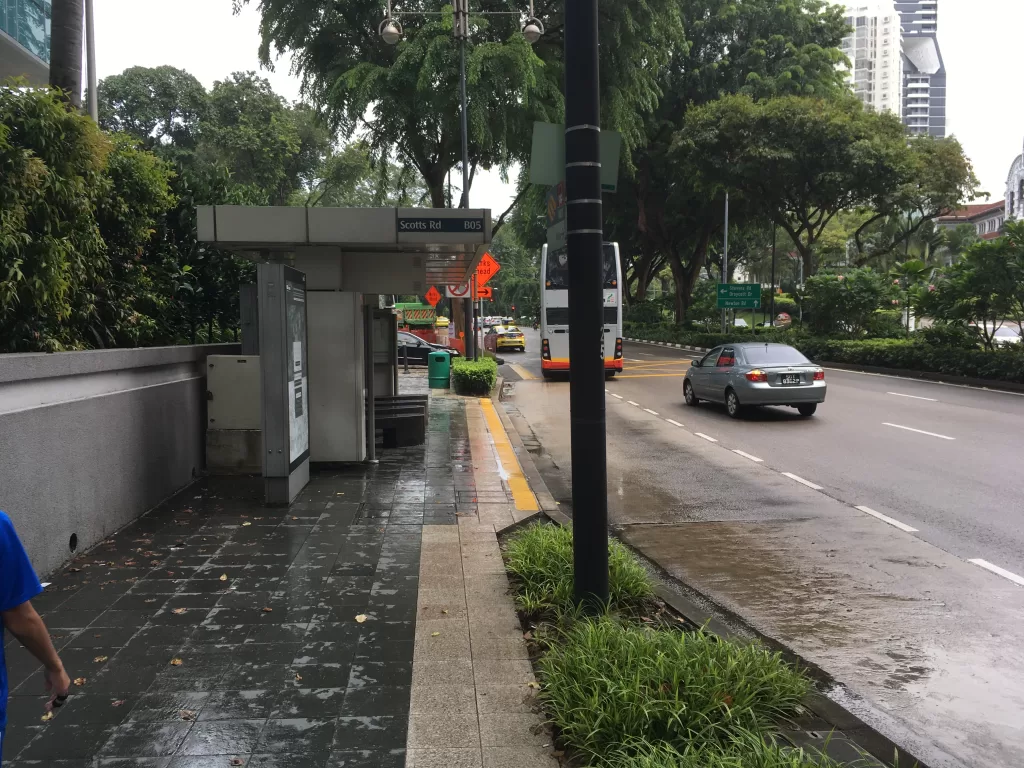
Newton Food Centre is especially convenient for visitors staying around Orchard Road and Scotts Road.
It offers an approachable introduction to Singapore’s hawker culture, with seafood, satay, noodles, and other local dishes.
Explore More: Read our Best Singapore Foods to Try and listen to Singapore Culinary Delights for more culinary inspiration.
PLP Tip
- Ask about crab pricing and weight before ordering, as the total can vary substantially. Order fried mantou buns to enjoy with the chili crab sauce.
- Reservations can be difficult to secure. Check the restaurant’s official booking arrangements before finalizing your travel dates.
- Look for stalls with a strong local following. Some stalls have irregular opening days or sell out early.
- Check displayed prices carefully, particularly for seafood sold by weight. Ask for a clear total before placing your order.
Practical Singapore Travel Tips
Best Time to Visit Singapore
Singapore is warm and humid throughout the year, generally with daytime temperatures around 30–32°C (86–90°F).
Rain is possible in any month. February through April can be comparatively favorable for sightseeing, but this is not a guaranteed dry season. The Northeast Monsoon commonly brings wetter conditions around November through January.
For outdoor attractions, mornings and evenings are often more comfortable than midday.
Singapore Currency & Exchange Rate
Singapore uses the Singapore dollar (SGD).
Reference exchange rate — October 12, 2026:
- US$1 ≈ S$1.28
- S$100 ≈ US$78.06
These are indicative mid-market figures rounded for travel planning, not guaranteed transaction rates. The rounded reference is based on OFX’s October 12, 2026 exchange-rate data.
Credit cards and contactless payments are widely accepted in hotels, shopping malls, and many restaurants. Carrying a little cash is still useful for smaller hawker stalls and neighborhood shops.
For the latest conversion, use this live USD–SGD currency converter.
Getting Around Singapore
Singapore’s MRT network is one of the easiest ways to explore the city. Trains are clean, air-conditioned, and connect many of the main attractions.
Contactless bank cards and supported mobile wallets make public transport convenient for eligible travelers. Taxis and Grab are helpful for families, airport transfers, and trips outside central Singapore.
For most visitors, renting a car is unnecessary.
Entry Requirements
Check passport and visa requirements for your nationality before departure. Travelers entering Singapore generally need to submit the Singapore Arrival Card within three days, including the day of arrival, unless an exemption applies.
The official submission is free and is not a visa.
Use the Singapore Immigration & Checkpoints Authority’s official arrival-card service.
How to Organize Your Singapore Sightseeing
Rather than crossing the city repeatedly, organize your days around neighborhoods and nearby attractions.
| Area | Experiences to Combine |
|---|---|
| Marina Bay | Merlion Park, SkyPark, Gardens by the Bay, Singapore Flyer |
| Historic neighborhoods | Chinatown, Little India, Kampong Gelam |
| Sentosa | Universal Studios or Skyline Luge, beaches, Fort Siloso |
| Mandai | Singapore Zoo, Night Safari, Bird Paradise |
| East Coast | Cycling, coastal walk, local seafood |
| Airport | Jewel Changi Airport before departure |
If you have only two days, focus on Marina Bay, the historic neighborhoods, and food. With three or four days, add Sentosa or Mandai. With five or more days, you can enjoy Pulau Ubin, East Coast Park, and slower neighborhood exploration.
FAQ: Planning Your First Trip to Singapore
Is Singapore worth visiting for first-time travelers to Asia?
Absolutely. Singapore offers an excellent introduction to Southeast Asia, with efficient transportation, a diverse food culture, English widely spoken, and a remarkable mix of modern and historic attractions.
How many days do you need in Singapore?
Three to four days is a comfortable starting point for first-time visitors. Five days or more allows time for Sentosa, Mandai wildlife attractions, and neighborhoods beyond the main tourist circuit.
What are the top three attractions in Singapore?
For most first-time visitors, we’d prioritize Gardens by the Bay, Marina Bay, and Singapore’s historic neighborhoods, particularly Chinatown and Kampong Gelam. We would also make time for at least one memorable hawker-centre meal.
Is Singapore expensive to visit?
Singapore can be expensive for luxury accommodation, cocktails, and premium attractions. However, public transport, hawker-centre dining, and numerous free experiences make it possible to enjoy the city without a luxury budget.
What are the best free things to do in Singapore?
Explore Merlion Park, the outdoor gardens at Gardens by the Bay, Singapore Botanic Gardens, the Southern Ridges, and historic neighborhoods such as Chinatown, Little India, and Kampong Gelam.
Is Singapore suitable for families with children?
Yes. Singapore is particularly appealing for families thanks to its efficient transport, wildlife parks, Sentosa attractions, gardens, and wide range of dining options.
Do I need to book Singapore attractions in advance?
Advance booking is advisable for popular paid attractions such as Universal Studios Singapore, Night Safari, and the Marina Bay Sands SkyPark. Check official booking conditions, opening hours, and cancellation policies before purchasing.
Can you drink tap water in Singapore?
Yes. Singapore’s public tap water is generally safe to drink directly from the tap, making a reusable water bottle useful for sightseeing.
What should I wear in Singapore?
Lightweight, breathable clothing and comfortable walking shoes are ideal. Carry an umbrella for tropical showers and a light layer for heavily air-conditioned indoor spaces. Modest clothing may be required at religious sites.
Is Singapore safe for tourists?
Singapore is generally considered a safe destination for visitors, although normal travel precautions still apply. Travelers should also familiarize themselves with local laws and regulations.
Explore More with Pure Life Podcast
Planning a Singapore vacation? Continue exploring our firsthand travel recommendations, food experiences, and family-friendly guides.
Singapore Family Travel Guide
Discover the attractions, neighborhoods, food, and experiences that make Singapore an excellent family destination.
Best Singapore Foods to Try
A food-focused guide featuring iconic local dishes and firsthand hotel recommendations.
Singapore Culinary Delights — Podcast
Listen to our conversation about the food experiences that make Singapore so memorable.
For more destinations, immersive experiences, and thoughtfully planned vacations, explore the Pure Life Podcast travel collection.
Final Thoughts: Experience Singapore Beyond the Skyline
Singapore is one of those rare destinations where a single day can take you from futuristic architecture to centuries-old traditions, from a beautifully designed garden to a humble hawker stall serving an unforgettable meal.
After living here for a decade, what stays with us isn’t simply the famous landmarks. It’s the neighborhoods, the cultural diversity, the food, and the ease with which Singapore brings so many different experiences together.
Visit the icons, certainly. But give yourself time to discover the Singapore that exists beyond them. That’s where some of the most rewarding memories begin.
Every Journey, Once in a Lifetime.
Some links on Pure Life Podcast are affiliate links. If you book through them, we may earn a small commission at no additional cost to you. We only recommend stays and experiences we genuinely believe are worth considering.