Last updated on May 5th, 2026 at 06:18 pm
Northern California Day Trips Worth Your Time
After more than 30 years living in the Bay Area, these are the day trips we still come back to – places that consistently deliver, whether you’re visiting for the first time or revisiting with a different pace in mind.
Northern California has no shortage of options, but not all of them are worth the detour. These are the ones that balance access, experience, and atmosphere – coastal drives that feel unhurried, wine country that’s actually enjoyable in a day, and towns that reward a slower afternoon.
If you’re short on time, this is where we’d start.
Whether you’re based in San Francisco or planning a longer California trip, each of these can be done comfortably in a day with just enough structure to make planning easy, and enough flexibility to make the experience your own.
Which Northern California Day Trip Is Right for You?
- For wine and food: Napa Valley, Sonoma
- For coastal scenery: Carmel, Monterey, Half Moon Bay
- For nature and fresh air: Muir Woods, Russian River
- For a classic family day: Santa Cruz
- For something slower-paced: Sausalito
- For a quieter wine country: Livermore
If you’re choosing just one, it’s less about distance and more about how you want to spend the day.
If you prefer drive-based travel, Northern California also fits well into a broader road trip itinerary: Tampa → LA Road Trip
Table of Contents
1. San Francisco
Why it’s worth your time:
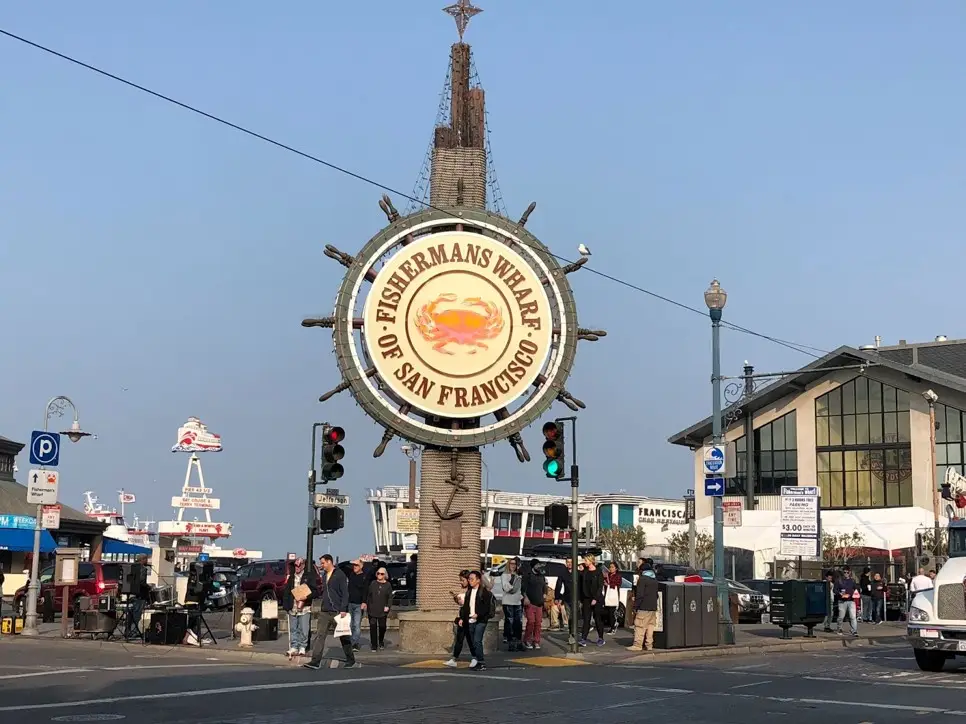
For a first-time visit or even a return one, San Francisco offers a rare mix of landmarks, neighborhoods, and food that can all be experienced in a single, well-paced day.
Getting there
San Francisco is about 13 miles from San Francisco International Airport, making it one of the easiest day trips to access. Whether you’re flying in or already based nearby, you can be in the city and exploring within 30–40 minutes.
What to do (without overplanning)
Start with the Golden Gate Bridge – walk or bike across for the views, or simply take it in from one of the nearby lookout points.
From there, head toward Fisherman’s Wharf and Pier 39 for a classic waterfront stop – sea lions, casual seafood, and an easy place to spend an hour without needing a plan.
If you prefer something more cultural, spend time at San Francisco Museum of Modern Art or wander through Chinatown, which is one of the most established and atmospheric in the U.S.
And if it’s your first visit, riding the historic cable cars is still one of the simplest ways to experience the city’s layout and hills without overthinking the route.
Best time to visit
Spring (March–May) and fall (September–November) tend to be the most comfortable – milder weather, fewer crowds, and better visibility.
Summer is popular but often brings the city’s well-known fog, especially near the coast. It’s part of the experience, but worth planning around if views are a priority.
Getting around
From the airport, Bay Area Rapid Transit (BART) is the most efficient way into the city. Once you’re there, most neighborhoods are easy to explore on foot, with Muni buses and cable cars filling in the gaps.
If you’re only here for the day, keeping your route simple – one or two neighborhoods at most makes the experience far more enjoyable.
Browse top-rated San Francisco experiences
2. Muir Woods National Monument
Why it’s worth your time:
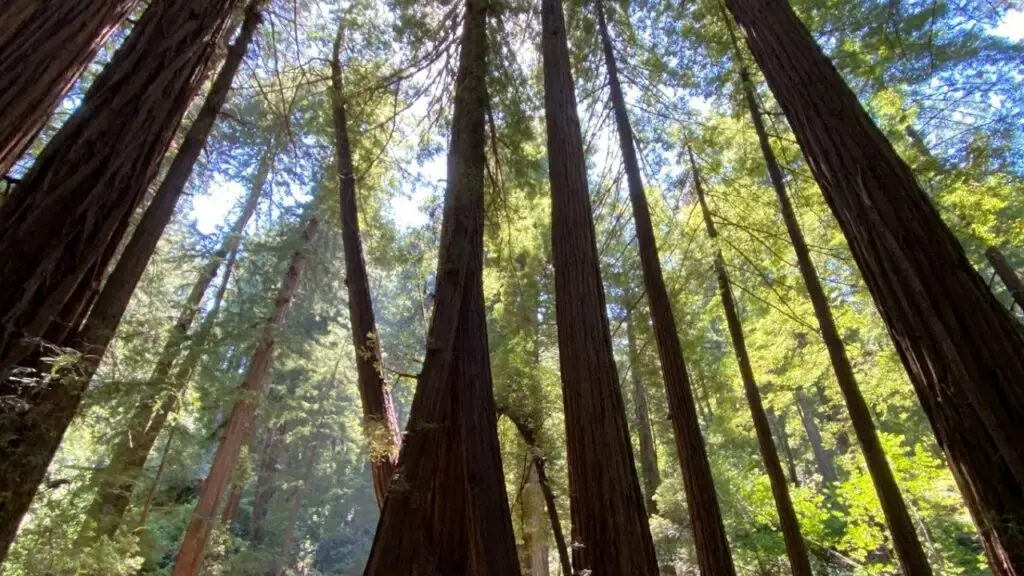
If you’re looking for something grounding and easy to fit into a day, Muir Woods offers a quiet contrast to the city – towering redwoods, shaded trails, and a slower pace just under an hour away.
Getting there
Muir Woods National Monument is about a 45-minute drive from San Francisco. Because parking is limited and requires advance reservations, many visitors opt for a shuttle or guided experience to simplify the logistics.
What to do (without overplanning)
The main trail loop through the redwoods is well-marked and easy to follow, making it accessible for most visitors without needing a detailed plan.
You can keep it simple – walk the valley floor beneath the trees or extend your time with one of the connecting trails if you want a bit more elevation and fewer people.
It’s less about covering distance here, and more about slowing down and taking in the scale of the forest.
Best Time to visit: The park is accessible year-round, with spring and fall being the best times to visit for fewer crowds and mild temperatures. Early mornings are the quietest. Midday, especially in summer and on weekends, can get busy.
Getting around
Driving is the most direct option, but requires a reserved parking time. Alternatively, shuttle services and guided tours from San Francisco remove that step entirely and tend to make the day easier to manage.
If you’re combining nature with a longer itinerary, this pairs well with a Yosemite-style weekend: Yosemite Weekend Itinerary
3. Napa Valley
Why it’s worth your time:
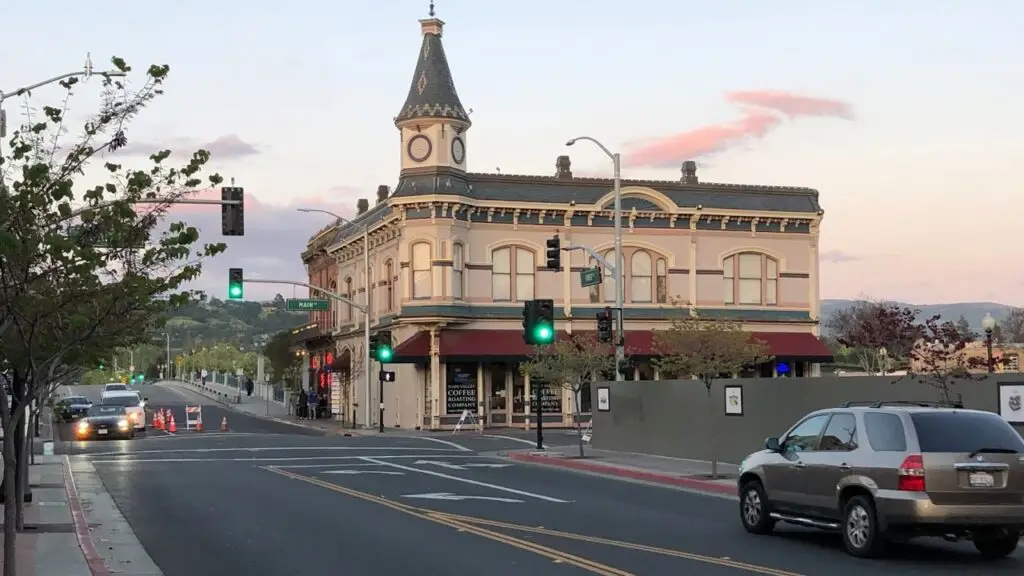
Napa is one of the easiest ways to shift into a slower pace – vineyards, good food, and a setting that feels distinctly California without requiring much planning.
Getting there
Napa Valley is about a 1.5-hour drive from San Francisco, depending on traffic. It’s close enough for a day trip, but feels like a complete change of pace once you arrive.
What to do (without overplanning)
Rather than trying to fit in too many stops, focus on two to three wineries and leave time for a relaxed lunch.
A typical day might include a late-morning tasting, followed by lunch at a winery or nearby restaurant, and one or two additional tastings in the afternoon. Many wineries require reservations, so having a loose plan in place makes the day significantly smoother.
If you prefer something more structured, guided wine tours can take care of transportation and timing, allowing you to enjoy the experience without needing to map it out yourself.
Best time to visit
Napa is enjoyable year-round, but spring and fall tend to be the most rewarding.
Spring brings green vineyards and fewer crowds, while fall (harvest season) offers warm weather and a more energetic atmosphere across the valley. Summer is popular but busier, and winter is quieter, with cooler temperatures and occasional rain.
Getting around
Driving gives you the most flexibility, but it also requires careful planning between tastings.
For a more relaxed experience, many visitors opt for a guided wine tour with transportation included especially if it’s your first visit or you’d prefer not to coordinate reservations and routes throughout the day.
Browse Napa Valley wine tours and tastings
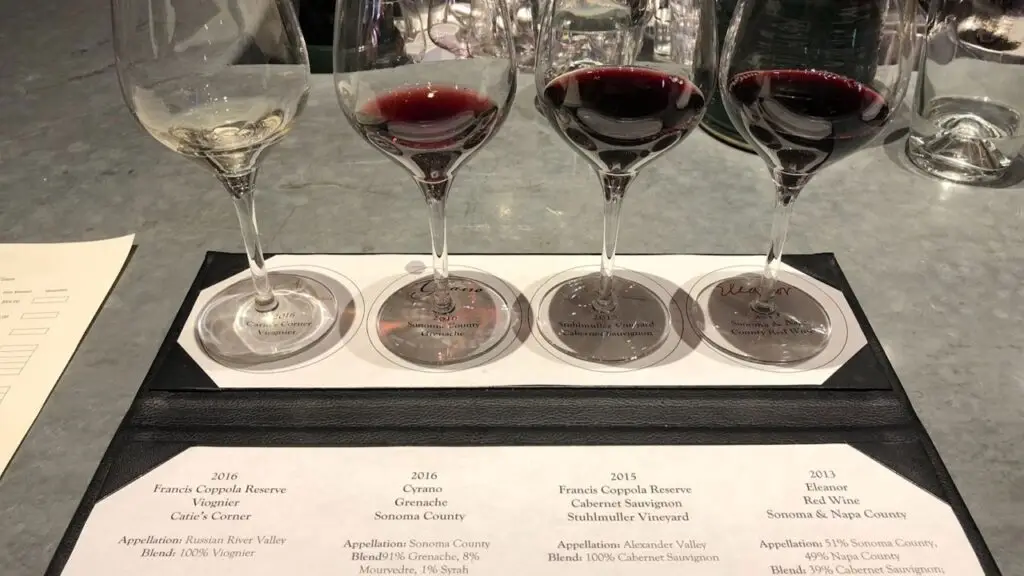
Some of our favorite winery recommendations are:
- Opus One Winery – Indulge in world-class Bordeaux-style blends and marvel at the winery’s stunning architecture and picturesque vineyard views.
- Robert Mondavi Winery – Explore the legacy of Napa’s winemaking pioneer with a selection of exceptional wines and immersive tours.
- Silver Oak Cellars – Savor elegant Cabernet Sauvignons in a serene setting that reflects the winery’s dedication to quality.
- Stag’s Leap Wine Cellars – Relish in award-winning Cabernet Sauvignon and explore the rich history of this iconic winery.
- Domain Carneros – Experience premium sparkling wines and stunning views from a château that blends French elegance with Napa’s charm.
- V. Sattui Winery – Family-owned estate known for its charming picnic grounds, diverse wine selection, and artisan deli, offering a quintessential wine country experience.
We’ve shared more of our go-to wineries and tasting strategies in our Napa Valley guide: Exploring the Best Wineries in Napa
Book your Northnern California day trip to Napa here
4. Sausalito
Why it’s worth your time:
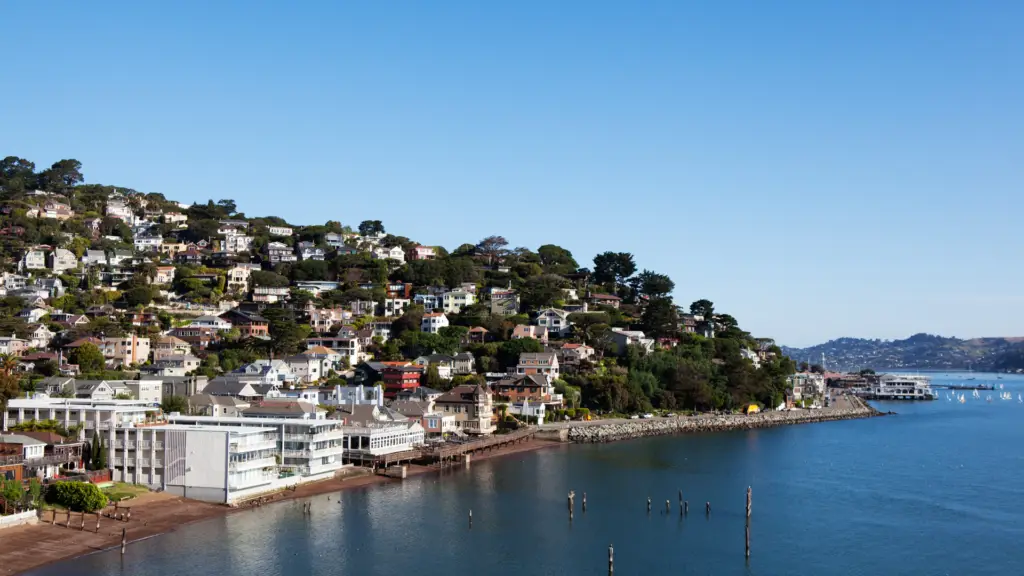
Sausalito is one of the easiest ways to step out of the city without really going far – waterfront views, a slower pace, and just enough to fill a relaxed afternoon.
Getting there
Sausalito is just 30 minutes from San Francisco. The most enjoyable way to arrive is by ferry from the San Francisco Ferry Building, which adds a scenic start (and end) to the day.
What to do (without overplanning)
Start with a walk along the waterfront – this is where most of Sausalito naturally unfolds.
From there, it’s easy to move between small galleries, local shops, and cafés without needing a set itinerary. Many visitors plan around a long lunch or early dinner overlooking the bay, then take their time exploring the area before heading back.
It’s less about checking off sights and more about settling into the pace of the town for a few hours.
Best time to visit
Spring through early fall tends to be the most enjoyable, with clearer skies and warmer temperatures.
That said, Sausalito can be a good option year-round, especially when San Francisco is foggy – the weather is often noticeably better just across the bridge.
Getting around
Sausalito is compact and best explored on foot once you arrive.
Ferries run regularly between San Francisco and Sausalito, making it a simple, car-free option. Driving is also straightforward, but parking can be limited on busy weekends.
5. Sonoma
Why it’s worth your time:
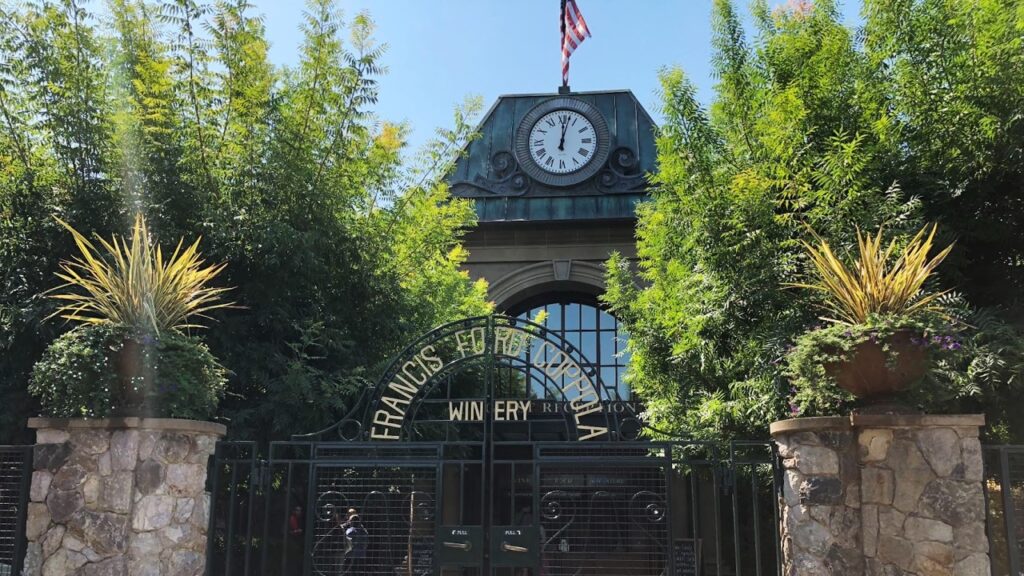
Sonoma offers a quieter, more relaxed take on wine country – less polished than Napa in places, but often more approachable, with a pace that’s easier to settle into for the day.
Getting there
Sonoma County is about 1 hour and 15 minutes from San Francisco. Like Napa, it’s close enough for a comfortable day trip, but with a slightly more spread-out, less commercial feel.
What to do (without overplanning)
Most visits center around the Sonoma Plaza – a walkable area surrounded by tasting rooms, shops, and restaurants.
Plan for one or two winery visits, then leave time to enjoy lunch near the plaza or at a winery with outdoor seating. Sonoma lends itself to a slower rhythm, where the experience feels less scheduled and more open-ended.
If you’re deciding between Napa and Sonoma, this is often the better choice if you prefer something a bit more low-key.
Best time to visit
Spring and fall offer the best balance of weather and crowd levels.
Summer is warm and popular, while winter is quieter, with cooler temperatures and occasional rain but still very manageable for a relaxed day trip.
Getting around
Driving is the most straightforward way to explore Sonoma, especially since wineries are more spread out.
For a more relaxed experience, guided wine tours with transportation are a good option – particularly if you’d rather not plan routes or manage reservations throughout the day.
6. Santa Cruz
Why it’s worth your time:
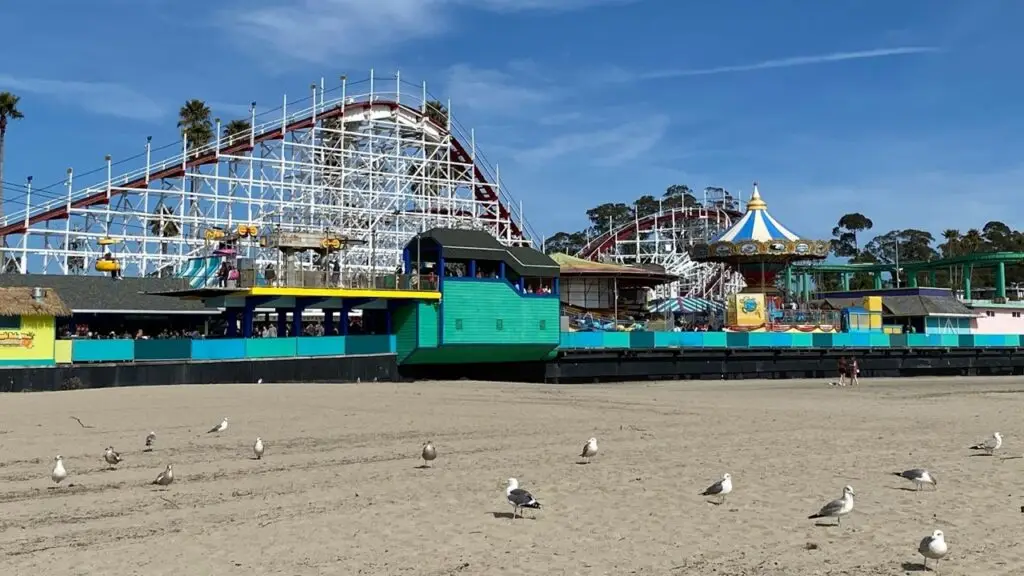
Santa Cruz is an easy, feel-good coastal day – beach, boardwalk, and just enough activity to keep it fun without needing much planning.
Getting there
Santa Cruz is about 1.5 hours from San Francisco, with a straightforward drive that takes you from city to coastline fairly quickly.
What to do (without overplanning)
Most visitors head straight to the Santa Cruz Beach Boardwalk – a classic stop with rides, ocean views, and an easygoing atmosphere.
From there, you can spend time on the beach, walk along the coast, or find a casual spot for lunch or early dinner nearby. If you’re interested in surfing, Santa Cruz is one of the more accessible places to watch or try it for yourself.
It’s the kind of place where you don’t need a full itinerary, just a few hours and a flexible plan.
Best time to visit
Spring through early fall offers the best weather for beach time.
Summer is the busiest, while spring and early fall tend to be a bit more relaxed with similar temperatures.
Getting around
Driving is the easiest way to reach Santa Cruz and explore the surrounding areas.
Once you’re there, most of the main attractions – especially around the boardwalk and beach are walkable.
Browse Santa Cruz activities and coastal experiences
7. Half Moon Bay
Why it’s worth your time:
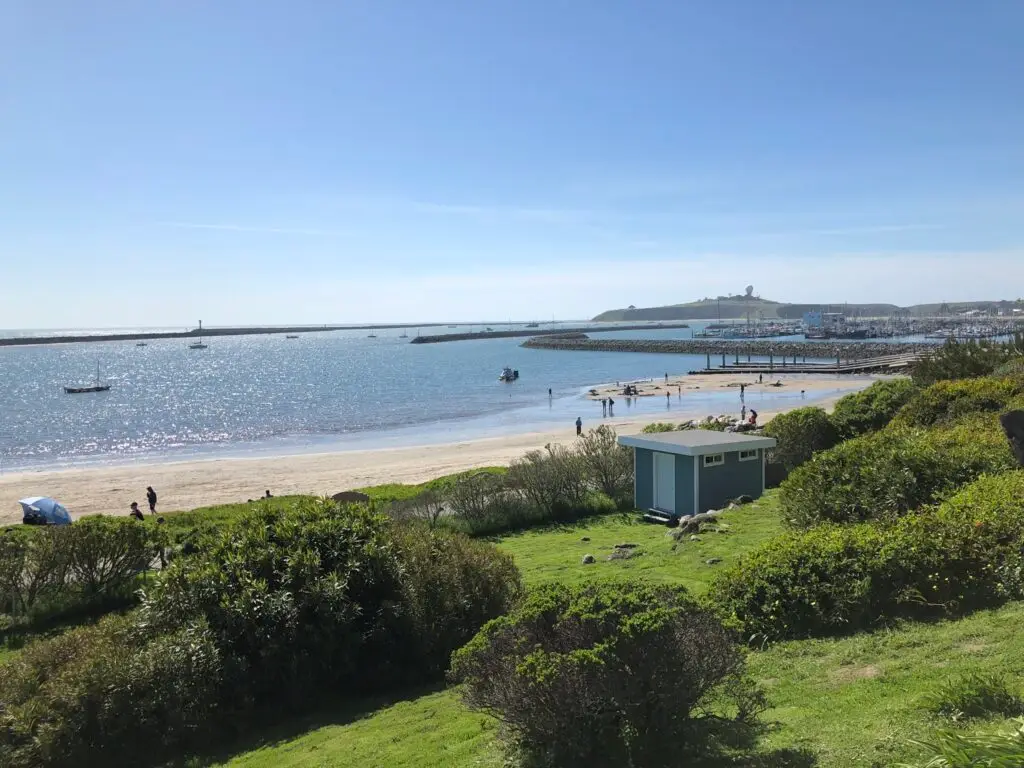
Half Moon Bay is one of the simplest ways to reset the pace – coastal views, open space, and just enough to fill a relaxed half or full day without overplanning.
Getting there
Half Moon Bay is just a 45-minute drive from San Francisco, making it one of the most accessible coastal escapes along Highway 1.
What to do (without overplanning)
Start with the coastline – this is where most of the experience naturally unfolds.
Walk along the coastal bluffs, spend time on the beach, or simply take in the views along the shoreline. From there, it’s easy to add a casual seafood lunch or early dinner at one of the local spots nearby.
It’s less about a set itinerary and more about giving yourself time to enjoy the setting.
Best time to visit
Half Moon Bay is accessible year-round, but spring and fall tend to offer the most comfortable conditions.
Fog is common especially in summer – and temperatures can feel cooler than inland areas. Bringing layers is part of the experience here, regardless of the season.
Getting around
Driving is the easiest way to reach Half Moon Bay and explore the surrounding coastline.
The route along Highway 1 is part of the experience, with scenic stretches that are worth taking your time on. Public transportation is limited, so having a car allows for a more flexible and enjoyable day.
Explore coastal experiences and scenic stops near Half Moon Bay
8. Monterey
Why it’s worth your time:
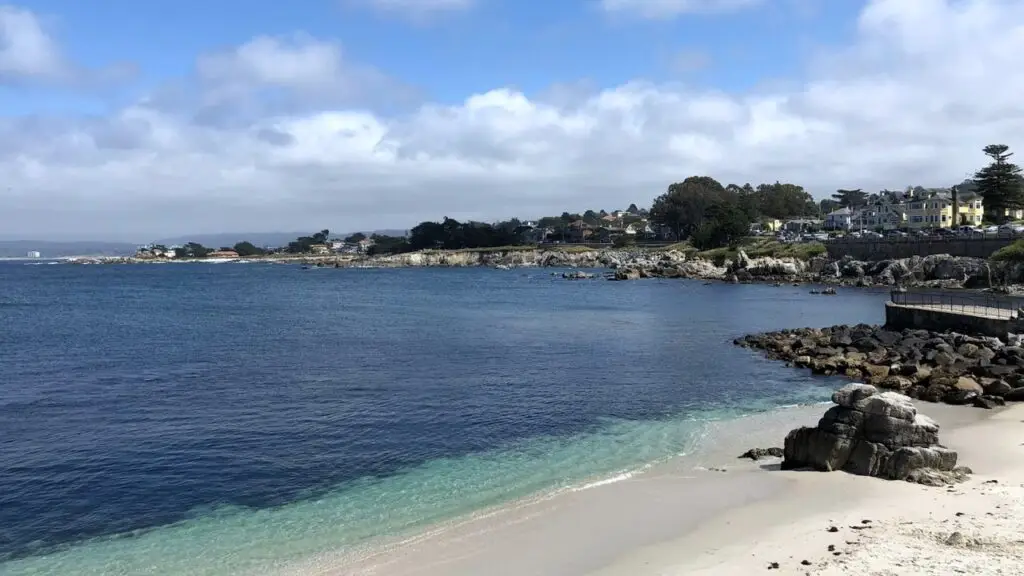
Monterey brings together coastline, marine life, and a walkable waterfront in a way that’s easy to enjoy in a single day – especially if you want a mix of scenery and activity without overplanning.
Getting there
Monterey is about a 2.5-hour drive from San Francisco. The route – especially if you take stretches of Highway 1 is part of the experience, with coastal views that are worth building into your day.
What to do (without overplanning)
Start at the Monterey Bay Aquarium – it’s one of the most well-known aquariums in the world and an easy way to anchor your day, especially if you’re traveling with family.
From there, everything naturally flows along Cannery Row – a walkable stretch with shops, casual restaurants, and spots to stop for coffee or something sweet along the way.
You can keep it simple: aquarium, waterfront walk, lunch with a view, and time to explore at your own pace. If you have extra time, consider adding a short drive along the coast for even more scenic views.
Best time to visit
Spring and fall offer the best balance of weather and crowd levels.
Summer is popular and lively, while winter is quieter and still very manageable, with occasional cooler days.
Getting around
Driving is the most flexible option, especially if you plan to include coastal viewpoints along the way.
Once you’re in Monterey, the main areas – Cannery Row, the aquarium, and nearby waterfront are all easily walkable, making it simple to explore without needing to move your car frequently.
Check Monterey Bay Aquarium tickets and coastal experiences
9. Carmel-by-the-Sea
Why it’s worth your time:
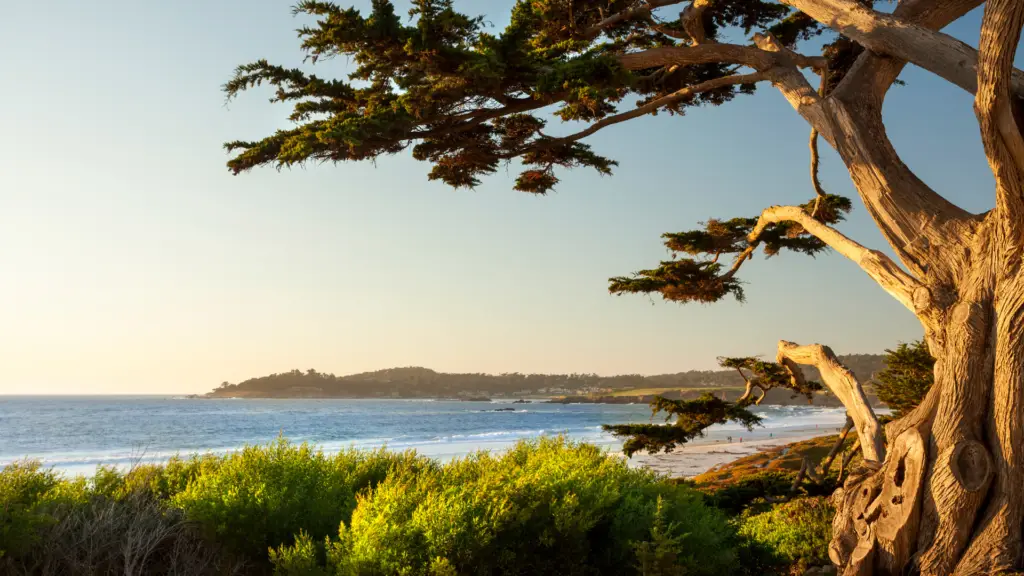
Carmel feels intentionally unpolished – in the best way. It’s a place where you can slow down, walk without a plan, and let the mix of coastline, small streets, and understated detail shape the day.
Getting there
Carmel-by-the-Sea is about 2.5 hours from San Francisco, often paired with a visit to Monterey just up the coast. The drive – especially along Highway 1 is part of the experience, with stretches that are worth taking slowly.
What to do (without overplanning)
Start in the village itself. Carmel is best explored on foot, with small streets lined with boutiques, galleries, and tucked-away courtyards.
From there, make your way down to Carmel Beach for a walk along the shoreline. The beach is wide, open, and often quieter than expected, especially outside peak hours.
Plan around a relaxed lunch or early dinner – this is one of those places where lingering a bit longer tends to be the highlight rather than moving between stops.
Best time to visit
Carmel is a year-round destination, but spring and fall tend to offer the best balance of weather and fewer visitors.
Even in summer, coastal conditions can shift quickly, and evenings are often cooler – bringing layers is part of the experience here.
Getting around
Driving is the most practical way to reach Carmel, especially if you’re combining it with Monterey or nearby coastal stops.
Once you arrive, the town itself is compact and easily walkable, making it simple to explore without needing to move your car.
Explore experiences and coastal stops around Carmel
10. Napa Valley Wine Train
Why it’s worth your time:
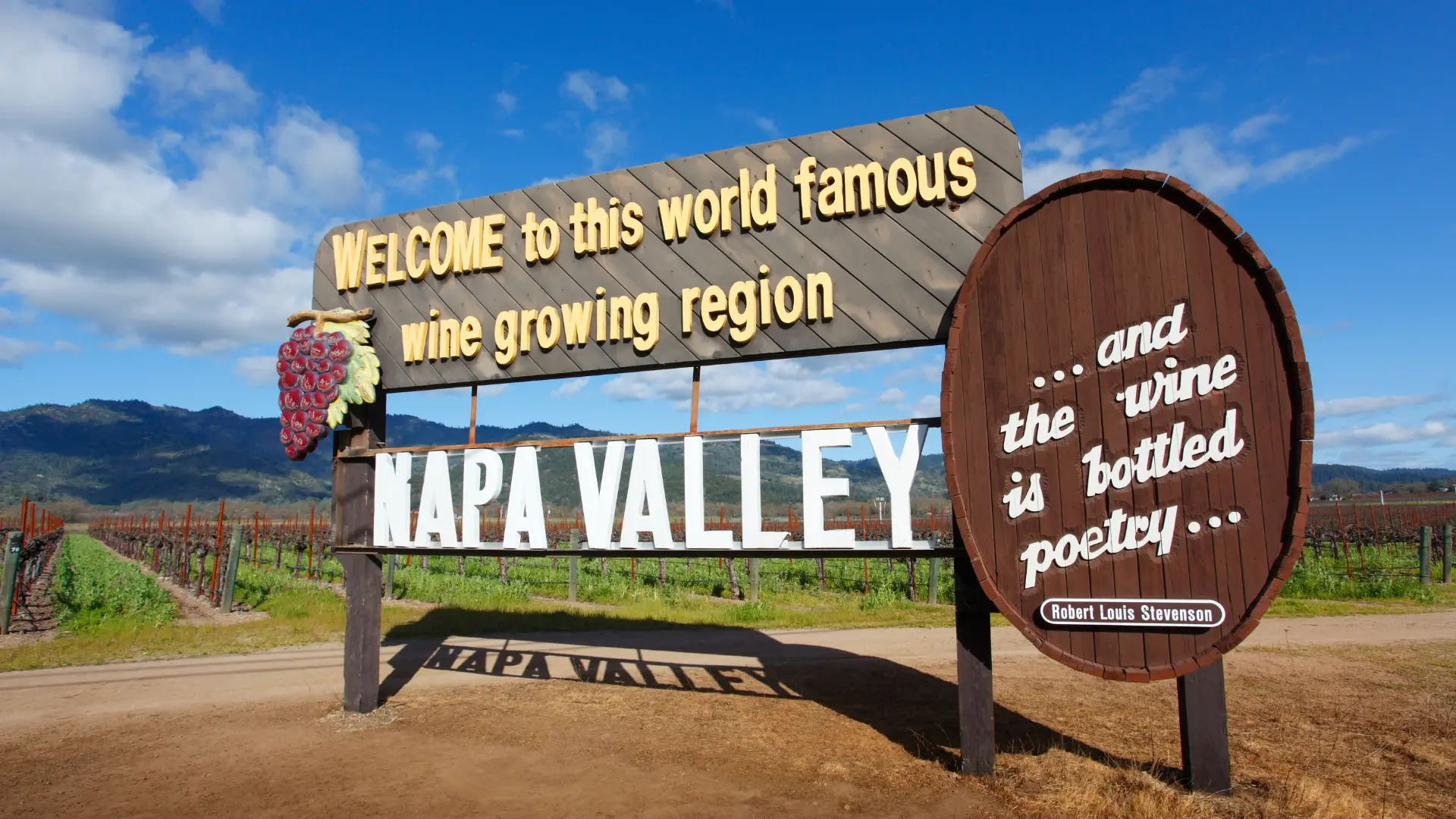
For a more structured, elevated take on Napa, the Wine Train offers a way to experience the region without planning the details – scenery, dining, and tastings built into a single, well-paced itinerary.
Getting there
The Napa Valley Wine Train departs from Napa, about 1.5 hours from San Francisco.
What to expect
Restored vintage rail cars, multi-course meals, and vineyard views that unfold slowly along the route.
It’s less about covering ground and more about settling into the experience – ideal if you prefer a set schedule with everything arranged in advance.
Best time to visit
The train runs year-round, with spring and fall offering the most comfortable weather and vineyard views.
Reservations are required, and popular times tend to book out in advance.
Exploring the Best Wineries in Napa: Our Top Recommendations
Read More11. Russian River
Why it’s worth your time:
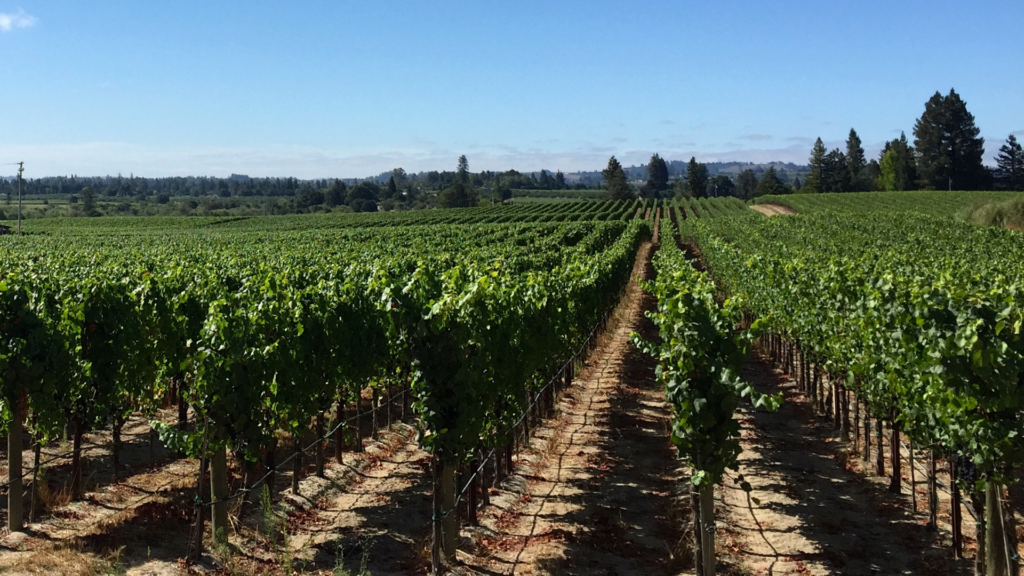
Russian River is one of the quieter escapes in Northern California – riverfront views, redwoods, and just enough to fill a day without needing much structure.
Getting there
Russian River Valley is about 1.5 hours from San Francisco, depending on where you base yourself in the area.
What to do (without overplanning)
Most visits revolve around a simple combination – time on or near the river, followed by a relaxed winery stop or casual meal.
Kayaking and paddleboarding are popular in warmer months, while nearby wineries offer a more laid-back alternative to Napa, often with fewer crowds and a slower pace.
It’s the kind of place where you can keep the day open and let it come together naturally.
Best time to visit
Summer is the most popular, especially for water activities along the river.
Spring and fall tend to be quieter, with mild weather and fewer visitors – often making for a more relaxed overall experience.
Getting around
Driving is the most practical way to explore the area, as locations are spread out between the river and nearby towns.
Some guided experiences combine river activities with wine tastings, which can simplify planning if you’re looking for a more structured day.
12. Livermore
Why it’s worth your time:
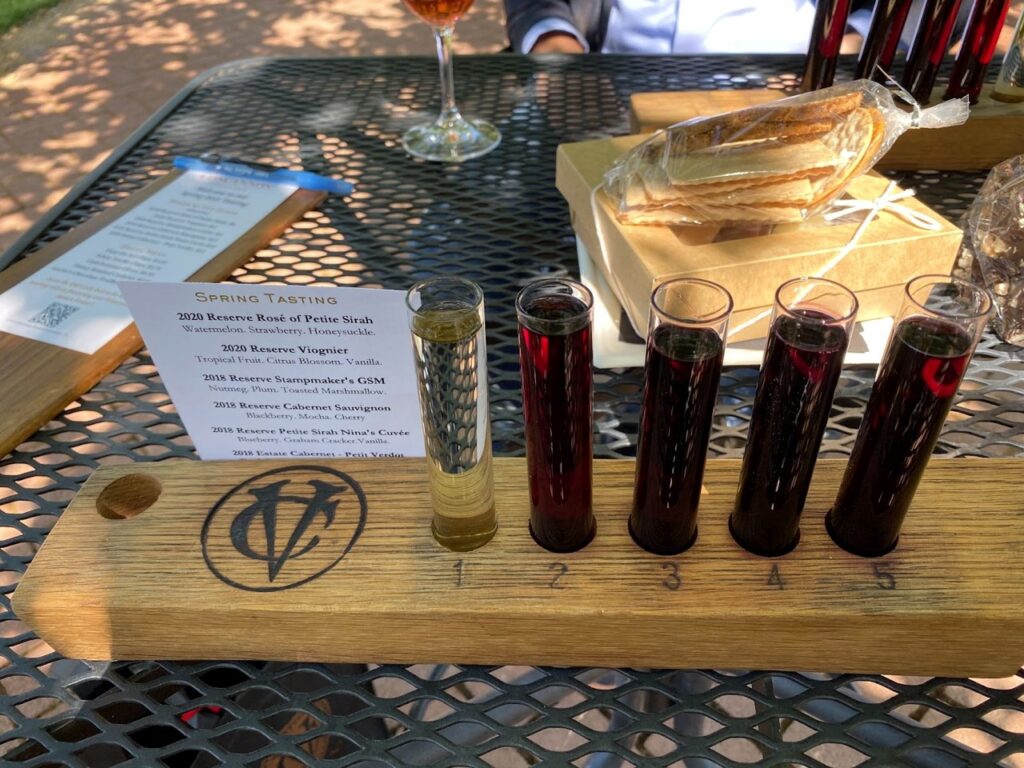
Often overlooked in favor of Napa or Sonoma, Livermore is where we go when we want a more relaxed, less crowded wine country experience – smaller wineries, approachable tastings, and a pace that feels easy to settle into for the day.
Getting there
Livermore Valley is about 45 minutes to an hour from San Francisco, making it one of the most convenient wine-focused day trips in the region.
What to do (without overplanning)
Livermore is best approached simply – two or three wineries, with time in between to enjoy the setting rather than rushing through tastings.
Compared to Napa, the experience here tends to feel more personal. Tasting rooms are smaller, conversations are less rushed, and it’s easier to spend time at each stop without needing a tightly structured plan.
Where to go (our picks)
After years of visiting and being members at a few of these, these are the wineries we consistently come back to:
- Concannon Vineyard: one of the oldest in the region, known for its history and structured tastings
- Wente Vineyards: a well-rounded stop with wine, food, and a more established setting
- Steven Kent Winery: smaller and more focused, particularly strong for Cabernet
- Wood Family Vineyards: consistently great wines, often with food trucks that make it easy to settle in for a while
- McGrail Vineyards: one of the better views in the valley, especially later in the day
- Retzlaff Vineyards: organic wines in a quieter, more laid-back setting
- Darcie Kent Vineyards: art-forward and approachable, with a slightly different feel than most
- Charles R Vineyards: worth a stop for their port (and the brownies when available)
- Mitchell Katz Winery: smaller, more traditional, and often less crowded
Best time to visit
Livermore is a year-round destination, with spring and fall offering the most comfortable weather.
Summer tends to be warmer than coastal regions, which makes for long, unhurried afternoons at the wineries.
Getting around
Driving is the easiest way to explore Livermore, especially since wineries are spread out across the valley.
For a car-free option, you can take Bay Area Rapid Transit (BART) to Dublin/Pleasanton and use a rideshare service from there.
Plan your Livermore wine tasting day
FAQs
What is Northern California most known for?
Northern California is defined by contrast – coastline, redwoods, wine country, and cities like San Francisco, all within a relatively short distance.
What makes it stand out is how easily you can move between them – often within the same day.
What is the best day trip from San Francisco?
If you’re choosing just one:
- Napa Valley → for wine and food
- Carmel or Monterey → for coastal scenery
- Muir Woods → for a quick nature escape
It’s less about distance and more about how you want to spend the day.
Do I need a car for Northern California day trips?
Not always.
San Francisco and Sausalito are easy without one, but for wine country and coastal routes, having a car or booking a guided experience makes the day significantly easier.
How many day trips should I plan?
One per day is usually enough.
Trying to combine multiple destinations tends to make the experience feel rushed – these places are best enjoyed at a slower pace.
Is a Northern California road trip worth it?
Yes primarily for the flexibility.
Routes like Highway 1 turn the drive into part of the experience, with stops that often end up being the highlight.
Continue Planning Your California Trip
If you’re building out a longer California itinerary, these guides expand on a few of the experiences above:
- Napa Valley wineries and tasting experiences
→ Exploring the Best Wineries in Napa: Our Top Recommendations - Monterey, Carmel & coastal California escapes
→ The Perfect Yosemite Weekend Trip Itinerary (pairs well with NorCal planning) - Livermore wineries and hidden gems
→ Discover McGrail Vineyards Winery
→ Concannon Vineyard: Discover This Timeless Gem - Scenic road trips and drive-based itineraries
→ Fastest Tampa to Los Angeles Road Trip in 4 Days
→ Bryce Canyon Overnight Itinerary
Each of these goes deeper depending on how you prefer to travel – wine-focused, coastal, or road trip driven.
You May Also Be Interested In
If you’re planning beyond Northern California, these guides follow a similar approach – experience-first, easy to plan, and designed to help you make the most of your time:
Japan
- 12 Best Day Trips from Tokyo by Train
- Tokyo Hotels by Purpose
- 3 Day Kyoto Itinerary Through a Native Lens
Ocean & Island Escapes
- Ultimate Travel Guide to Curaçao
- Best Caribbean Islands for Snorkeling in 2026
- Exuma Bahamas Travel Guide
Road Trips & U.S. Getaways
Happy planning and safe travels!
P.S. Our blog includes carefully selected affiliate links to products and services we genuinely recommend, allowing you to easily access the best resources for your travel needs. Rest assured, using these links comes at no additional cost to you. By clicking through our affiliate links, you help support our blog and enable us to continue providing high-quality content and travel tips. We appreciate your support and are committed to offering honest and valuable recommendations to enhance your travel experience.