Updated October 2026
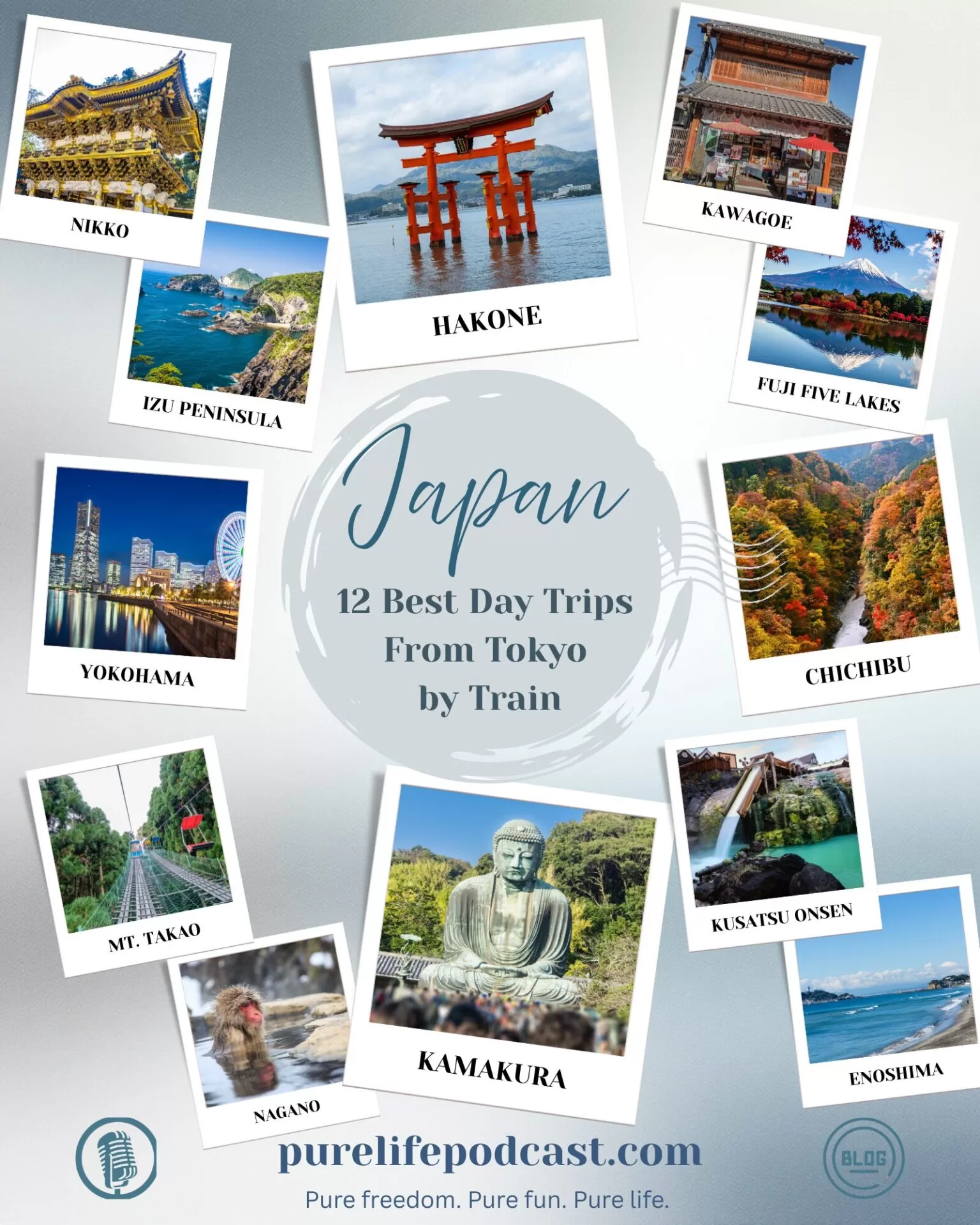
Some of the best day trips from Tokyo are surprisingly easy to reach by train. Kamakura is one of our favorites for temples and coastal atmosphere, Hakone for onsen and Mount Fuji scenery, Nikko for history and UNESCO-listed shrines, and Kawagoe when you want an easy escape without spending hours in transit.
I was born and raised in Tokyo, and one of the advantages of using the city as your base is just how much of Japan you can experience without changing hotels. Within roughly 30 minutes to a few hours, you can reach historic towns, mountain temples, beaches, hot springs and some of Japan’s most recognizable scenery.
But not every destination commonly described as a “Tokyo day trip” makes sense for every traveler. Some are effortless. Others require a very early start. And a few are technically possible in one day but are much more rewarding if you stay overnight.
This guide will help you choose the Tokyo day trip that fits the experience you actually want—not simply give you another list of places to visit.
Short on Time? Our Tokyo Day Trip Picks
| Best overall first day trip | Kamakura |
| Temples + coastal atmosphere | Kamakura + Enoshima |
| Onsen + Mount Fuji scenery | Hakone |
| History + UNESCO shrines | Nikko |
| Easiest short escape | Yokohama or Kawagoe |
| Nature + hiking | Mount Takao |
| Best Mount Fuji-focused trip | Fuji Five Lakes |
| Traditional onsen-town experience | Kusatsu Onsen — but stay overnight |
Our advice for first-time visitors: if you only have time for one day trip from Tokyo, start with Kamakura, Hakone or Nikko. Choose Kamakura for temples, food and coastline; Hakone for onsen and scenery; or Nikko for history and sacred architecture.
Tokyo Day Trips at a Glance
| Destination | Approx. Travel Time | Best For | Our Recommendation |
|---|---|---|---|
| Yokohama | ~30 min | Food + waterfront | Easy day trip |
| Mount Takao | ~50 min | Hiking + nature | Easy day trip |
| Kamakura | ~1 hr | Temples + coast | Excellent day trip |
| Kawagoe | ~45–60 min | Edo-era atmosphere | Easy day trip |
| Hakone | ~90 min | Onsen + scenery | Day trip or overnight |
| Enoshima | ~90 min | Coast + island atmosphere | Best combined with Kamakura |
| Chichibu | ~90 min | Countryside + outdoors | Full day |
| Nikko | ~2 hrs | Shrines + history | Long day or overnight |
| Fuji Five Lakes | ~2–2.5 hrs | Mount Fuji scenery | Long day or overnight |
| Izu Peninsula | ~1–2+ hrs | Coast + onsen | Overnight often better |
| Nagano | ~1.5 hrs to Nagano Station | Mountains + snow monkeys | Overnight often better |
| Kusatsu Onsen | ~3 hrs | Traditional onsen town | Strongly prefer overnight |
How to Choose the Best Day Trip from Tokyo
Choose Kamakura for temples, Japanese history, food and coastline with easy transportation. Choose Hakone for onsen, art and mountain scenery. Choose Nikko for history and elaborate shrines. Choose Kawagoe for traditional atmosphere without a long journey. Choose Mount Takao when you need nature after several city days. Choose Fuji Five Lakes when seeing Mount Fuji is one of the main goals of your trip.
How Many Day Trips Should You Take from Tokyo?
For most first-time visitors spending four or five days in Tokyo, we would usually recommend one day trip. With six or seven days, two can make sense—especially if they offer very different experiences, such as Kamakura plus Hakone. Tokyo itself deserves time.
Do You Need a JR Pass for Tokyo Day Trips?
Usually, no. Several of the best Tokyo day trips use a combination of JR trains, private railways and local transportation. A nationwide Japan Rail Pass should not automatically be purchased just for day trips from Tokyo. Compare individual tickets and regional passes based on your full Japan itinerary.
Pure Life Podcast Tip
Don’t assume farther means better. If you have only four or five days in Tokyo, we would usually choose Kamakura, Yokohama, Kawagoe or Mount Takao before spending six hours round-trip reaching a destination simply because it appears on a “best day trips” list.
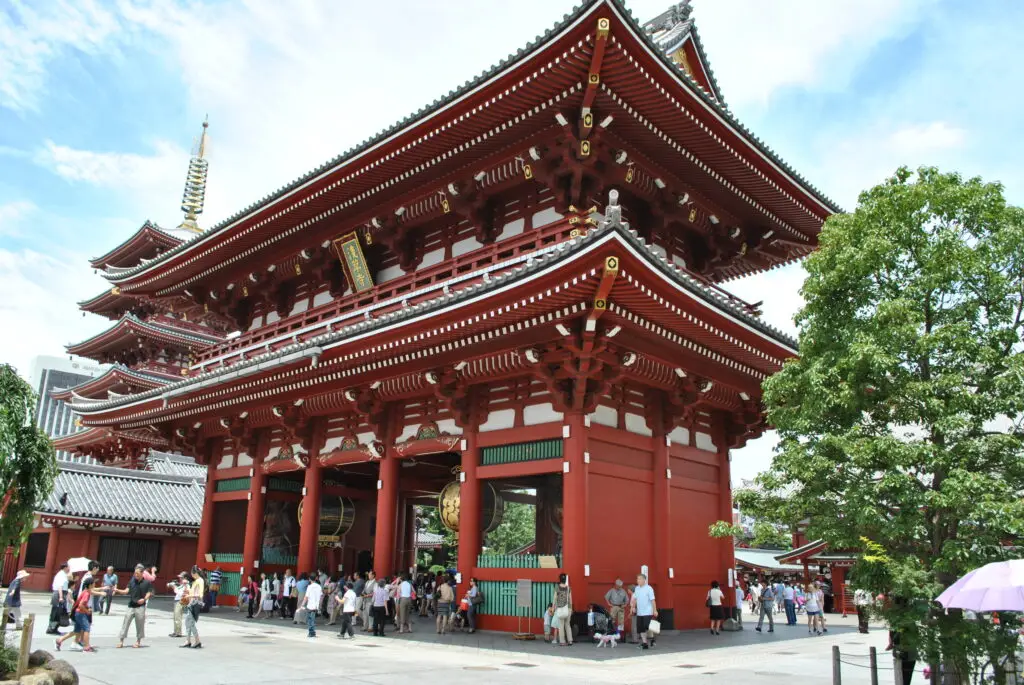
Table of Contents
1. Kamakura — Temples, the Great Buddha & Coastal Japan
BEST FOR: Culture + coast | FROM TOKYO: About 1 hour | TRIP STYLE: Easy day trip
Why Go:
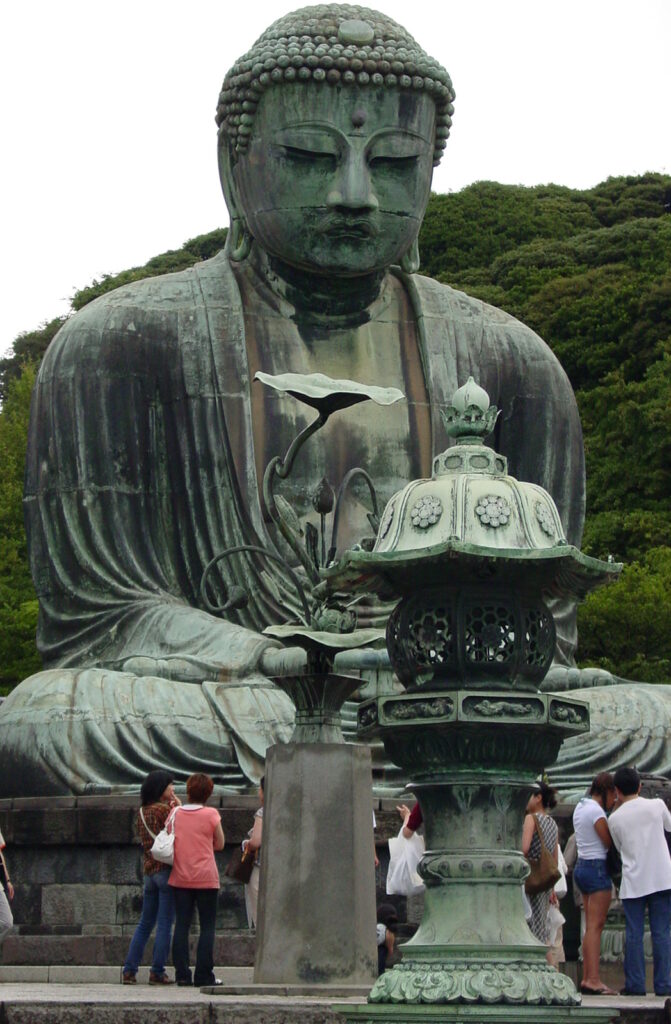
Kamakura is one of the easiest places to recommend for a first day trip from Tokyo. The former samurai capital combines important Buddhist temples and Shinto shrines with wooded hills, neighborhood cafés and the sea—all within about an hour of central Tokyo.
How to Get There:
Take the JR Yokosuka Line from Tokyo Station directly to Kamakura Station, normally around one hour.
Don’t Miss:
- Great Buddha of Kamakura
- Hasedera Temple
- Tsurugaoka Hachimangu
- Hokokuji bamboo grove and teahouse
- Komachi-dori
Best Time to Visit:
Spring and autumn are especially beautiful, while winter can be pleasantly quiet. Summer adds the beach atmosphere but also heat, humidity and larger coastal crowds.
Day Trip or Overnight?
Day trip. Kamakura works exceptionally well from Tokyo. Stay overnight only if you specifically want a quieter coastal evening or want to combine Kamakura and Enoshima at a slower pace.
Pure Life Podcast Tip
Arrive early on weekends. If you have a full day, consider combining Kamakura + Enoshima rather than treating them as two separate trips.
2. Nikko — UNESCO Shrines, Mountain Scenery & Japanese History
BEST FOR: History + sacred architecture | FROM TOKYO: Around 2 hours | TRIP STYLE: Long day / better overnight for the wider region
Why Go:
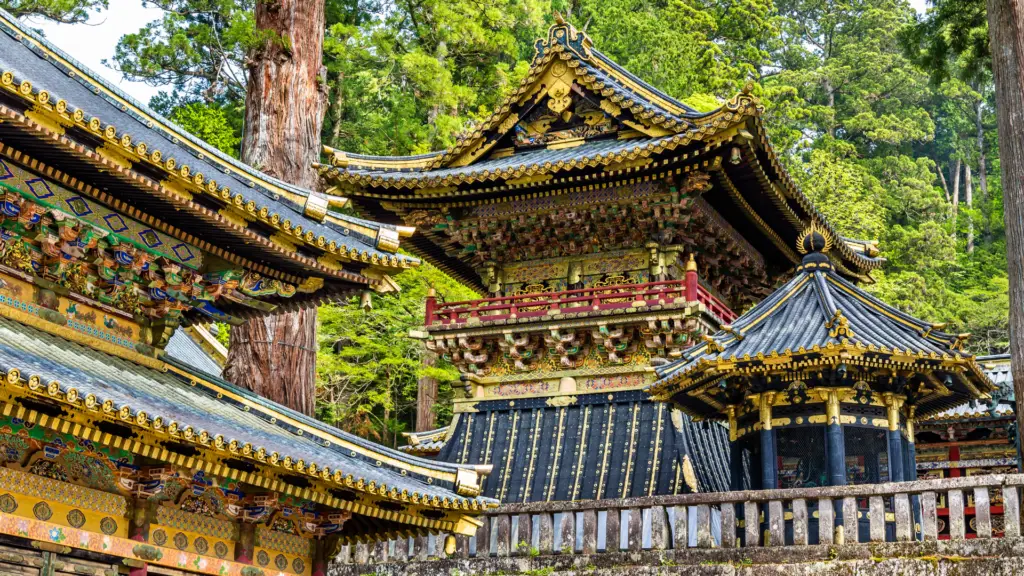
Nikko feels far removed from Tokyo despite being reachable in roughly two hours. Its elaborate shrines and temples sit among towering cedar trees, creating one of Japan’s most memorable combinations of architecture, religion and mountain landscape.
How to Get There:
Travel via JR through Utsunomiya or use Tobu services from Asakusa. Choose the route based on where you are staying in Tokyo.
Don’t Miss:
- Toshogu Shrine
- Rinnoji Temple
- Futarasan Shrine
- Shinkyo Bridge
- Kegon Falls and Lake Chuzenji if time allows
Best Time to Visit:
Spring and early summer are lush; autumn is spectacular but extremely busy; winter brings a quieter, more atmospheric experience around the shrines.
Day Trip or Overnight?
Either—but overnight is better for the full Nikko experience.
Pure Life Podcast Tip
The shrine area works as a day trip. Once you add Lake Chuzenji, Kegon Falls or an onsen stay, Nikko makes much more sense overnight.
3. Hakone — Onsen, Art & Mount Fuji Scenery
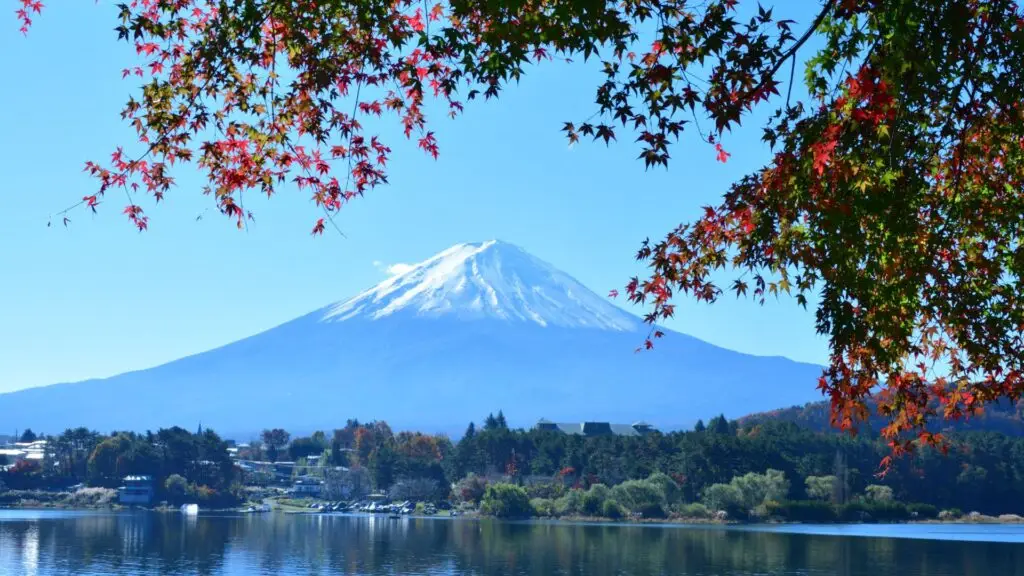
BEST FOR: Onsen + scenery | FROM TOKYO: About 90 minutes | TRIP STYLE: Day trip / excellent overnight
Why Go:
Hakone has been one of Tokyo’s classic escapes for generations. Hot springs, forested mountains, museums and Lake Ashi make it a particularly good choice when you want to experience a different side of Japan without traveling far from the capital.
How to Get There:
The Odakyu Romancecar from Shinjuku to Hakone-Yumoto is one of the simplest approaches, taking about 90 minutes.
Don’t Miss:
- Hakone Open-Air Museum
- Lake Ashi
- Hakone Shrine
- Owakudani
- An onsen experience
Best Time to Visit:
Hakone works year-round. Autumn foliage is beautiful, winter often brings clearer Fuji views, and spring is especially pleasant for gardens and outdoor art.
Day Trip or Overnight?
Both work. Overnight is better if your budget and itinerary allow it.
Pure Life Podcast Tip
Hakone is where we would seriously consider turning a day trip into an overnight stay. A ryokan, kaiseki dinner and evening onsen transform the experience.
4. Yokohama — Waterfront Tokyo Escape for Food & City Views
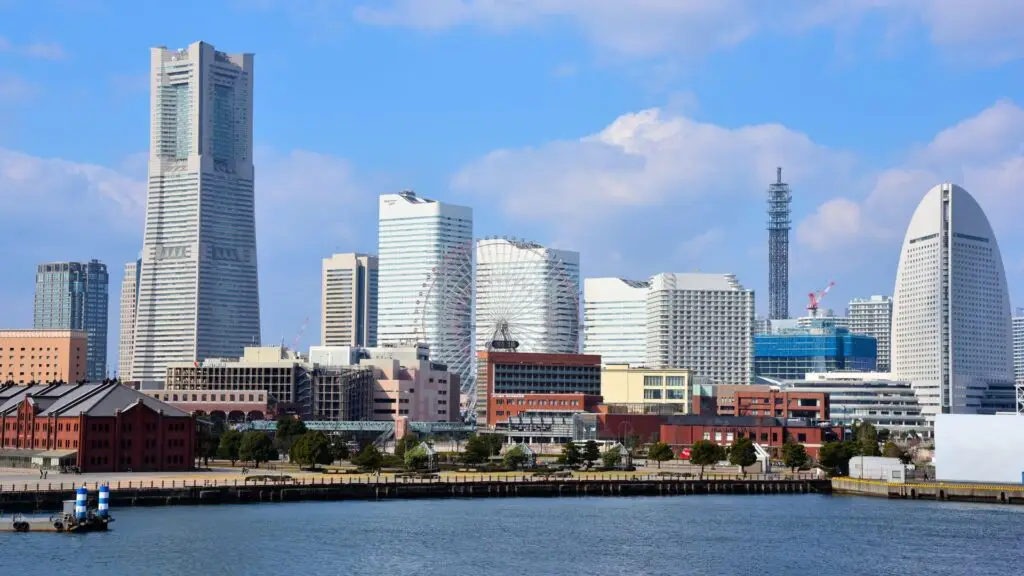
BEST FOR: Food + waterfront | FROM TOKYO: About 30 minutes | TRIP STYLE: Very easy day trip
Why Go:
Yokohama is technically another major city, but its waterfront setting gives it a noticeably different feel from central Tokyo. It works especially well when you don’t want to commit several hours to transportation.
How to Get There:
Take the JR Tokaido Line or other frequent rail services from central Tokyo to Yokohama, usually around 30 minutes.
Don’t Miss:
- Minato Mirai
- Yokohama Chinatown
- Sankeien Garden
- Red Brick Warehouse
- Waterfront promenade
Best Time to Visit:
Spring and autumn are especially comfortable for waterfront walking; winter is excellent for clear skyline views and illuminations.
Day Trip or Overnight?
Day trip. Unless you have another reason to stay in Yokohama, it is easy to return to Tokyo.
Pure Life Podcast Tip
Yokohama is particularly good on a low-energy travel day. You get the feeling of leaving Tokyo without the logistical commitment of Hakone, Nikko or Fuji Five Lakes.
5. Kawagoe — Edo-Era Streets Without Going Far from Tokyo
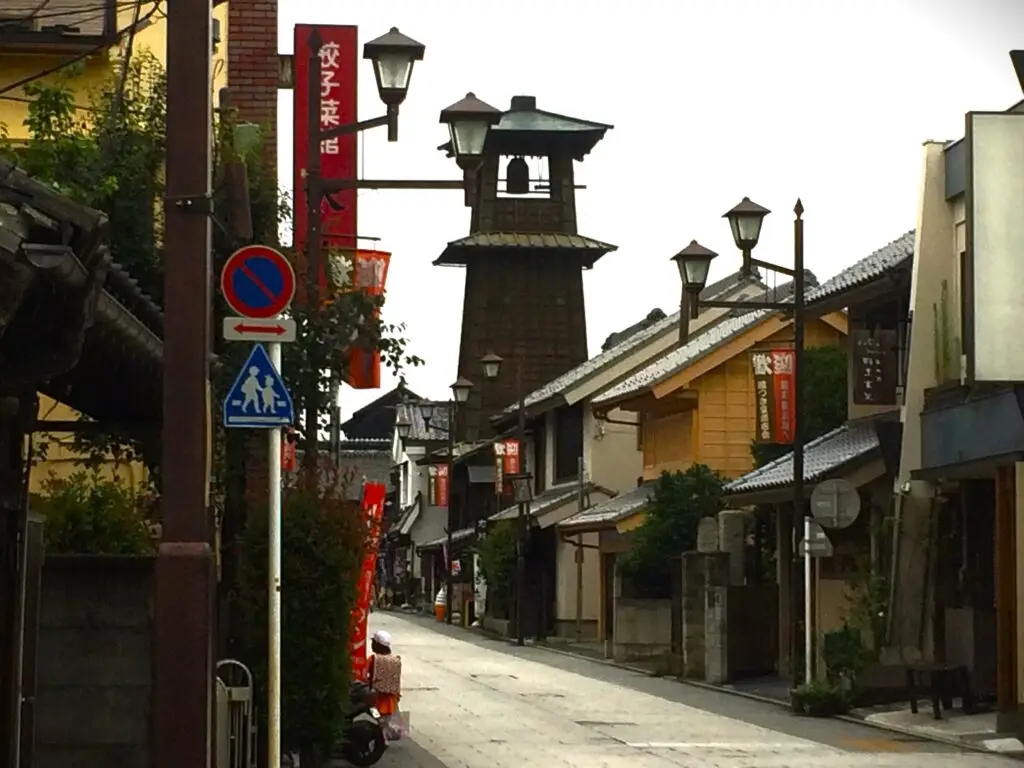
BEST FOR: Traditional streets + food | FROM TOKYO: Roughly 45–60 minutes | TRIP STYLE: Easy day trip
Why Go:
Kawagoe is a useful option for travelers who want a glimpse of older Japanese streets without committing to a long journey. Often called “Little Edo,” the historic warehouse district retains kurazukuri-style buildings, traditional sweets shops and one of the region’s most recognizable bell towers.
How to Get There:
Take the Tobu Tojo Line from Ikebukuro or another convenient route based on your Tokyo base. Travel time is typically around 45–60 minutes.
Don’t Miss:
- Kurazukuri warehouse district
- Toki no Kane bell tower
- Kashiya Yokocho
- Kawagoe Hikawa Shrine
Best Time to Visit:
Spring and autumn are particularly comfortable. Festival weekends can be extremely busy, while winter offers a quieter atmosphere.
Day Trip or Overnight?
Day trip. No overnight is necessary for most visitors.
Pure Life Podcast Tip
Kawagoe can work particularly well as a half-day excursion, leaving time for dinner or another neighborhood back in Tokyo.
6. Mount Takao — The Easiest Nature Escape from Tokyo
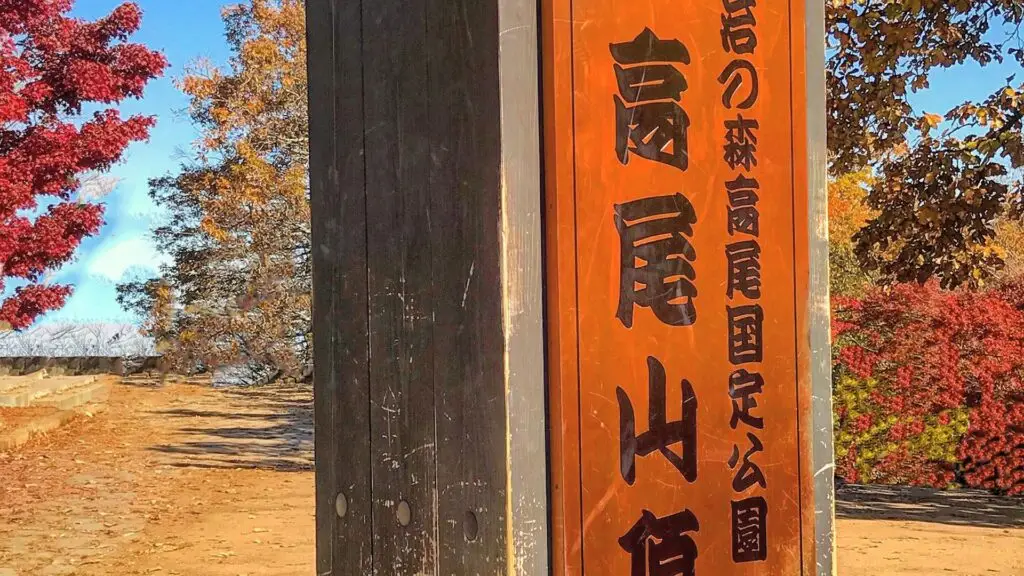
BEST FOR: Hiking + nature | FROM TOKYO: About 50 minutes | TRIP STYLE: Easy day trip
Why Go:
When Tokyo’s scale and energy start to feel overwhelming, Mount Takao offers a surprisingly easy escape into forests and mountain trails. You can hike to the summit or use the cable car or chairlift for part of the journey.
How to Get There:
Take the Keio Line from Shinjuku Station to Takaosanguchi, typically around 50 minutes.
Don’t Miss:
- Trail 1
- Yakuoin Temple
- Summit views
- Cable car or chairlift
- Takaosan Onsen after the hike
Best Time to Visit:
Spring and autumn are the most popular seasons. Winter can bring crisp views and fewer crowds; summer is greener but warmer and more humid.
Day Trip or Overnight?
Day trip. Return to Tokyo; an overnight stay is unnecessary for most visitors.
Pure Life Podcast Tip
You don’t need to be a serious hiker to enjoy Mount Takao. This is one reason we like it for families or travelers who simply want several hours away from the city.
7. Enoshima — Island Views, Seafood & a Coastal Break
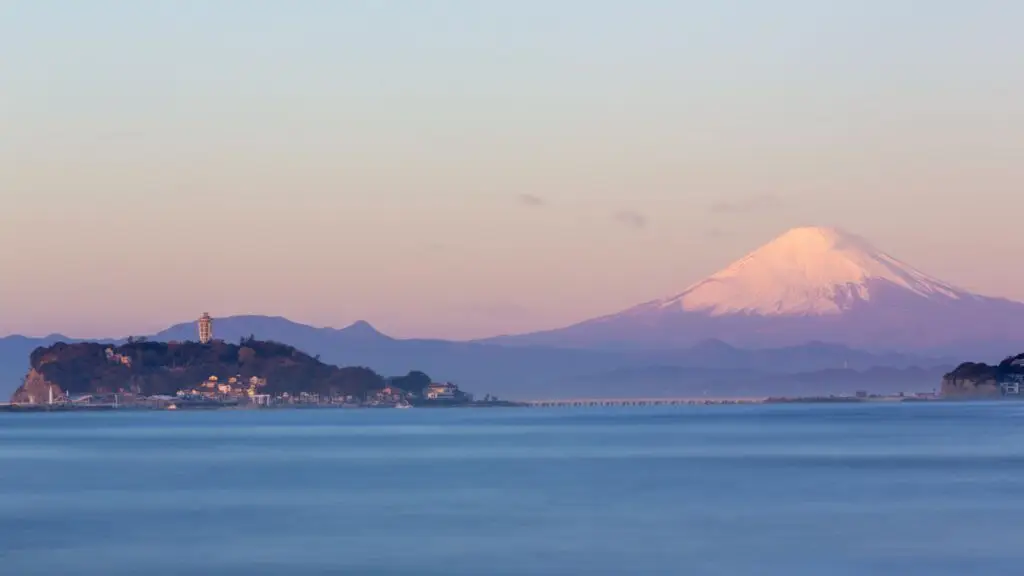
BEST FOR: Coast + casual exploring | FROM TOKYO: About 90 minutes | TRIP STYLE: Best combined with Kamakura
Why Go:
Enoshima sits just off the Shonan coast and combines shrines, ocean views, caves, casual seafood and—on clear days—views toward Mount Fuji.
How to Get There:
From Shinjuku, take Odakyu toward Fujisawa and continue toward Enoshima, or travel via Kamakura and ride the Enoden along the coast.
Don’t Miss:
- Enoshima Shrine
- Sea Candle
- Iwaya Caves
- Shirasu seafood
- Sunset from the coast
Best Time to Visit:
Spring and autumn are comfortable; summer brings the strongest beach atmosphere; winter often offers clearer views toward Mount Fuji.
Day Trip or Overnight?
Day trip, usually combined with Kamakura.
Pure Life Podcast Tip
Start in Kamakura in the morning and use the Enoden to work your way toward Enoshima later in the day. The train ride itself is part of the experience.
8. Chichibu — Mountains, Seasonal Flowers & Rural Saitama
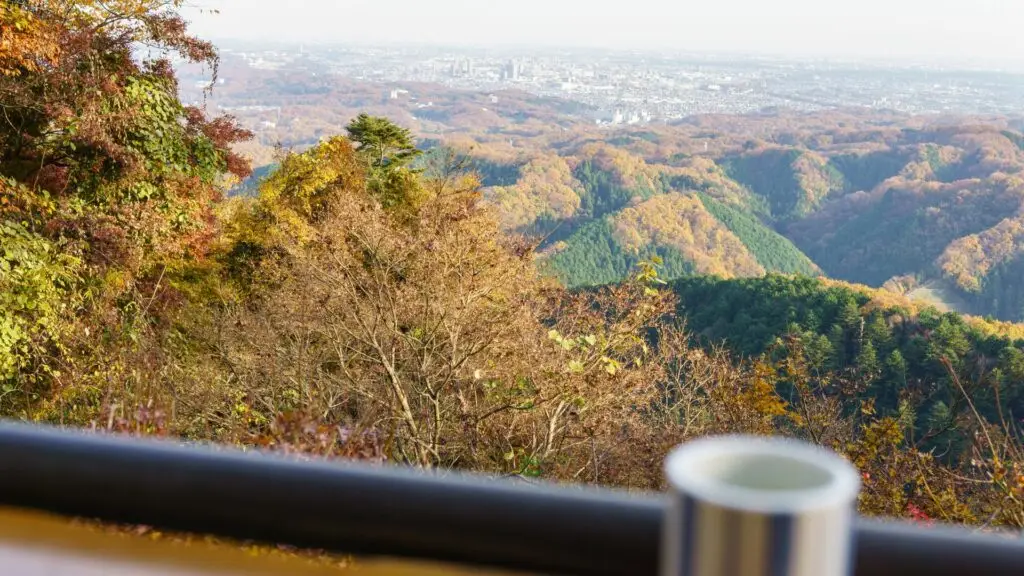
BEST FOR: Countryside + outdoors | FROM TOKYO: Around 90 minutes | TRIP STYLE: Full day
Why Go:
Chichibu shows how quickly the landscape can change once you leave central Tokyo. Mountains, shrines, seasonal flowers and the nearby Nagatoro river area make this a good choice for travelers who want something less urban.
How to Get There:
Take Seibu services from Ikebukuro to Seibu-Chichibu. Travel time is typically around 90 minutes depending on the service.
Don’t Miss:
- Chichibu Shrine
- Hitsujiyama Park during shibazakura season
- Nagatoro
- Seasonal hiking and river activities
Best Time to Visit:
Spring is famous for shibazakura; summer brings river activities; autumn has foliage and festivals. Winter is quieter.
Day Trip or Overnight?
Day trip for most visitors.
Prefer to Listen?
We’ve also covered Tokyo day trips on the Pure Life Podcast.
Pure Life Podcast Tip
Chichibu is particularly worthwhile when something seasonal is happening. Otherwise, first-time visitors with limited days may get more from Kamakura, Nikko or Hakone.
9. Izu Peninsula — Coastline, Onsen & a Reason to Stay Overnight
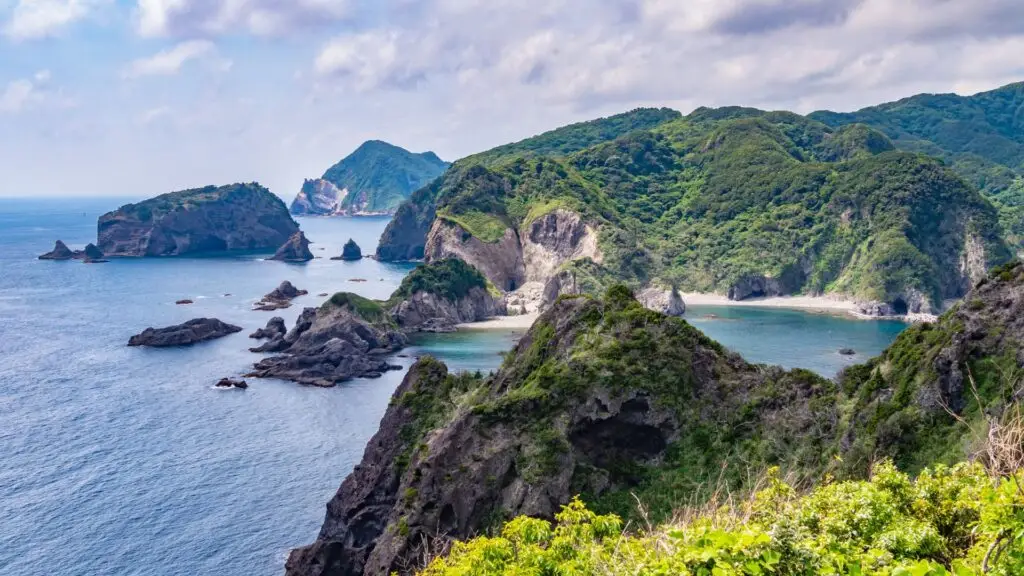
BEST FOR: Coast + onsen | FROM TOKYO: Atami is about 45–50 minutes by Shinkansen; deeper Izu takes longer | TRIP STYLE: Overnight recommended
Why Go:
The Izu Peninsula stretches south from the Tokyo region with dramatic coastline, hot-spring towns, beaches, seafood and scenic drives. Atami is remarkably quick to reach, but destinations farther down the peninsula require significantly more time.
How to Get There:
Take the Tokaido Shinkansen from Tokyo to Atami for the fastest gateway. From there, travel times vary substantially depending on how far down the peninsula you go.
Don’t Miss:
- Atami
- Jogasaki Coast
- Ito
- Shimoda
- Kawazu
- Coastal onsen
Best Time to Visit:
Winter and early spring are excellent for onsen and seasonal blossoms; summer is popular for beaches; autumn is comfortable for coastal exploring.
Day Trip or Overnight?
Atami: day trip possible. Deeper Izu: overnight strongly recommended.
Pure Life Podcast Tip
This is one destination where “day trip from Tokyo” can be misleading. Atami works easily as a day trip. Exploring deeper into Izu is much more rewarding with at least one night.
10. Fuji Five Lakes — For the Mount Fuji Views You Came to Japan Hoping to See
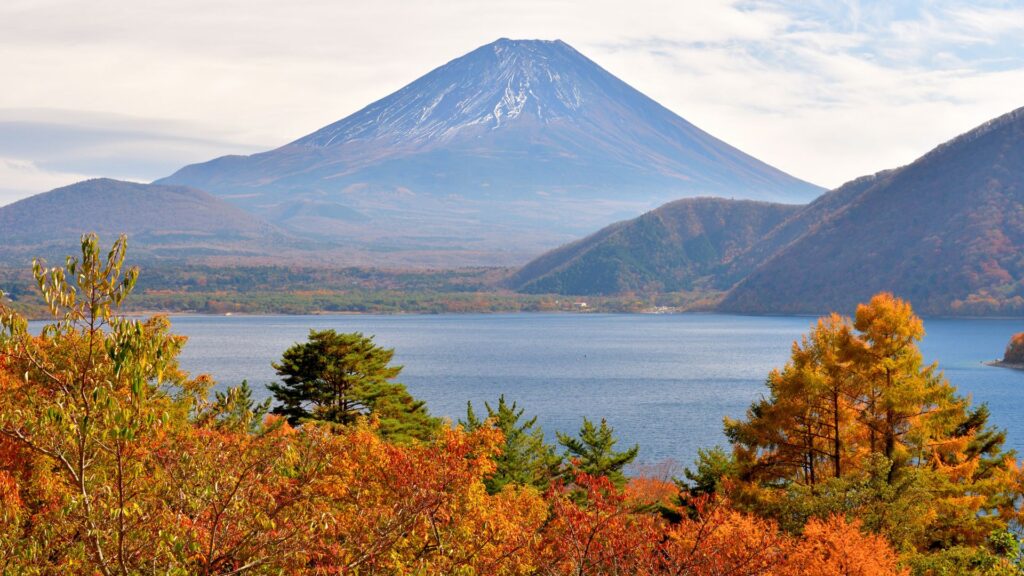
BEST FOR: Mount Fuji scenery | FROM TOKYO: Around 2 hours or more | TRIP STYLE: Long day / overnight
Why Go:
If seeing Mount Fuji is one of your highest priorities, the Fuji Five Lakes region—particularly Lake Kawaguchi—is one of the best places to build a trip around the mountain itself. The tradeoff is transportation time and weather dependence.
How to Get There:
One common route is from Shinjuku via Otsuki, then the Fujikyu Railway to Kawaguchiko. Direct bus and limited-express options may also be convenient depending on your date and departure point.
Don’t Miss:
- Lake Kawaguchi
- Oshino Hakkai
- Fujiyoshida / Arakura area
- Seasonal flowers and foliage
- Fuji-view onsen or ryokan
Best Time to Visit:
Winter often brings the clearest Fuji views; spring and autumn add dramatic seasonal scenery; summer is greener but visibility can be less reliable.
Day Trip or Overnight?
Possible as a long day trip, but overnight is often better.
Pure Life Podcast Tip
Mount Fuji is not guaranteed. Clouds often obscure the mountain, particularly later in the day and during warmer, humid periods. If Fuji is a major priority, build flexibility into your itinerary.
11. Nagano — Temples, Mountains & Snow Monkeys
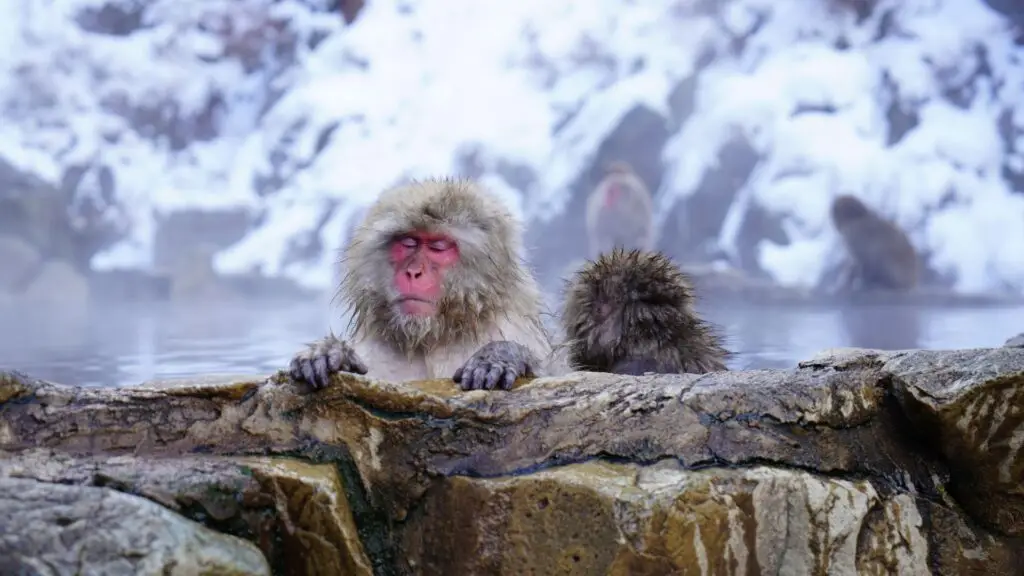
BEST FOR: Winter + mountain Japan | FROM TOKYO: Nagano Station is about 90 minutes by Shinkansen | TRIP STYLE: Better overnight
Why Go:
Nagano Station itself is surprisingly quick to reach, but many of the experiences travelers associate with Nagano—especially Jigokudani Snow Monkey Park and the surrounding mountain areas—require additional transportation.
How to Get There:
Take the Hokuriku Shinkansen from Tokyo to Nagano Station, then allow additional time for local trains, buses or transfers depending on where you are going.
Don’t Miss:
- Zenkoji Temple
- Jigokudani Snow Monkey Park
- Onsen towns
- Mountain scenery
- Winter experiences
Best Time to Visit:
Winter is the classic season for snow monkeys and skiing; spring through autumn is excellent for temple visits, hiking and mountain scenery.
Day Trip or Overnight?
Overnight recommended, particularly for snow monkeys or mountain destinations.
Pure Life Podcast Tip
Do not try to combine Zenkoji, snow monkeys and Togakushi into a casual Tokyo day trip. Nagano is much more enjoyable when you choose one area or stay overnight.
12. Kusatsu Onsen — One of Japan’s Great Hot-Spring Towns
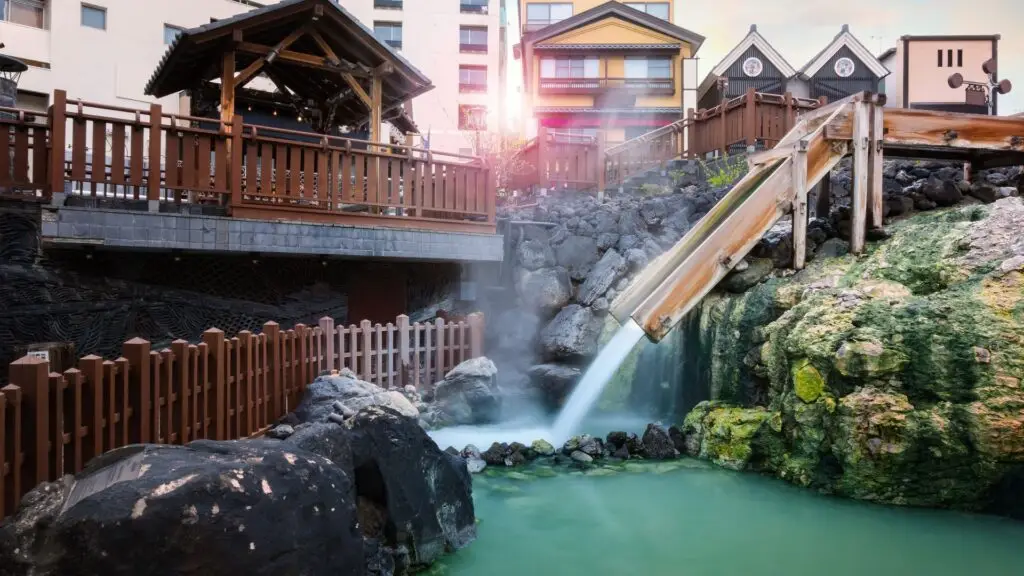
BEST FOR: Onsen culture | FROM TOKYO: Roughly 3 hours | TRIP STYLE: Overnight strongly recommended
Why Go:
Kusatsu is one of Japan’s best-known traditional hot-spring towns. The steaming Yubatake sits right at the center of town, surrounded by ryokan, bathhouses and streets designed for wandering in yukata between soaks.
How to Get There:
Rail and bus combinations from Tokyo typically take around three hours each way. Check current schedules before travel because the exact routing can vary.
Don’t Miss:
- Yubatake
- Sainokawara
- Yumomi performance
- Public or ryokan onsen
- Evening walk around the illuminated town center
Best Time to Visit:
Kusatsu works year-round, but winter is especially atmospheric with snow and steaming outdoor baths; autumn is another standout season.
Day Trip or Overnight?
Overnight. Arrive in the afternoon, check into a ryokan, soak before dinner and experience the town after day visitors have left.
Pure Life Podcast Tip
Stay overnight. Six hours of transportation for a few hours in Kusatsu defeats much of the reason to visit an onsen town.
Which Tokyo Day Trips Are Better as Overnight Stays?
One of the biggest mistakes we see in Japan itineraries is assuming that anything reachable by train should automatically be done as a day trip.
Easy day trips: Yokohama, Kamakura, Kawagoe, Mount Takao, Enoshima and Chichibu.
Work either way: Hakone, Nikko and Fuji Five Lakes.
Better overnight: Izu Peninsula beyond Atami, Nagano mountain areas and Kusatsu Onsen.
Travel time should be part of the experience decision—not an afterthought.
Tokyo Day Trips by Train: Frequently Asked Questions
Q: What is the best day trip from Tokyo for first-time visitors?
For most first-time visitors, we would choose Kamakura, Hakone or Nikko. Kamakura is easiest for temples and coastline, Hakone is best for onsen and mountain scenery, and Nikko is particularly strong for Japanese history and shrine architecture.
Q: What is the easiest day trip from Tokyo by train?
Yokohama, Kamakura, Kawagoe and Mount Takao are among the easiest because they can be reached relatively quickly without an exhausting travel day.
Q: Can you visit Mount Fuji on a day trip from Tokyo?
Yes. Fuji Five Lakes and Hakone can both be visited from Tokyo, although seeing Mount Fuji depends heavily on weather and visibility.
Q: Is Hakone or Nikko better for a day trip?
Choose Hakone for onsen, scenery, art and the possibility of Mount Fuji views. Choose Nikko for Japanese history, elaborate shrines and mountain temples.
Q: Can you visit Kamakura and Enoshima in one day?
Yes—and this is often how we recommend experiencing them. Visit Kamakura’s temples in the morning, then take the Enoden toward Enoshima for the afternoon and sunset.
Q: Do I need a Japan Rail Pass for Tokyo day trips?
Usually not. Many Tokyo day trips use private railways or inexpensive regional transportation. Calculate the cost based on your overall Japan itinerary before buying a nationwide JR Pass.
Q: What is the best Tokyo day trip with kids?
Kamakura, Yokohama and Mount Takao are all relatively easy. Hakone can also work especially well because the transportation itself—mountain trains, cable cars, ropeways and boats—can become part of the experience.
Q: Which Tokyo day trips are better as overnight stays?
We would strongly consider overnight stays for Kusatsu, deeper Izu, Nagano, Hakone and Fuji Five Lakes, depending on your priorities.
Explore More from Pure Life Podcast
Plan Your Tokyo Trip
- Best Areas to Stay in Tokyo (+ Where to Avoid)
- Tokyo in 4 Days: Your Ultimate Itinerary
- Immersive Experiences in Tokyo: A Tokyo Native’s Guide Beyond the Tourist Trail
- Asakusa & Tokyo Skytree Guide
- Hidden Wellness Oasis in Tokyo: Toyosu Manyo Club
Continue Exploring Japan
- Your Second Trip to Japan: Where to Go Beyond Tokyo, Kyoto & Osaka
- Is Japan’s Golden Route Still Worth It?
- Why Stay at a Traditional Ryokan in Japan?
- Driving in Japan: Is Renting a Car Worth It?
- Discovering Tohoku
- Is Shikoku Worth Visiting?
Listen: Tokyo Day Trips
- Episode 50: Top Day Trips from Tokyo by Train — Part 1
- Episode 51: Top Day Trips from Tokyo by Train — Part 2
- Episode 52: Top Day Trips from Tokyo by Train — Part 3
Ready to Go Farther Beyond Tokyo?
Day trips are a wonderful introduction to regional Japan. If you’re ready to move beyond Tokyo and the Golden Route entirely, our Real Japan Collection | Volume 1: Tohoku takes you through a personally traveled 12-day onsen and culinary road trip across northern Japan.
Final Thoughts: The Best Tokyo Day Trip Is the One That Fits Your Trip
Tokyo gives you an extraordinary advantage as a traveler: within a relatively short train ride, the landscape, history and rhythm of Japan can change completely.
You can leave skyscrapers behind for Kamakura’s temples, soak in an onsen in Hakone, walk beneath ancient cedars in Nikko, hike Mount Takao or look across a lake toward Mount Fuji.
But you don’t need to do all of them.
Choose the excursion that adds something your Tokyo itinerary is missing. If you’ve spent several days surrounded by city energy, head toward the mountains or coast. If Japanese history is what drew you here, choose Kamakura or Nikko. If part of your idea of Japan involves ryokan and onsen, slow down in Hakone—or turn the day trip into an overnight stay.
And if an excursion requires so much transportation that you will spend most of your day watching Japan through a train window, give yourself permission to stay closer to Tokyo.
The goal isn’t to see the greatest number of places. It’s to make the days you have in Japan count.
Every Journey, Once in a Lifetime.
Some links on Pure Life Podcast are affiliate links. If you book through them, we may earn a small commission at no additional cost to you. We only recommend stays and experiences we genuinely believe are worth considering.