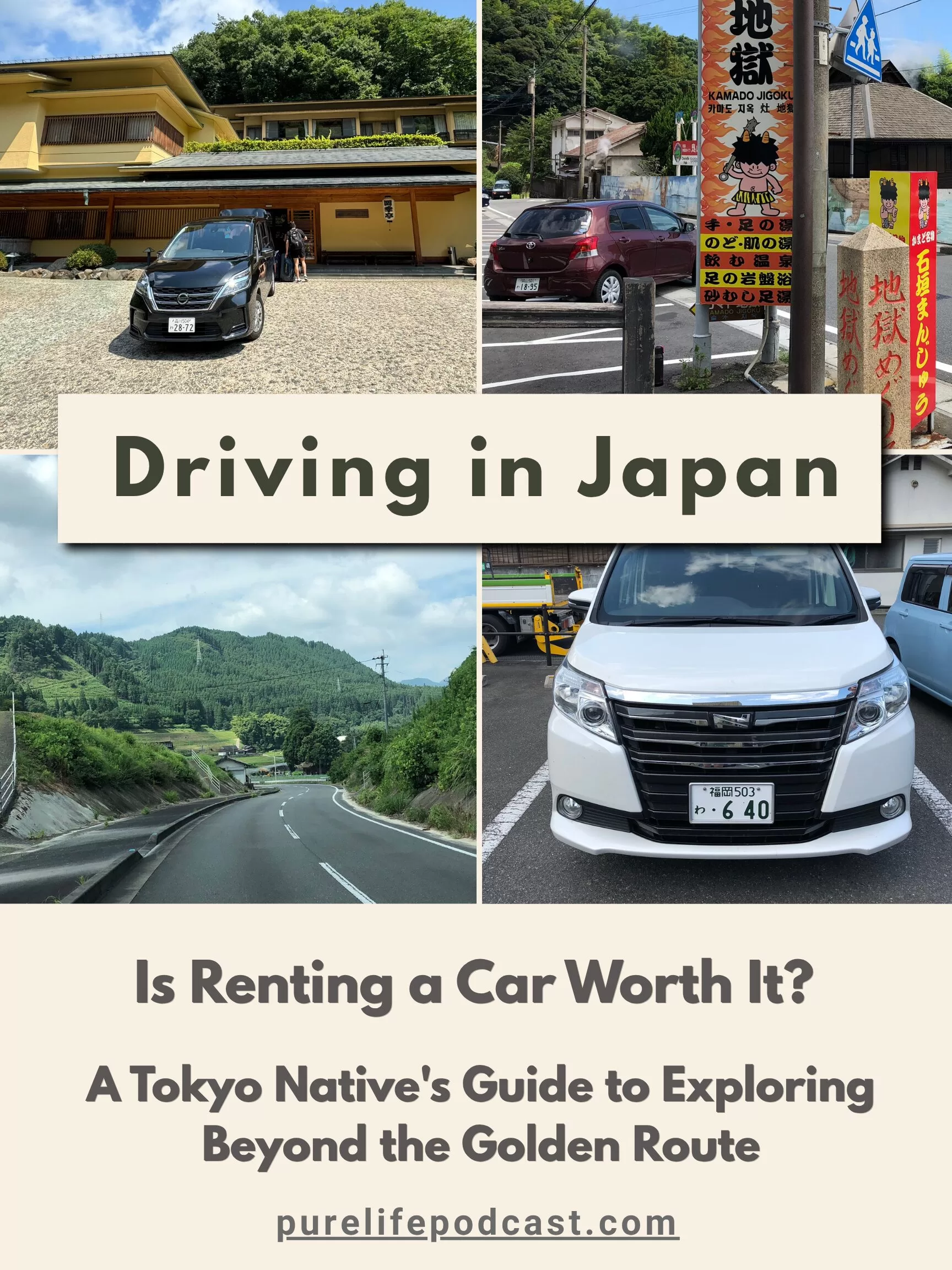
Is Driving in Japan Worth It? Here’s Why We Almost Always Do
If you’re planning your first trip to Japan, you’ve probably heard that the country’s trains are among the best in the world and they are. The Shinkansen, local rail networks, and public transportation make exploring cities like Tokyo, Kyoto, and Osaka incredibly easy.
But what many travelers don’t realize is that Japan feels completely different once you leave the major cities.
Over the years, we’ve discovered that some of our favorite memories have happened not on a train, but behind the wheel. Scenic mountain roads, quiet fishing villages, family-run restaurants, peaceful onsen towns, and breathtaking countryside landscapes often sit well beyond the reach of Japan’s rail network.
For us, renting a car has become one of the best ways to experience the authentic, slower side of Japan.
If you’re wondering whether driving in Japan is difficult or whether renting a car is worth it, here’s why we almost always choose to drive whenever we explore beyond the Golden Route.
Table of Contents
When You Don’t Need a Car
One of the greatest strengths of traveling in Japan is its exceptional public transportation. If your itinerary focuses on cities such as:
- Tokyo
- Kyoto
- Osaka
- Yokohama
- Hiroshima
we generally don’t recommend renting a car.
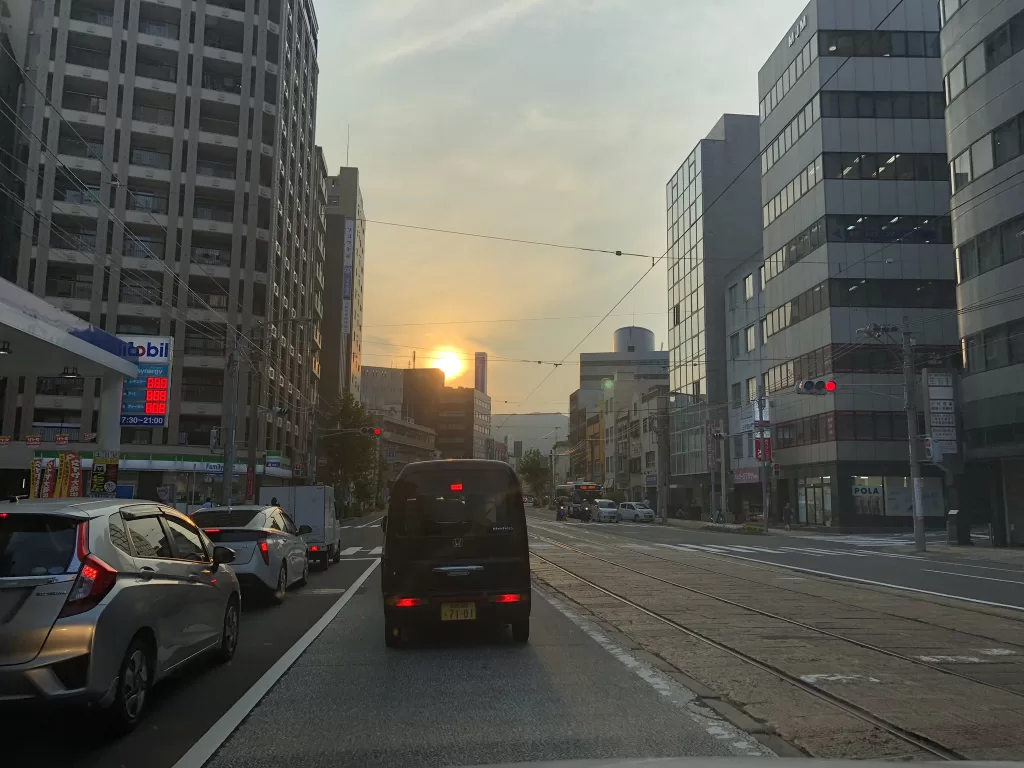
Japan’s trains, subways, buses, and taxis are incredibly efficient, reliable, and easy to use. Parking can be limited and expensive in city centers, and driving often takes longer than simply hopping on a train.
For many first-time visitors following the classic Golden Route, public transportation is the easiest option.
When Driving in Japan Makes Sense
Everything changes once you venture into regional Japan. Many of Japan’s most memorable destinations simply aren’t convenient to reach by train alone.
Whether you’re exploring hidden onsen towns, dramatic coastlines, mountain villages, national parks, or scenic countryside roads, having your own vehicle gives you the flexibility to travel at your own pace.
It also gives you the freedom to stop whenever something catches your eye.
Some of our favorite discoveries have happened because we noticed a quiet shrine, a roadside café, a local produce stand, or a breathtaking viewpoint and simply decided to pull over.
Those spontaneous moments are difficult to experience when you’re following a train schedule.
Purelifepodcast Essential Japan Road Trip Checklist
- International Driving Permit (IDP)
- Reserve your rental car early
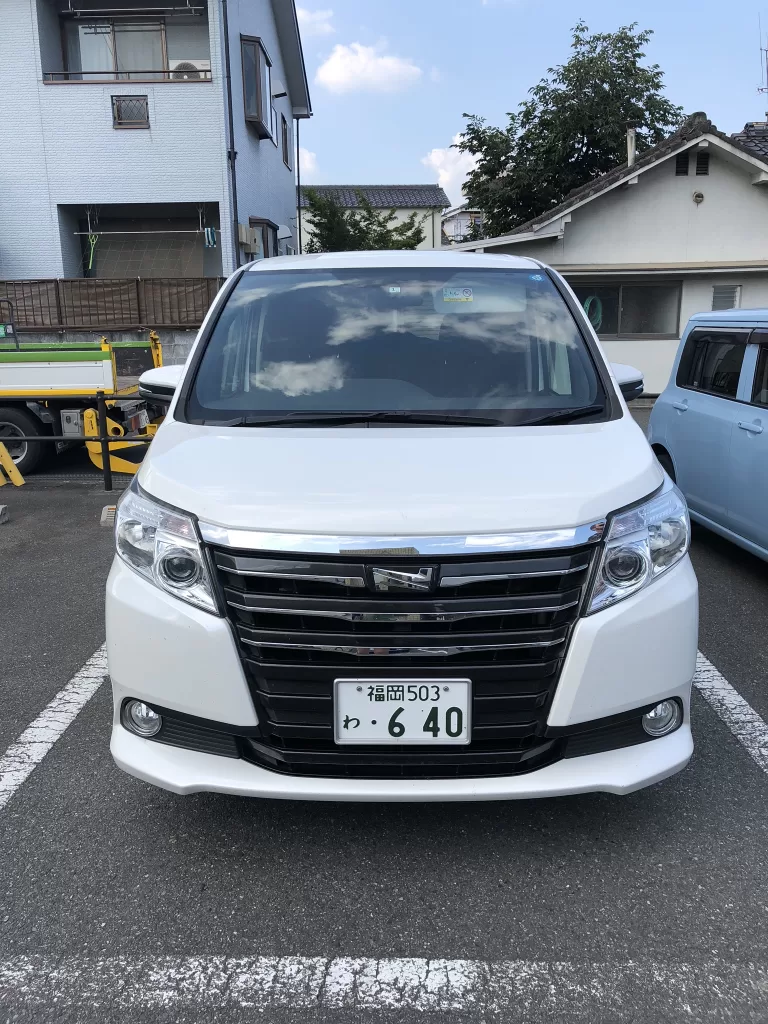
- Choose your car size wisely – large vehicles are great for large parties and lots of luggage but will hinder your ability to navigate some of the more narrow one-lane roads (and there are lots of them in the countryside)
- Add an ETC card to your reservation
- Download Google Maps and offline maps
- Carry cash and ¥100, ¥500, and ¥1,000 denominations
- Allow extra time for scenic stops
- Don’t skip Service Areas (SA), Parking Areas (PA), and Michi-no-Eki
Driving in Japan Is Easier Than Most Travelers Expect
One of the biggest concerns we hear from travelers is whether driving in Japan will be stressful or difficult. The answer surprises many people.
Outside of Japan’s largest cities, driving is remarkably orderly, courteous, and predictable. Roads are well maintained, traffic flows smoothly, and drivers are generally patient and respectful. Compared with many other countries across Asia, where traffic can feel fast paced, congested, or aggressive, driving in Japan is refreshingly calm.
Traffic laws are taken seriously, with strict enforcement of speed limits and zero tolerance for driving under the influence. That culture of respect contributes to an environment where drivers generally follow the rules and look out for one another.
After your first hour behind the wheel, you’ll likely find yourself relaxing and simply enjoying the journey.
Navigation Couldn’t Be Easier
One concern we hear frequently is: “Will I get lost?”
Fortunately, modern navigation makes driving in Japan incredibly easy. Both Google Maps and Apple Maps work exceptionally well throughout the country.
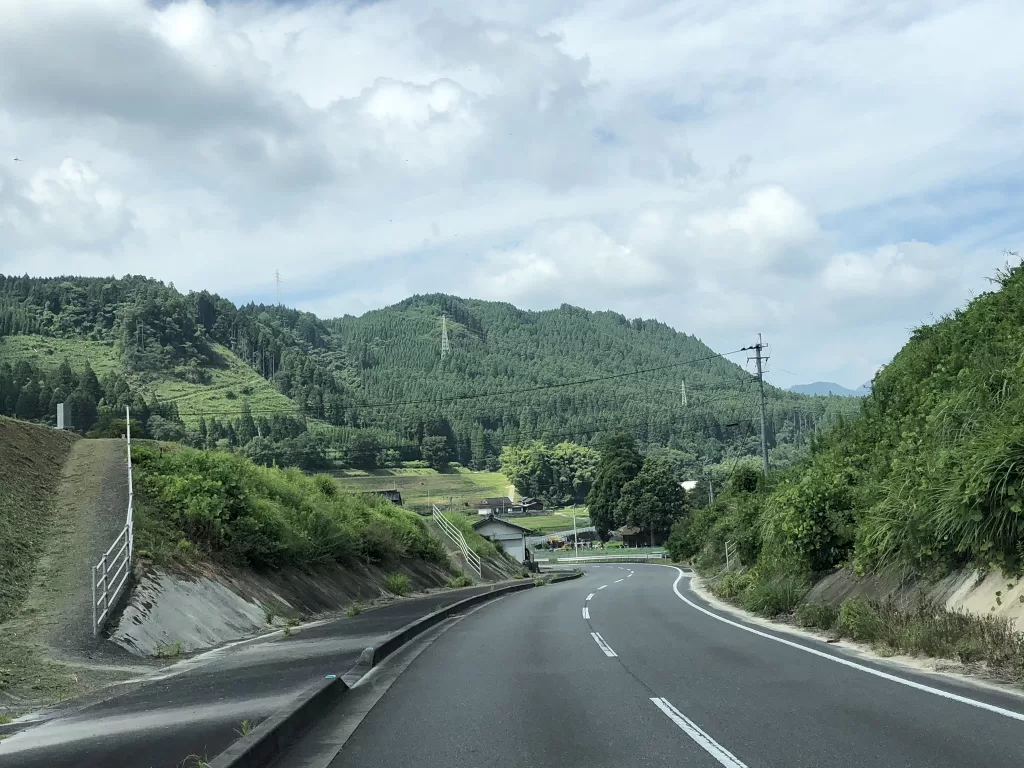
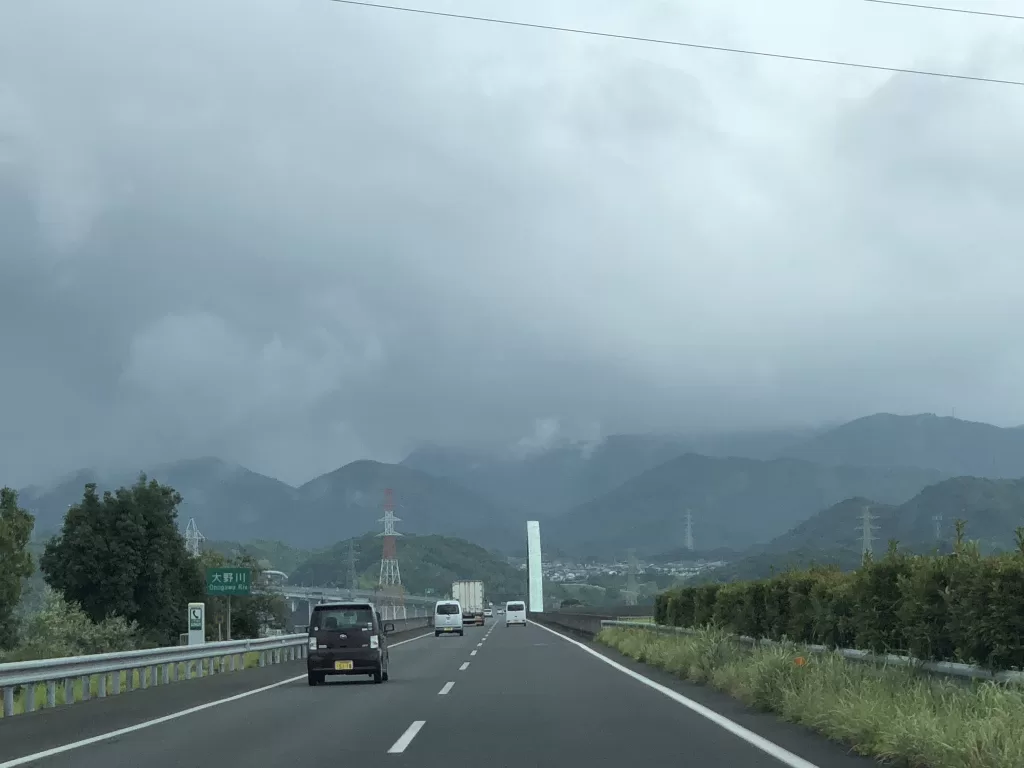
During our recent road trips, we noticed that Google Maps often suggested scenic local roads instead of toll expressways or the fastest, most direct route. While these routes sometimes take longer, they frequently reward you with beautiful countryside scenery, rivers, forests, traditional villages, and coastal landscapes that you would have completely missed on the expressway.
Sometimes the slower route becomes the highlight of the day.
Many rental cars also allow you to switch the navigation system to English, making the experience even easier for international visitors.
The Real Joy Is the Journey
One of the biggest advantages of driving in Japan isn’t simply getting from one destination to another. It’s everything in between.
You’ll discover:
- Quiet farming villages
- Terraced rice fields
- Coastal fishing towns
- Mountain forests
- Family-run cafés
- Historic shrines
- Local produce stands
- Scenic viewpoints
- Hidden onsen villages
Some landscapes feel as though they’ve been lifted straight from a Studio Ghibli film, with rolling hills, winding country roads, and peaceful scenery that invites you to slow down.
This is a side of Japan that many visitors never experience.
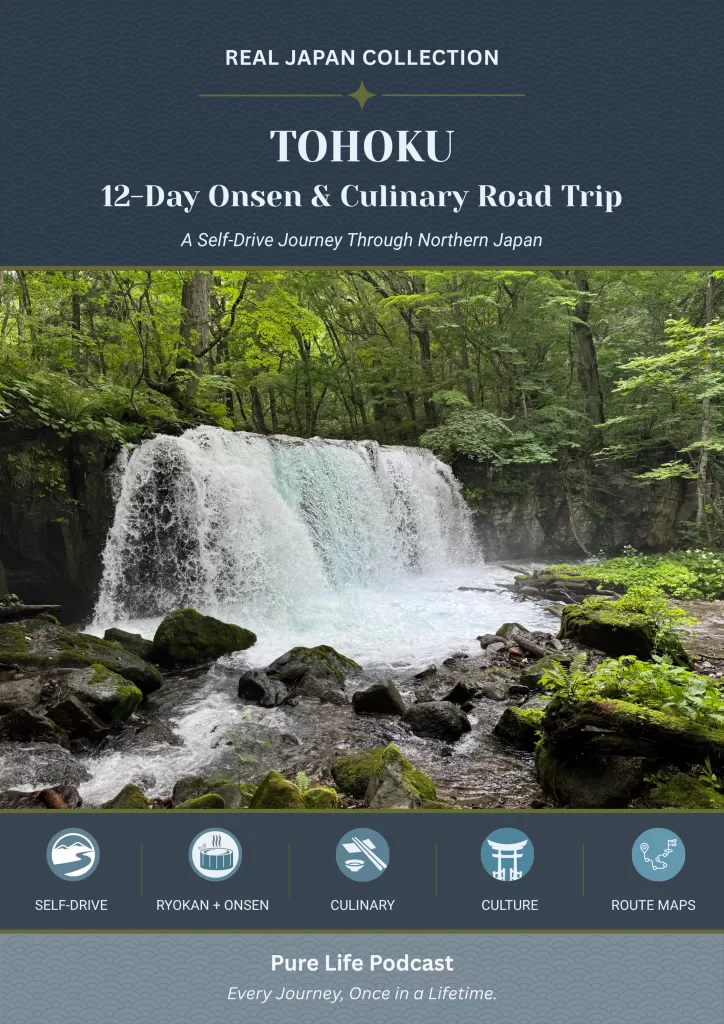
READY TO TAKE THE ROAD LESS TRAVELED?
REAL JAPAN COLLECTION | VOLUME 1: TOHOKU
12-Day Onsen & Culinary Road Trip
Explore a personally driven 12-day journey through northern Japan, beginning and ending in Tokyo, with memorable ryokan, seasonal kaiseki, extraordinary landscapes and remarkable outdoor onsen in settings from oceanfront to gorge and woodland.
The 63-page digital guide includes the route, daily maps, practical planning and firsthand details we learned from driving it ourselves.
A thoughtfully planned journey. Ready to make your own.
63 Pages · 12 Days · Tokyo + Five Tohoku Prefectures · $39 · Instant Digital Access
Service Areas and Parking Areas Are Destinations Themselves
One of our favorite surprises about driving in Japan is the country’s expressway Service Areas (SA) and Parking Areas (PA).
Forget the image of a typical highway rest stop.
Many Service Areas and larger Parking Areas are clean, modern travel hubs featuring excellent restaurants, cafés, bakeries, regional specialty foods, local souvenirs, fresh produce, and immaculate restrooms.
They’re also a wonderful introduction to each region’s unique cuisine.
We’ve enjoyed everything from fresh seafood and regional ramen to locally made desserts and seasonal specialties while simply taking a break from driving.
And don’t skip dessert.
Many Service Areas offer regional soft serve ice cream featuring local flavors like matcha, milk, citrus, lavender, melon, chestnut, or seasonal fruits unique to the area.
Some Service Areas are attractions in themselves and have become destinations we actually look forward to visiting during every road trip.
Convenience Stores Become Your Best Friend
Japan’s convenience stores make road trips remarkably easy. Whether you stop at 7-Eleven, Lawson, or FamilyMart, you’ll find:
- Clean restrooms
- Excellent coffee
- Fresh sandwiches
- Bento lunches
- Snacks
- Drinks
- ATM access
They’re reliable, convenient, and perfect for a quick break before continuing your journey.
Don’t Skip Michi-no-Eki
One of Japan’s best-kept travel secrets is the Michi-no-Eki, or roadside station. Found throughout regional Japan, these community-focused stops offer much more than parking.
You’ll often find:
- Local fruits and vegetables
- Regional specialties
- Handmade crafts
- Tourist information
- Small restaurants
- Bakeries
- Fresh seafood
- Local souvenirs
They’re an excellent way to support local communities while discovering regional foods and products you won’t find anywhere else.
Whenever we see a Michi-no-Eki on our route, we almost always stop.
Practical Tips Before You Drive
A little preparation goes a long way.
Reserve an ETC Card
Always request an ETC card when picking up your rental car.
Japan’s electronic toll collection system allows you to pass through expressway toll booths without stopping and makes driving on toll roads much more convenient.
Obtain an International Driving Permit
Most visitors need an International Driving Permit (IDP) before arriving in Japan.
Japan does not issue IDPs to tourists after arrival, so make this part of your pre-trip planning.
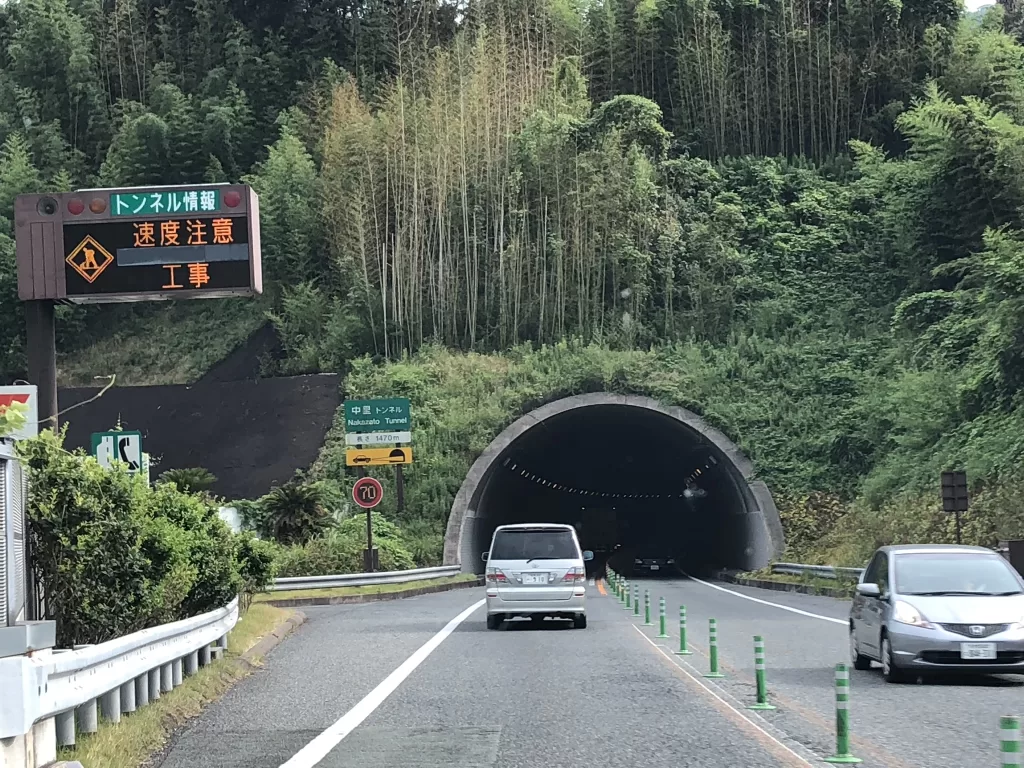
Drive on the Left
Remember that traffic drives on the left side of the road.
Take your time during your first hour and you’ll likely adjust more quickly than expected.
Watch Narrow Roads
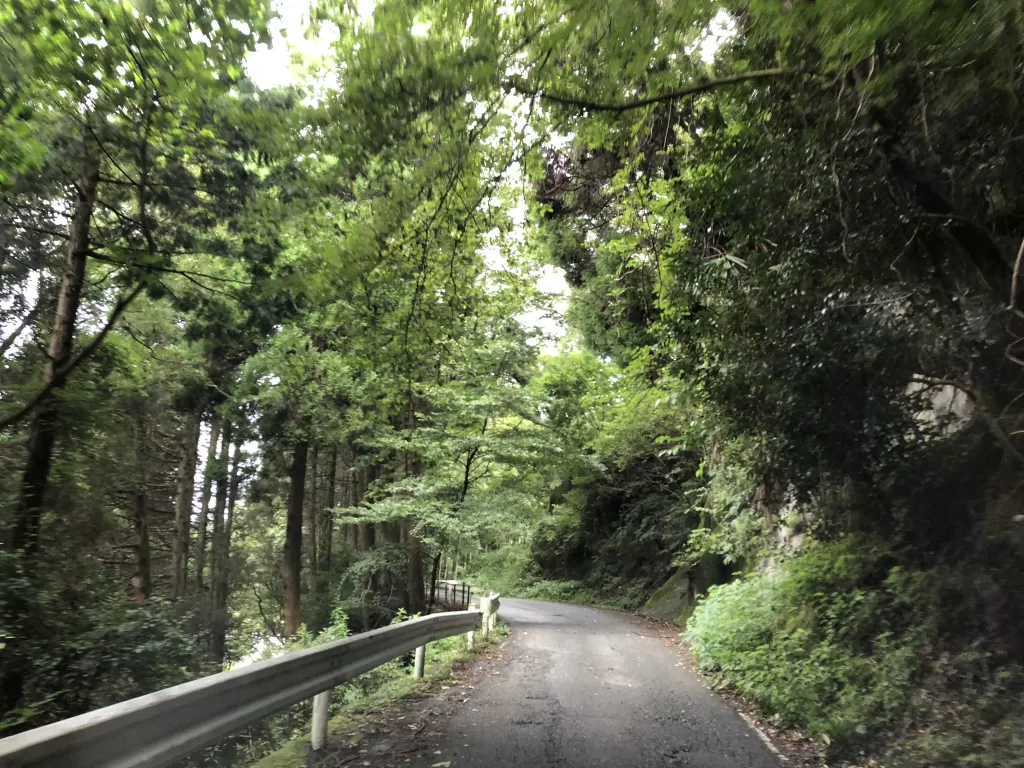
Many countryside roads become surprisingly narrow. And they are usually two-way, meaning traffic could be coming right towards you around that upcoming curve.
Drive slowly, especially around blind corners, and be prepared for oncoming traffic.
Bring Cash
Although Japan is becoming increasingly cashless, many rural restaurants still accept cash only. Parking payment machines often require cash, and some accept only ¥1,000 notes or smaller denominations.
Keeping coins and smaller bills readily available makes road trips much easier.
Gas Stations
Not every rural gas station accepts international credit cards. It’s wise to keep some cash available and avoid letting your fuel tank get too low, particularly in more remote regions where stations may be farther apart or close earlier in the evening.
Also, keeping google translate handy for pharses like “Mantan de onegaishimasu” (full tank please) is always a good rule of thumb.
Plan Around Restaurant Hours
Many local restaurants close after lunch, often around 2:00 or 2:30 p.m., before reopening around 5:00 or 5:30 p.m.
Planning your driving schedule around these hours can save you from arriving just after the kitchen has closed.
What Is the Best Time of Year for a Japan Road Trip?
Every season offers a completely different experience.
Spring is one of our favorite times to drive. Comfortable temperatures, cherry blossoms, fresh greenery, and longer daylight hours create ideal road trip conditions.
Summer brings lush forests, vibrant rice fields, colorful hydrangeas, and spectacular coastal scenery. While temperatures can be hot and humid in some areas, mountain regions and coastal routes are especially beautiful.
Autumn transforms Japan into a canvas of brilliant reds, oranges, and golds. Mountain roads, river valleys, and historic towns become some of the country’s most spectacular landscapes.
We generally don’t recommend a self-drive itinerary during the winter months, particularly if it’s your first visit to regional Japan. Heavy snowfall, icy roads, mountain pass closures, and changing weather conditions can make driving significantly more challenging. Winter can certainly be rewarding for experienced drivers equipped with appropriate vehicles and winter tires, but for most travelers, spring, summer, and autumn provide a more relaxed and enjoyable road trip experience.
Allow Time for the Unexpected
One of the biggest mistakes travelers make is trying to see too much in a single day. Driving through regional Japan invites you to slow down.
You’ll get a chance to see a side of Japan most travelers rarely if ever see, such as:
- Quiet fishing harbors.
- A roadside fruit stand.
- A centuries-old shrine.
- A breathtaking viewpoint.
- A family-run café serving lunch.
Leave room in your itinerary for these unexpected discoveries.
Some of our favorite travel memories weren’t planned—they happened simply because we had the freedom to stop.
Frequently Asked Questions
Q: Is driving in Japan difficult for foreigners?
Most travelers are pleasantly surprised by how calm and organized driving is. Well-maintained roads, courteous drivers, reliable navigation apps, and clear signage make it much easier than many people expect.
Q: Do I need a car for Tokyo, Kyoto, or Osaka?
Usually not. Public transportation is excellent and often more convenient than driving in Japan’s largest cities.
Q: Do I need an International Driving Permit?
Yes. Most visitors need an International Driving Permit issued in their home country before arriving in Japan.
Q: Is Google Maps reliable in Japan?
Absolutely. Both Google Maps and Apple Maps work very well throughout Japan. We often enjoy Google’s scenic routing when time allows.
Q: Should I rent a car for rural Japan?
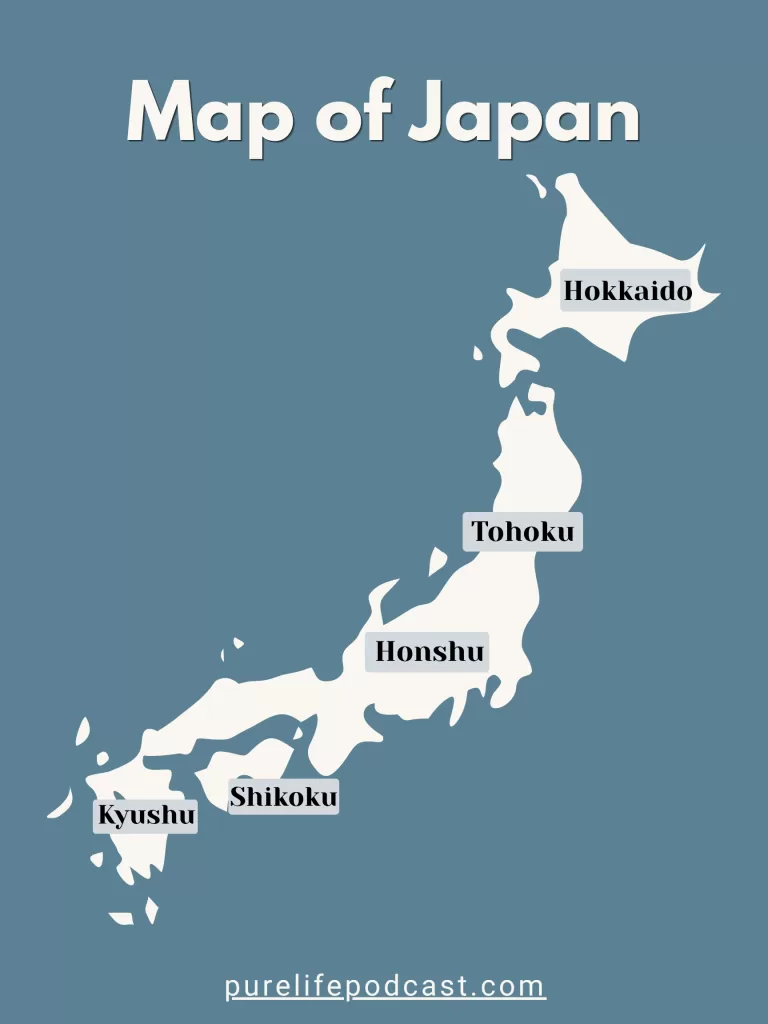
Yes. If you’re planning to explore regions such as Tohoku, Shikoku, Kyushu, the Japanese Alps, or other countryside destinations, renting a car offers unmatched flexibility and access to places that public transportation often can’t reach easily.
Purelifepodcast Tips
- We almost always rent a car when exploring regional Japan because it gives us the freedom to experience places that trains simply can’t reach conveniently.
- Don’t automatically choose the fastest route in Google Maps. Scenic local roads often become one of the highlights of the journey.
- Reserve your rental car and ETC card well in advance, especially during cherry blossom season and autumn foliage.
- Carry a supply of ¥100 and ¥500 coins along with ¥1,000 notes for parking, vending machines, and family-run restaurants.
- Stop at Service Areas, Parking Areas, and Michi-no-Eki whenever you can. They’re part of the experience, not just a place to stretch your legs.
- Build flexibility into your schedule. The best moments are often the ones you never planned.
Planning your own regional Japan road trip?
Explore our Real Japan Collection: Tohoku 12-Day Onsen & Culinary Road Trip, a 63-page digital guide based on a journey we researched, drove and refined ourselves.
Explore the Tohoku Guide →
📖 Explore more:
- Discover Tohoku: A First Look at Japan’s Scenic Northern Region
- Beyond Tokyo, Kyoto & Osaka: Discover the Real Japan Most Travelers Never See
- Where to Stay in Hakone: Ryokans, Onsens & Scenic Escapes
- Best Area to Stay in Tokyo + Where to Avoid
- Tokyo Hotels by Purpose
- Oirase Gorge Japan Travel Guide
- Tokyo’s Best Food Is Underground – Depachika
- Hidden Wellness Oasis in Tokyo: Toyosu Manyo Club
- 12 Best Day Trips From Tokyo by Train Not To Miss
- Exploring Japan in 2026: The Year of Immersive and Culturally Significant Adventures
Every Journey, Once in a Lifetime.
Happy planning and safe travels.
Disclaimer: Our blog contains affiliate links, which means we may earn a small commission at no additional cost to you when you make a purchase through these links. Additionally, please be aware that all information on our blog is subject to change. We recommend checking the respective company websites for the most up-to-date information on hours of operation, locations, costs, etc..before planning your visit. Thank you for your support and understanding!