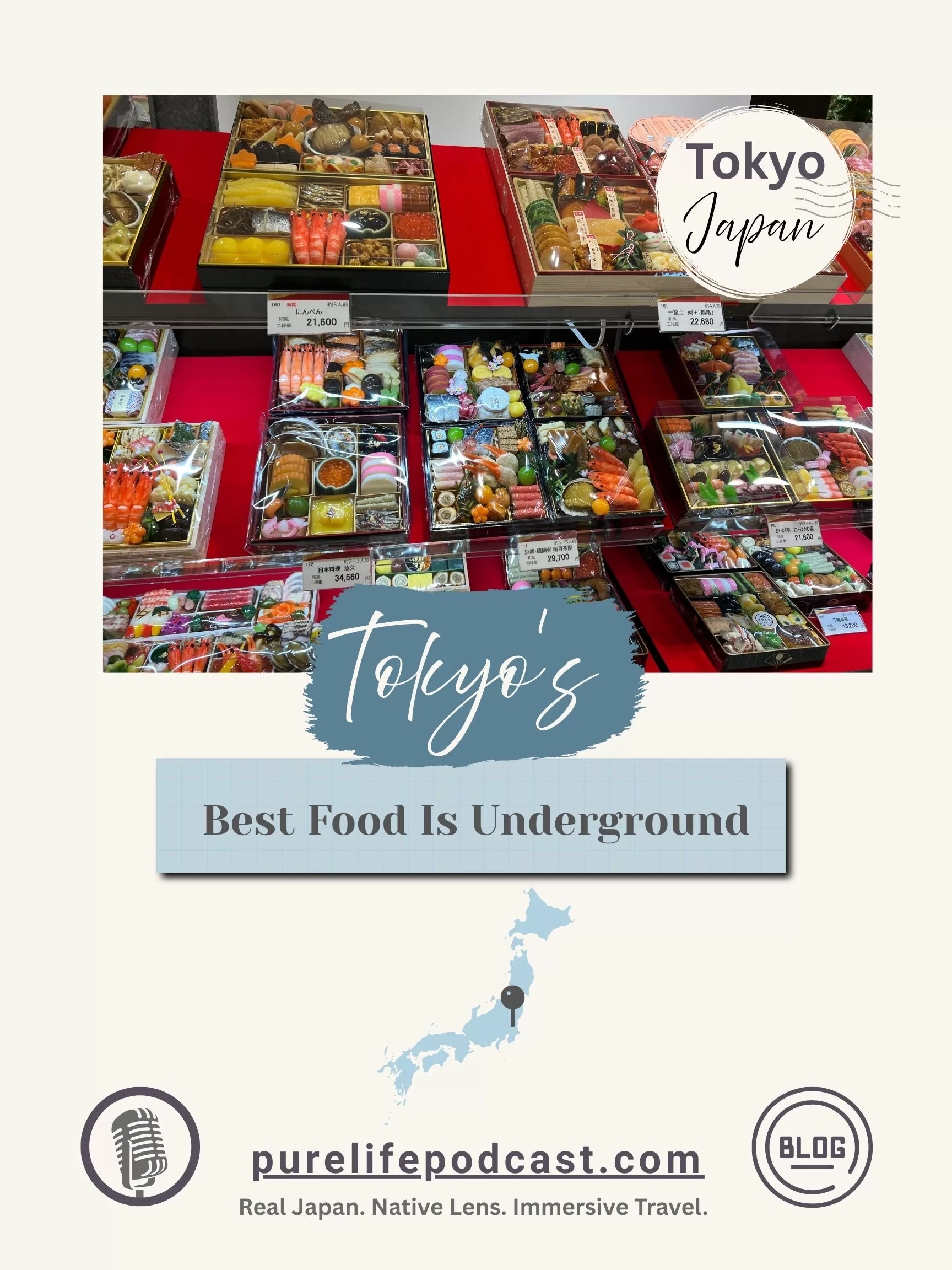
Department Store Basements Through a Native Lens
🍜 Food-Driven Travel · 🇯🇵 Real Japan (Native Lens)
Tokyo’s Real Food Culture Happens Underground
When people imagine eating in Tokyo, they picture ramen counters, sushi bars, or Michelin-starred restaurants. But how Tokyo actually eats—where locals stop after work, how families choose dinner, how seasonality quietly shapes daily life—happens underground.
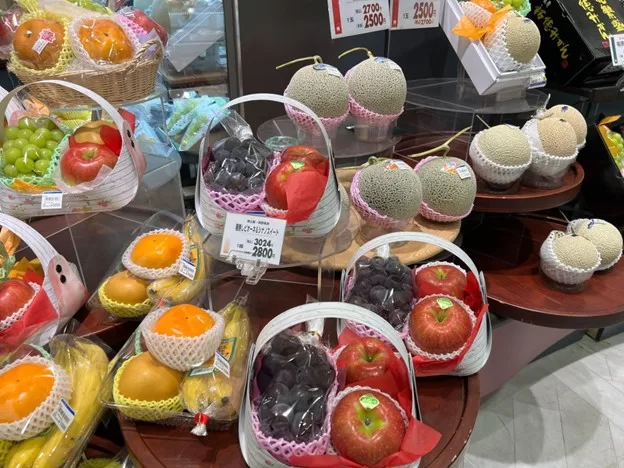
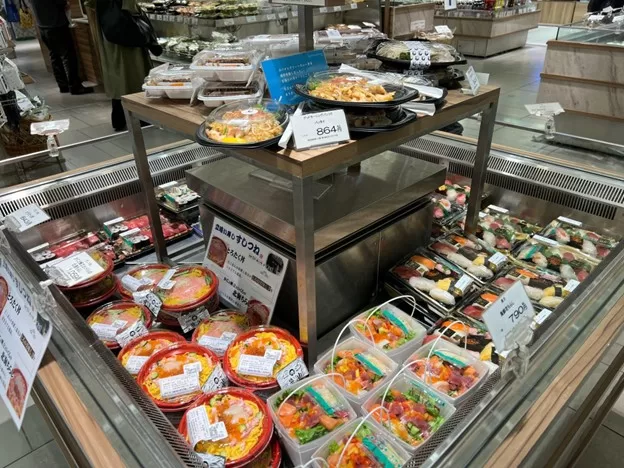
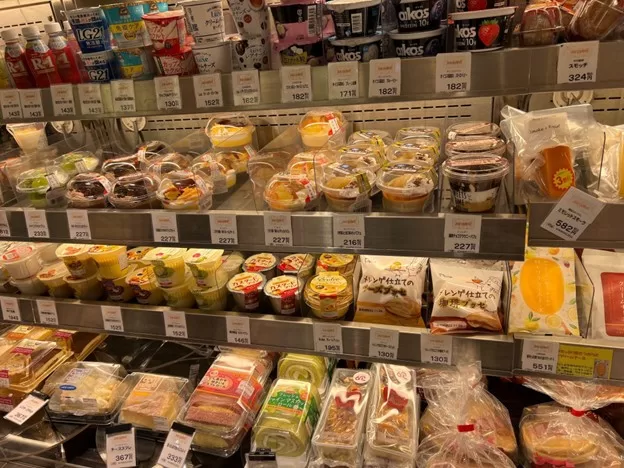
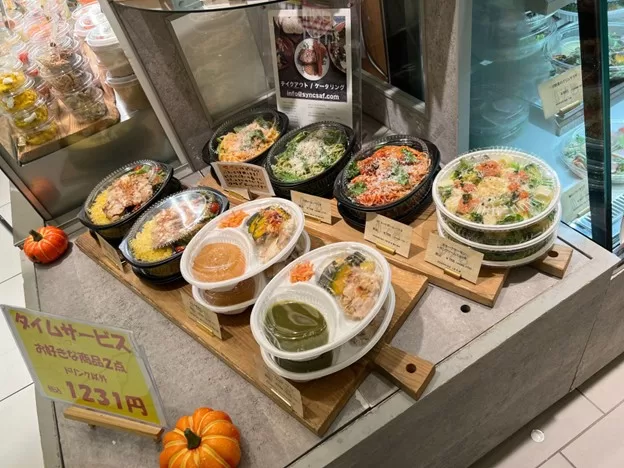
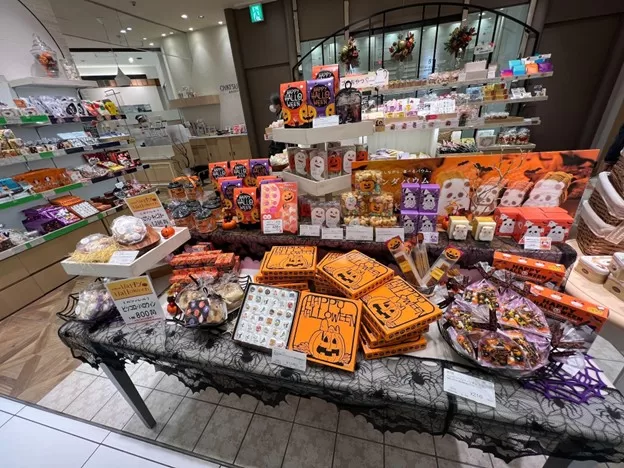
Tokyo’s department store basements, known as depachika (デパ地下), are one of the most immersive and authentic food experiences in Japan. They are not tourist attractions. They are part of everyday life.
As someone born and raised in Tokyo, depachika are where food, culture, and routine intersect. And for travelers seeking Real Japan through a native lens, this is one of the easiest ways to experience it naturally.
Related read: Immersive Experiences in Tokyo: Unique & Modern Things to Do

Table of Contents
What Is Depachika (and Why It Matters)
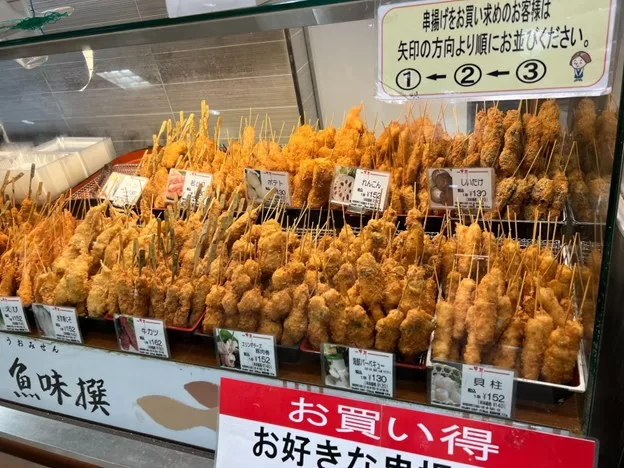
Depachika are not food courts. They are carefully curated food floors found in nearly every major department store, built around:
- Fresh daily meals
- Seasonal Japanese ingredients
- Regional specialties from across Japan
- Impeccable presentation and packaging
- A strong culture of food as gifting
This is where locals buy dinner on the way home, select gifts for friends and colleagues, and experience Japan’s deep respect for seasonality and craftsmanship. This is where you will find what is meant when we say Tokyo’s best food is underground.
You’ll notice the same attention to detail found in other uniquely Japanese experiences—like bathing culture and wellness rituals.
Tokyo’s Best Food Is Underground: Where to Experience
Ikebukuro: Everyday Tokyo Food Culture
If you want depachika that feels deeply local, Ikebukuro is one of the best places to start. Both Seibu and Tobu department stores connect directly to Ikebukuro Station and serve as daily shopping hubs for Tokyo residents.
What you’ll notice:
- Families who choose dinner after work and school
- Large prepared-food counters
- Excellent bakery sections
This kind of food culture mirrors what we love about Osaka—where great food is part of everyday life, not a special occasion. Here you can truly experience the essence of Tokyo’s best food is underground with each food item perfectly presented and ready for consumption.
🏮📖 Related: 2-Day Osaka Food Itinerary: Iconic Eats, Hidden Gems & Local Favorites
At Ikebukuro Station, look for Seibu on the east side and Tobu on the west side. Seibu’s food halls occupy B1 and B2, and hours vary by day. Check the Seibu food hall hours and Tobu access information before visiting.
Tokyo Station: Food Designed for Travel
Tokyo Station is far more than a transit hub, it’s one of the city’s most underrated food destinations. It’s the epitome of Tokyo’s best food is underground, offering areas (including Gransta) packed with:
- Bento boxes designed specifically for train journeys
- Regional specialties from across Japan
- High-quality takeaway meals
- Famous sweets perfect for gifting
If you’re planning to explore beyond Tokyo, picking up a bento here is an easy way to prepare for your train ride.
🔗 Plan ahead: 12 Best Day Trips from Tokyo by Train
Mitsukoshi, Isetan & Takashimaya: Tradition Meets Craft
For a more refined depachika experience, head to department stores in Ginza, Nihonbashi, or Shinjuku. Here you will find some of the best of our Tokyo’s best food is underground offerings. These basements emphasize:
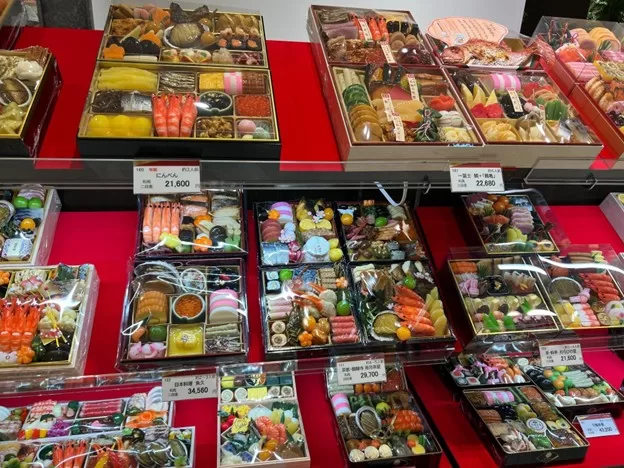
- Traditional Japanese dishes
- Seasonal menus that change frequently
- Exceptional ingredient quality
- Elegant presentation
This style of food aligns beautifully with comfort-luxury travel – quality without flash.
🔗 Helpful planning reads: Best Area to Stay in Tokyo + Where to Avoid
At Tokyo Station: Gransta Tokyo spans the first floor and B1, with shops inside the JR ticket gates. Check the map before entering if you’re just stopping by for food.
For department store food halls: Look for Isetan Shinjuku, Ginza Mitsukoshi, and the separate Nihonbashi Mitsukoshi and Nihonbashi Takashimaya stores. Check the exact branch and floor before setting out. See the Isetan and Mitsukoshi store directory.
How to Visit Depachika Like a Local
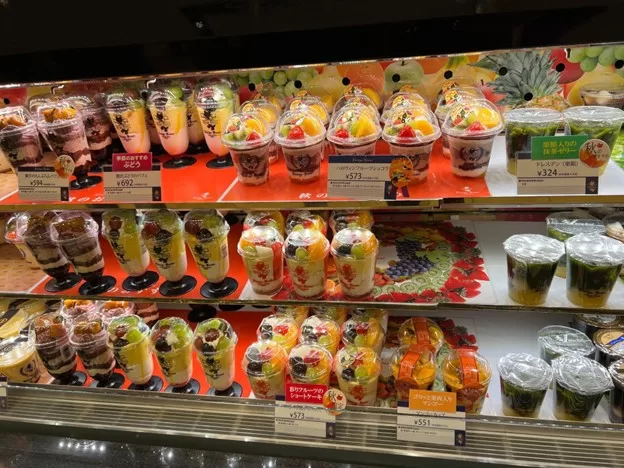
A few insider tips from a Tokyo native:
- Visit between 5:30–7:00 pm for peak atmosphere
- Look for discount stickers later in the evening (completely normal in Japan)
- Build a meal from multiple counters
- Observe how locals shop—it’s part of the experience
Depachika are perfect for travelers who enjoy authentic, immersive discovery without reservations or rigid schedules.
How Depachika Fits into a Real Tokyo Itinerary
Department store basements pair beautifully with:
- Shopping days in Ginza, Shinjuku, or Ikebukuro
- Visiting Asakusa & Tokyo Skytree
- Evening onsen or spa visits
- Quiet hotel dinners after busy sightseeing days
They’re also incredibly family-friendly- flexible, approachable, and consistently high-quality.
✍️ Planning your route: Tokyo in 4 Days: Your Ultimate Itinerary
Most purchases are packed to take away. Use designated seating where available, or bring your food back to your hotel. For a morning food stop, see our Tokyo bakery guide.
Where to Stay Near Tokyo’s Depachika
Choose a hotel near the food hall you expect to use most. Compare stays near Tokyo Station, Shinjuku, Ginza, Nihonbashi, Ikebukuro. For more ideas by travel style, see Tokyo Hotels by Purpose.
🏨 Isetan Shinjuku
- Hotel: Hotel Gracery Shinjuku / Park Hyatt Tokyo (farther west in Shinjuku)
- Why it works: One of Tokyo’s most famous depachika, incredible food and gifting options
- Best for: First-time Tokyo visitors, food lovers, shoppers
🏨 Mitsukoshi Nihonbashi
- Hotel: Mandarin Oriental Tokyo (near Nihonbashi Mitsukoshi)
- Why it works: Traditional, refined depachika with strong seasonal focus
- Best for: Comfort-luxury travelers, couples, cultural travelers
🏨 Takashimaya Nihonbashi
- Hotel: Shangri-La Tokyo (near Tokyo Station)
- Why it works: A food hall in Nihonbashi within walking distance of the Tokyo Station area
- Best for: Families, train travelers, logistics-free stays
🏨 Seibu Ikebukuro
- Hotel: Hotel Metropolitan Tokyo Ikebukuro (on the west side of Ikebukuro Station, across the station from Seibu)
- Why it works: Very local, everyday depachika with excellent prepared foods
- Best for: Immersive travelers who want fewer tourists
🏨 Tobu Ikebukuro
- Hotel: Sunshine City Prince Hotel (in Sunshine City, a separate complex east of the station)
- Why it works: Easy access, large food selection, family-friendly
- Best for: Families, longer stays
🏨 Ginza Mitsukoshi
- Hotel: Millennium Mitsui Garden Hotel Tokyo (near Ginza Mitsukoshi and Higashi Ginza Station)
- Why it works: Elegant depachika + prime Ginza location
- Best for: Shoppers, couples, design lovers

Plan Your Stay Near Tokyo’s Food Halls
For easy food shopping before a train, check rates for your dates near Tokyo Station.
Guided Food Experiences in Tokyo
You can browse depachika independently. If you’d like a guided tasting elsewhere in Tokyo, browse Tokyo food tours and check each itinerary for the neighborhoods and tastings included.
Planning a Food-Driven Japan Trip?
🏮📖 These posts pair perfectly together:
Plan a Food Focused Japan Trip
Still choosing where to go after Tokyo? Get our free Japan Trip Planner to compare six trip styles and find one that fits how you like to travel.
For practical arrival tips, listen to our Japan Survival Guide podcast episode.
TOKYO + TOHOKU: PLAN BOTH IN ONE TRIP
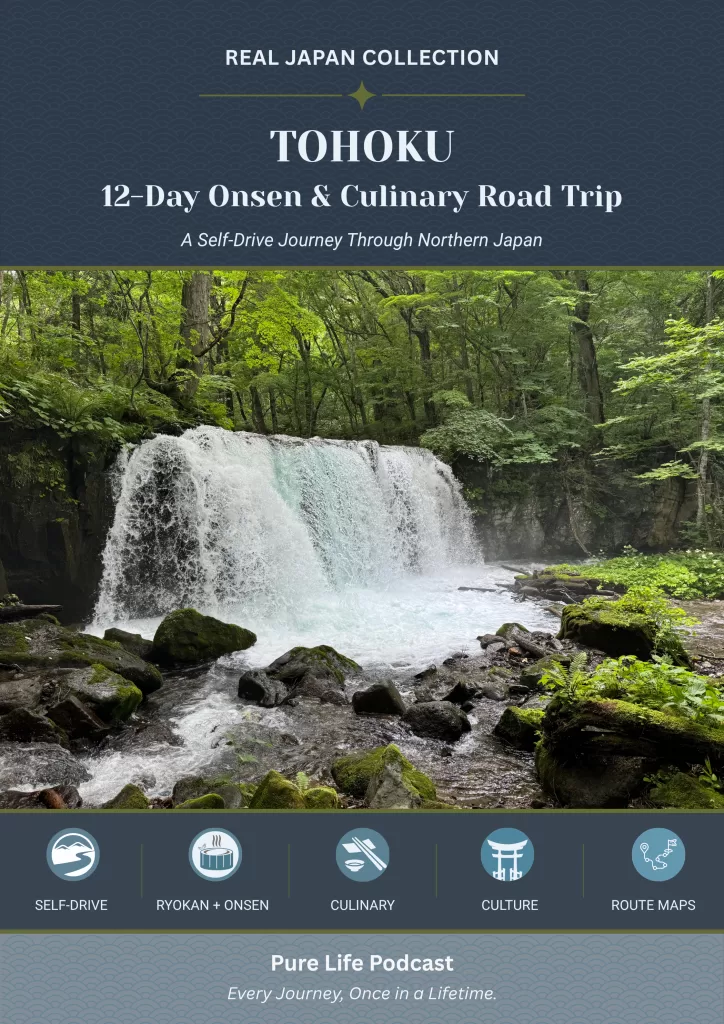
REAL JAPAN COLLECTION | VOLUME 1: TOHOKU
12-Day Onsen & Culinary Road Trip
If Tohoku sounds like the side of Japan you’ve been looking for, we’ve already researched, driven and refined a journey to help you experience it.
Our 63-page digital travel guide combines Tokyo with a personally experienced 12-day self-drive journey through five Tohoku prefectures bringing together memorable ryokan, seasonal kaiseki, extraordinary landscapes, cultural experiences and remarkable outdoor onsen in settings from oceanfront to gorge and woodland.
Inside, you’ll find the route, daily maps, featured stays and alternatives, practical driving guidance, local discoveries and the firsthand planning details we learned along the way.
A thoughtfully planned journey. Ready to make your own.
EXPLORE THE TOKYO + TOHOKU GUIDE →
63 Pages · 12 Days · Tokyo + Five Tohoku Prefectures · $39 · Instant Digital Access
Tokyo’s Best Food Is Underground: Final Thoughts
Department store basements may not look like a “must-see attraction,” but they capture something far more meaningful – how Tokyo actually lives, eats, and moves through the day. Depachika are where convenience meets craftsmanship, where seasonality quietly shapes meals, and where everyday food is treated with care and respect.
For travelers who want more than checklists – who want to feel Japan rather than rush through it — this is one of the simplest and most authentic ways to connect with the city. Slow down, observe, sample, and let Tokyo reveal itself in the details. This is Real Japan, hiding in plain sight. And this is why we say Tokyo’s Best Food Is Underground.
Every Journey, Once in a Lifetime.
Safe travels.
Disclaimer: Our blog contains affiliate links, which means we may earn a small commission at no additional cost to you when you make a purchase through these links. Additionally, please be aware that all information on our blog is subject to change. We recommend checking the respective company websites for the most up-to-date information on hours of operation, locations, costs, etc..before planning your visit. Thank you for your support and understanding!