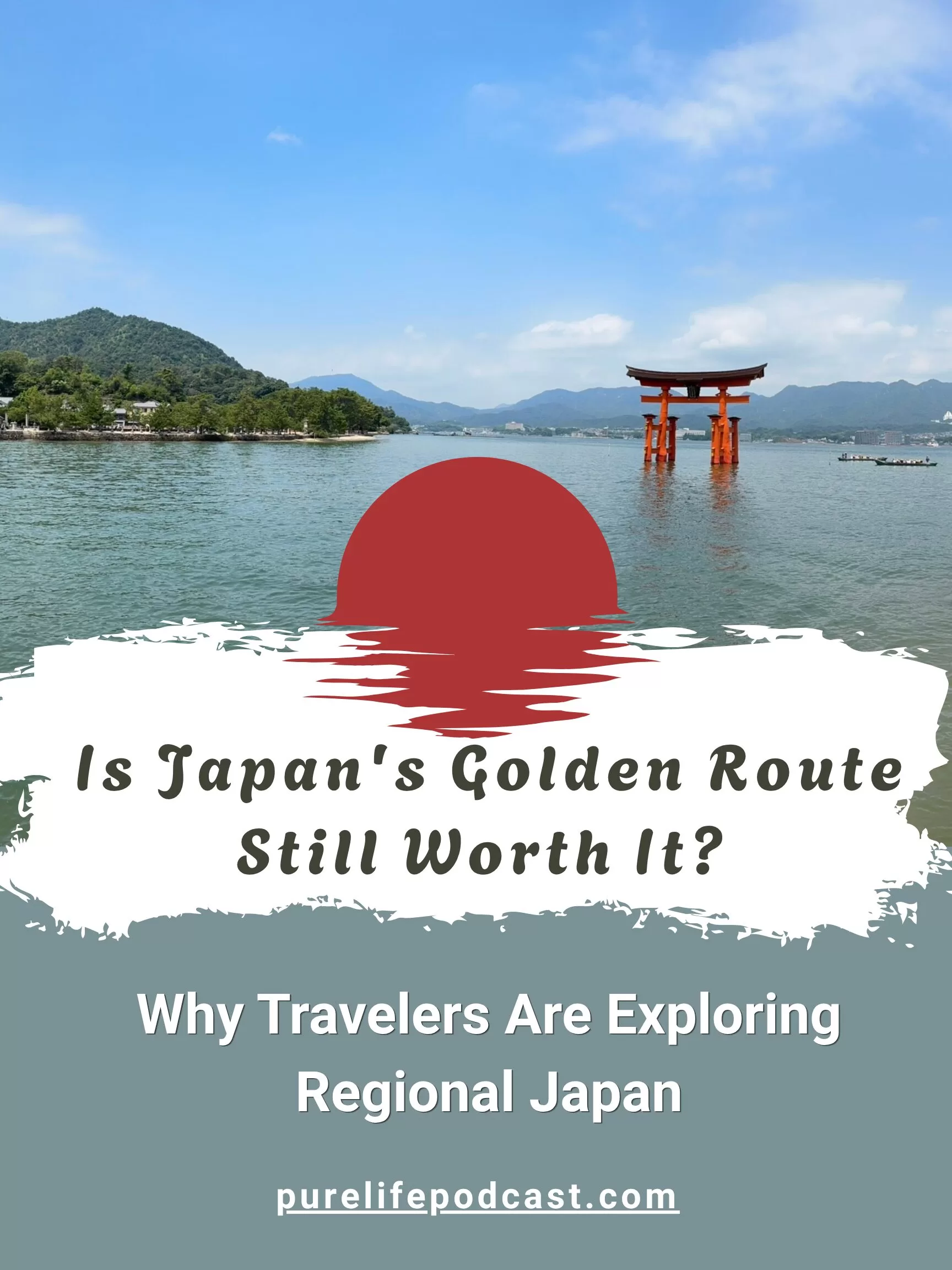
Millions of travelers dream of visiting Japan, and for good reason. Tokyo dazzles with its energy, Kyoto captivates with its temples, and Osaka delights with unforgettable food. Together, they form the famous Golden Route, the itinerary that introduces many visitors to Japan for the very first time.
But after spending decades exploring Japan, both as a Tokyo native and through countless journeys across the country, we’ve learned something important: the Golden Route introduces you to Japan but exploring regional Japan helps you understand it.
If you’re planning your first trip, or wondering whether a second or third visit should take you beyond Tokyo and Kyoto, this guide will help you decide which style of travel is right for you.
Table of Contents
Japan’s Golden Route Is Famous for Good Reason
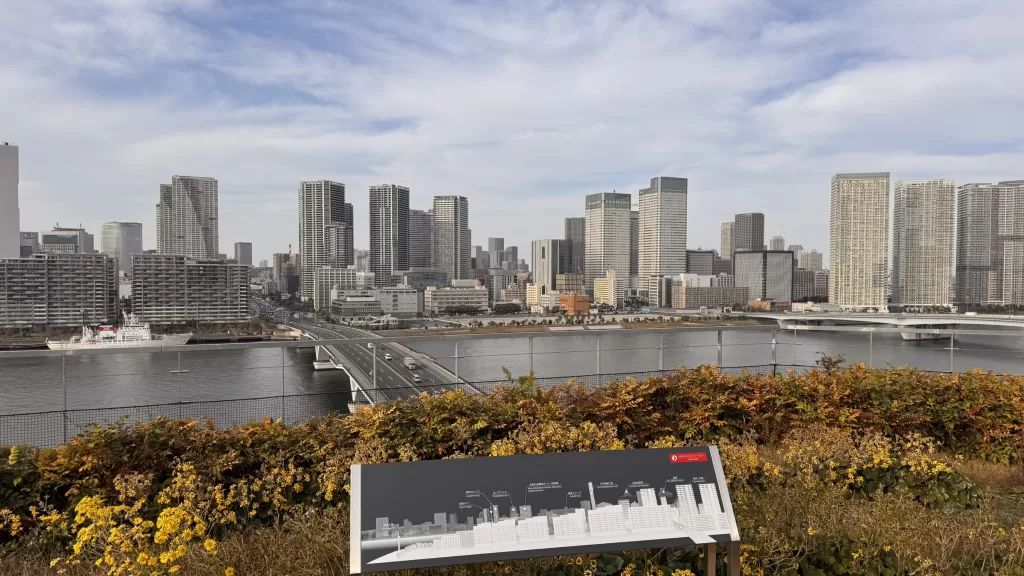
Let’s start with something that often gets overlooked. Visiting Japan’s Golden Route is absolutely worth it. In fact, we still recommend it to many first-time visitors.
Tokyo offers an exciting introduction to modern Japan. Kyoto preserves centuries of history while Osaka delivers world-class food and an energetic atmosphere that makes it one of Asia’s great culinary cities. These destinations have earned their reputation.
You’ll find iconic attractions like the crossing at Shibuya, the historic streets of Gion, Osaka Castle, vibrant shopping districts, exceptional museums, and some of the finest restaurants anywhere in the world.
For travelers with limited vacation time, visiting these cities provides an outstanding introduction to Japan.
The challenge isn’t that the Golden Route isn’t worth visiting. The challenge is that many travelers assume this is all Japan has to offer. Nothing could be further from the truth.
Exploring Regional Japan Most Visitors Never Experience
Japan stretches nearly 2,000 miles from north to south, encompassing diverse climates, regional cuisines, dramatic coastlines, volcanic landscapes, mountain ranges, historic castle towns, remote islands, and thousands of hot springs.
Each prefecture has developed its own identity over centuries.
- Different dialects.
- Different culinary traditions.
- Different festivals.
- Different craftsmanship.
- Different rhythms of daily life.
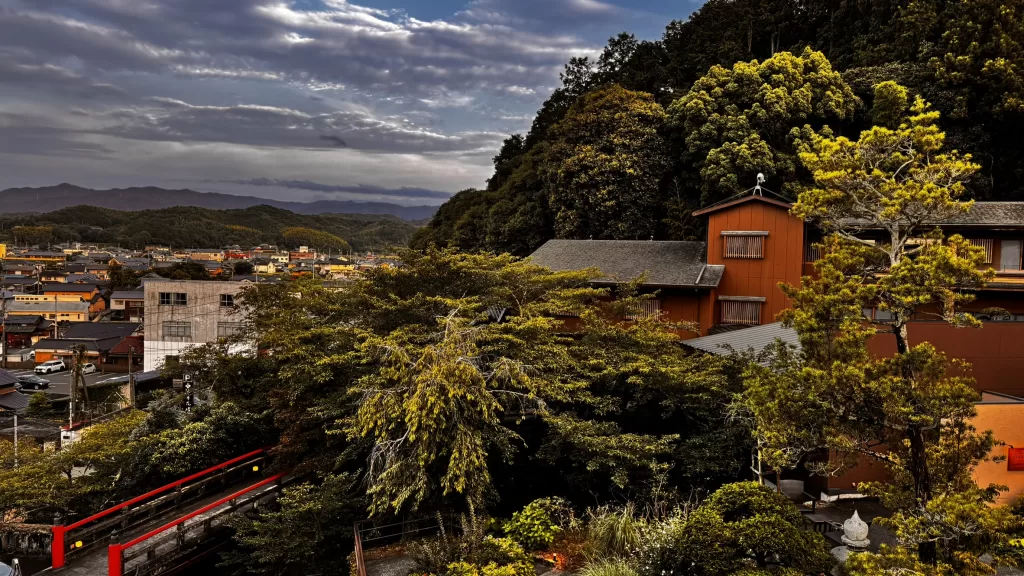
When you start traveling just outside Japan’s major cities and you’ll begin noticing subtle but meaningful changes. Train stations become smaller. The crowds disappear. Family-owned businesses replace international brands. Meals become intensely regional.
Instead of checking famous landmarks off a list, you begin experiencing everyday Japan. That’s the Japan we’ve increasingly fallen in love with.
Purelifepodcast Tip
One of the biggest misconceptions about Japan is that every memorable experience happens in Tokyo or Kyoto. Some of our favorite memories, including unforgettable ryokan stays, scenic coastal drives, private outdoor onsens, and extraordinary regional cuisine, have come from places many international visitors have never heard of before planning their trip.
Why Travelers Are Looking Beyond the Golden Route
Japan welcomed record numbers of international visitors in recent years, bringing renewed energy to its tourism industry. That popularity has also created new challenges.
- Popular temples can become crowded shortly after opening.
- Reservations at sought-after restaurants disappear weeks in advance.
- Well-known photo locations often have lines of visitors waiting for the same picture.
- Hotels in major tourist districts frequently command premium prices during peak travel seasons.
None of this diminishes the beauty of these destinations. It simply changes the experience and is the main reason regional tourism has become such an important focus within Japan itself.
Communities across the country are encouraging visitors to explore lesser-known regions, helping distribute tourism more sustainably while introducing travelers to destinations that have always deserved attention.
For visitors, it’s a wonderful opportunity. Rather than following the exact same itinerary as millions of other travelers, you can create an experience that feels uniquely your own.
Why You Should Chose Exploring Regional Japan
As our travels throughout Japan continued, we found ourselves asking a simple question: What lies beyond the destinations everyone already knows?
That question led us through the mountains of Tohoku, along the dramatic coastlines of Kyushu, across the islands of Shikoku, into traditional hot spring towns, and to extraordinary ryokan where hospitality felt deeply personal rather than transactional.
Each journey reinforced the same realization: Japan becomes even more memorable when you venture further into the interior.
Discovering the Japan Few Visitors Know Exists
Our first trips through Japan looked much like many travelers’ itineraries. We explored Tokyo’s neighborhoods and admired Kyoto’s rich history and numerous temples. Every visit reinforced why these cities have become icons of international travel.
As a Tokyo native, I had always known there was far more to Japan than its largest cities. Yet even I hadn’t experienced many of the country’s lesser-known regions in depth. So instead of returning to familiar destinations, we started asking ourselves a different question: What if we spent our vacation exploring places most visitors simply drive past—or never reach at all?
That decision changed the way we travel.
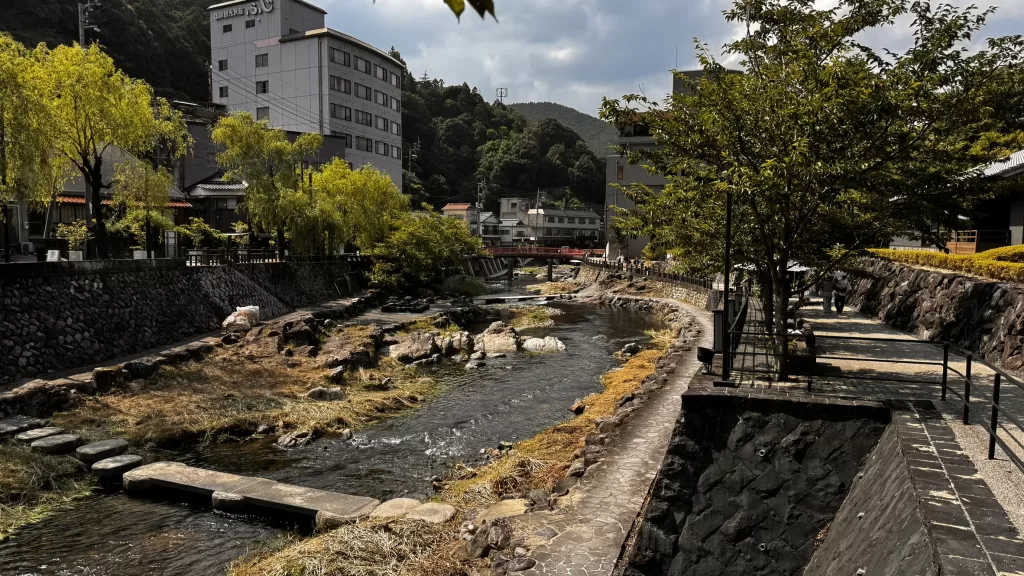
Today, some of our favorite memories come not from Japan’s most famous attractions, but from quiet villages, winding mountain roads, hidden hot spring towns, dramatic coastlines, and family-run ryokan where hospitality feels deeply personal.
These are the places that transformed Japan from a destination we loved into a country we continue discovering.
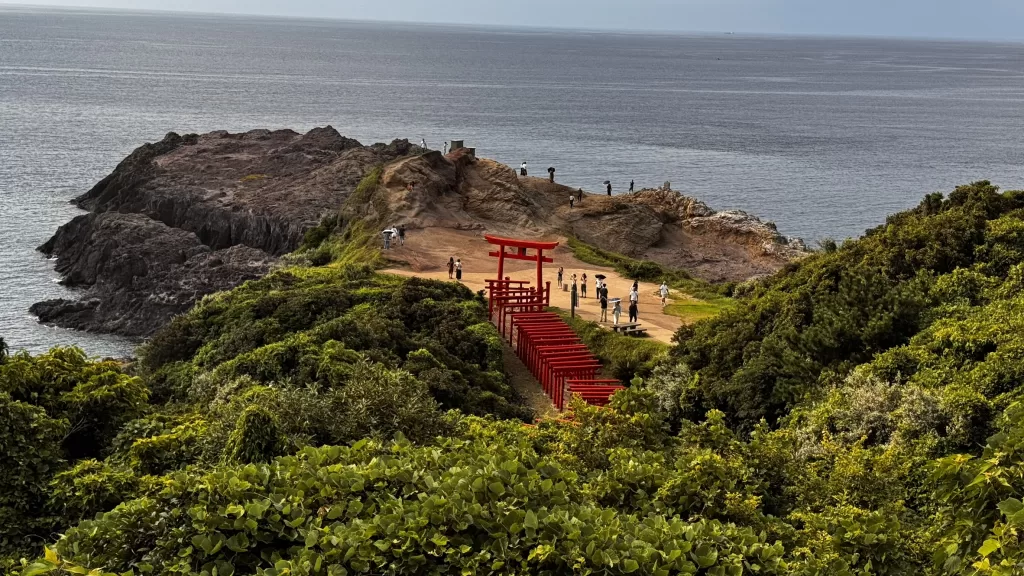
Exploring Regional Japan Isn’t “Less Than” the Golden Route
One misconception we often hear is that regional Japan is simply a quieter version of Tokyo or Kyoto. It isn’t.
Regional Japan offers an entirely different style of travel. The emphasis shifts toward landscapes, local traditions, craftsmanship, local cuisine, wellness, and slowing down enough to appreciate everyday life.
Rather than rushing between famous landmarks, your day might include:
- soaking in a mountainside onsen overlooking forests,
- exploring a 400-year-old samurai district,
- hiking mountain trails to reach secluded temples,
- enjoying an elaborate kaiseki dinner prepared almost entirely from regional ingredients.
The destination becomes less about checking boxes and more about how the journey makes you feel. That’s the kind of travel we believe stays with you long after you’ve unpacked your suitcase.
Every Region Has Its Own Story
One of the things we appreciate most about traveling through Japan is how dramatically each region changes. It’s easy to think of Japan as one destination. In reality, it feels like dozens of distinct destinations connected by extraordinary infrastructure.
Travel north into Tohoku, and you’ll find dramatic mountain scenery, some of Japan’s finest hot springs, historic castle towns, and a pace of life that feels wonderfully unhurried.
Head west toward Southern Honshu, where rugged coastlines, fishing villages, spectacular rock formations, and exceptional seafood begin to define the experience.
Cross into Shikoku, and you’ll discover quiet pilgrimage routes, deep river valleys, traditional crafts, and charming towns that rarely appear in mainstream guidebooks.
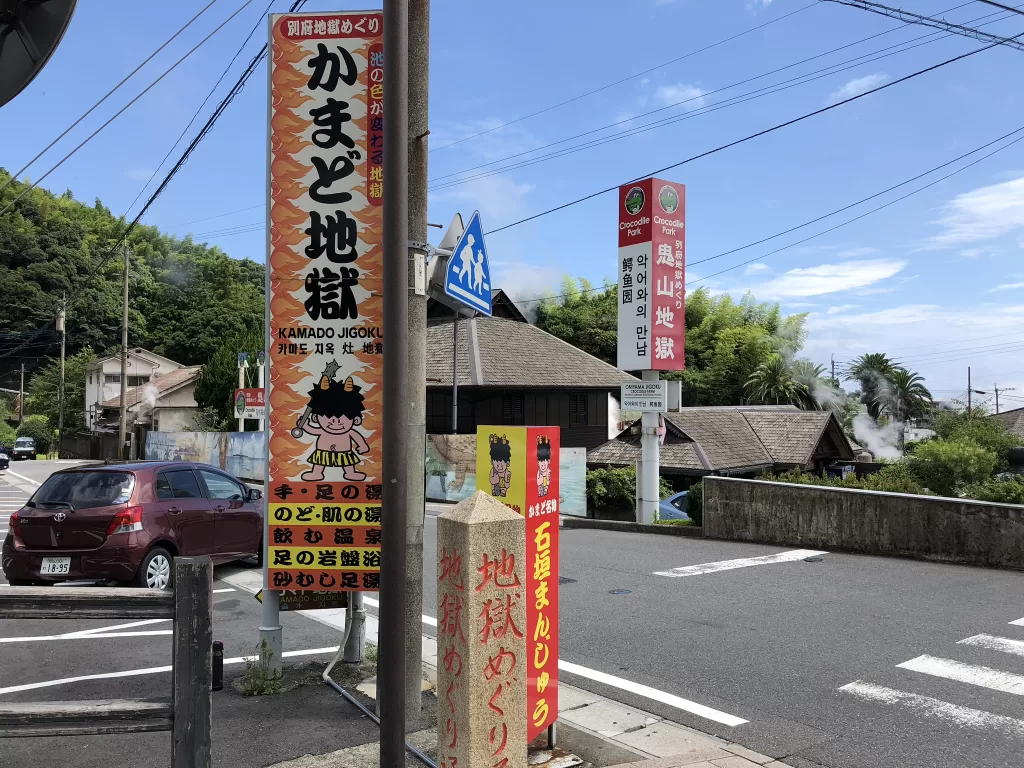
Continue south into Kyushu, and volcanic landscapes, steaming hot spring towns, lush forests, and some of Japan’s richest culinary traditions await.
Each region offers something entirely different. That’s one of the reasons we encourage travelers not to think about visiting “Japan.” Instead, think about discovering immersive Japan.
Purelifepodcast Tip
If you’re returning to Japan for a second or third visit, resist the temptation to simply add more days in Tokyo or Kyoto. Instead, choose one new region and immerse yourself there. You’ll experience a side of Japan that many visitors never realize exists.
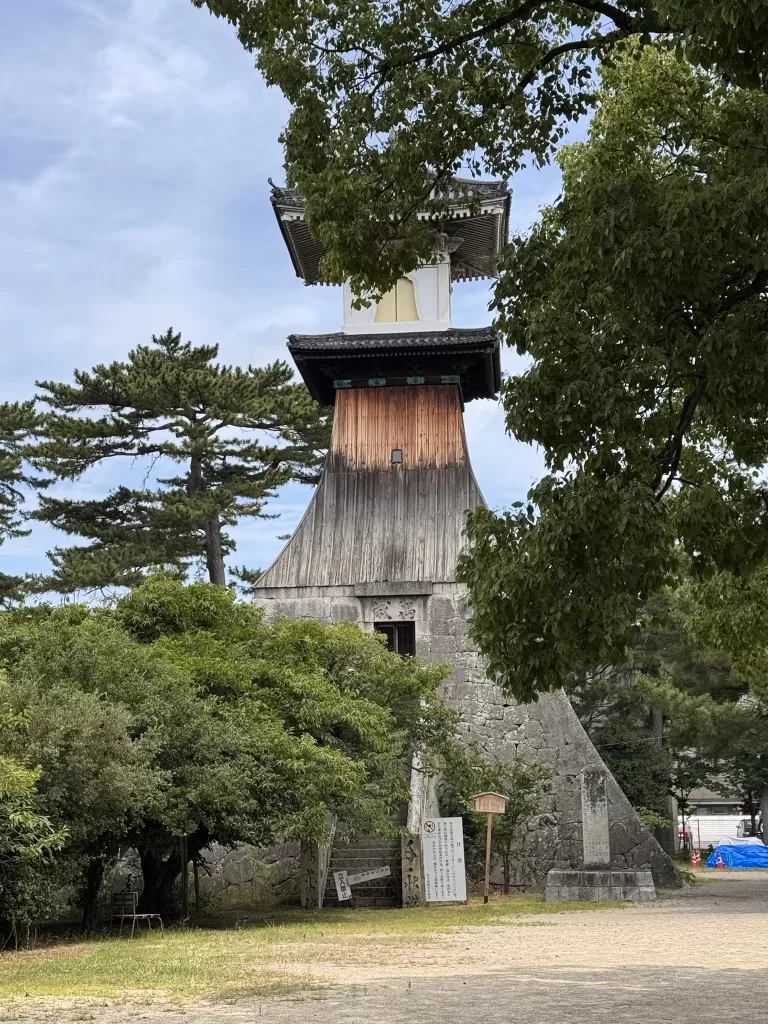
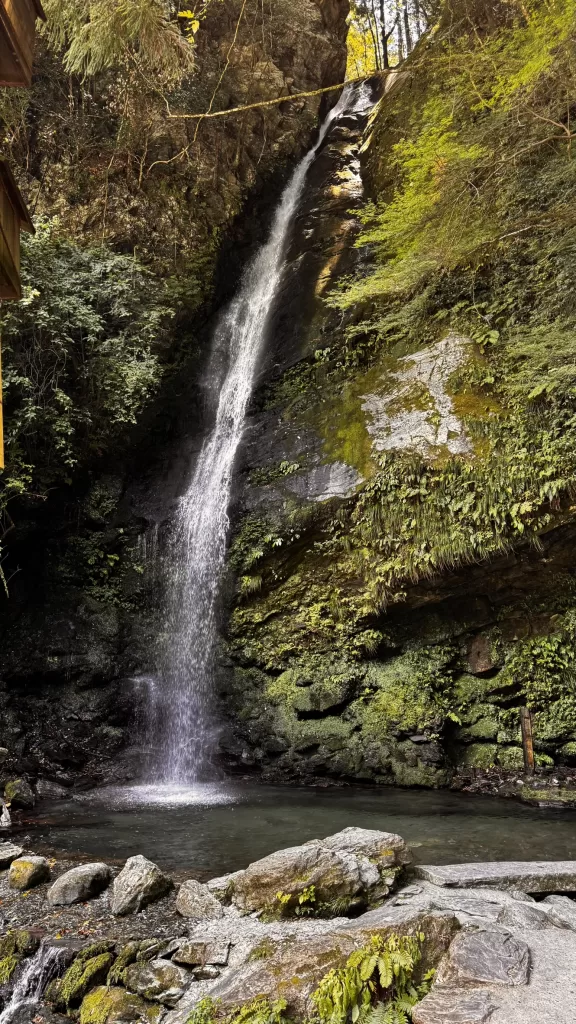
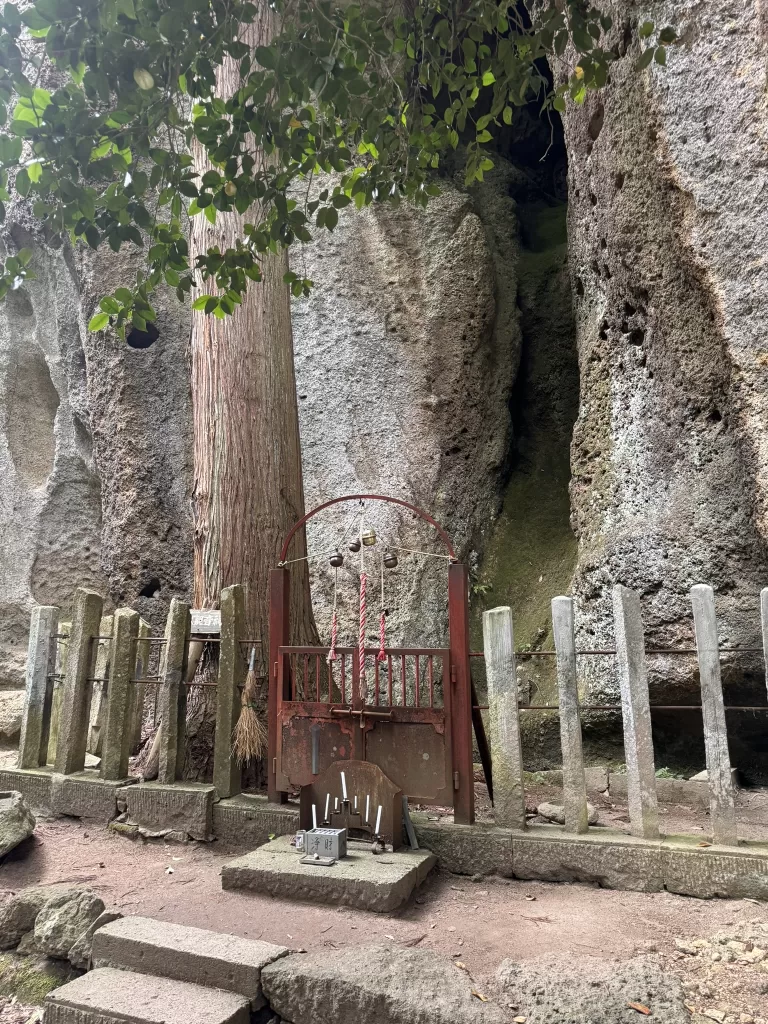
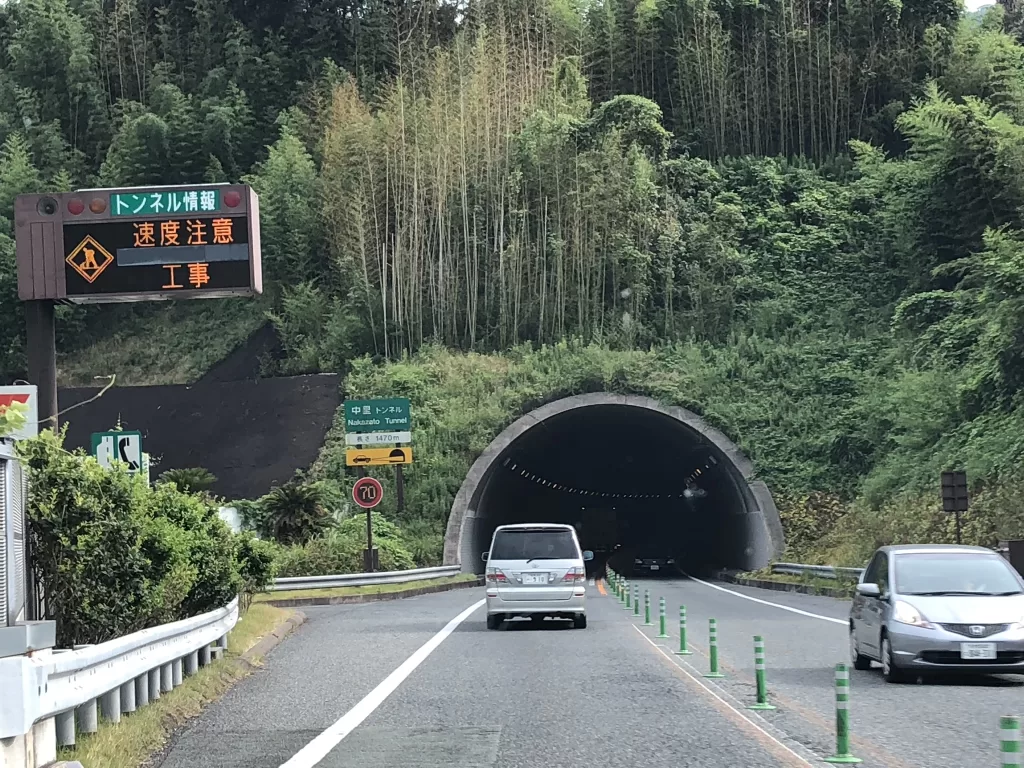
Road Trips: Our Favorite Way for Exploring Regional Japan
One of the biggest surprises for many readers is how much we enjoy driving in Japan.
At first, that recommendation often catches people off guard. Isn’t Japan supposed to be all about trains? The answer is yes and no.
Japan’s rail network is outstanding, particularly for connecting major cities. But once you begin exploring regional Japan, having your own vehicle opens a host of new possibilities.
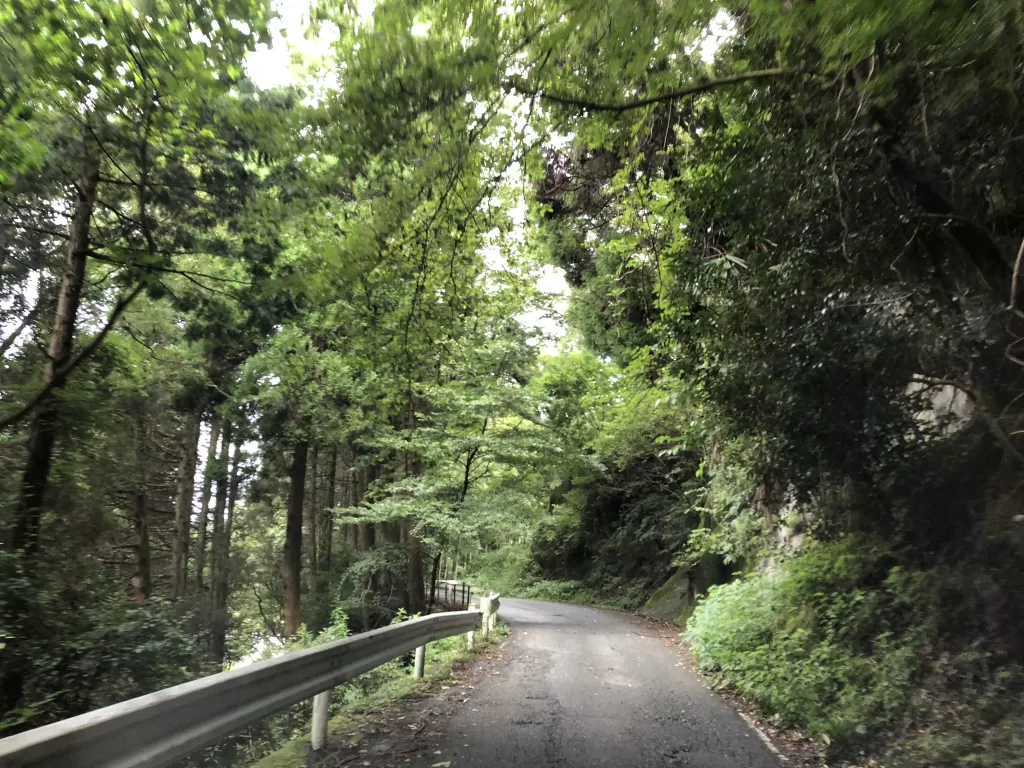
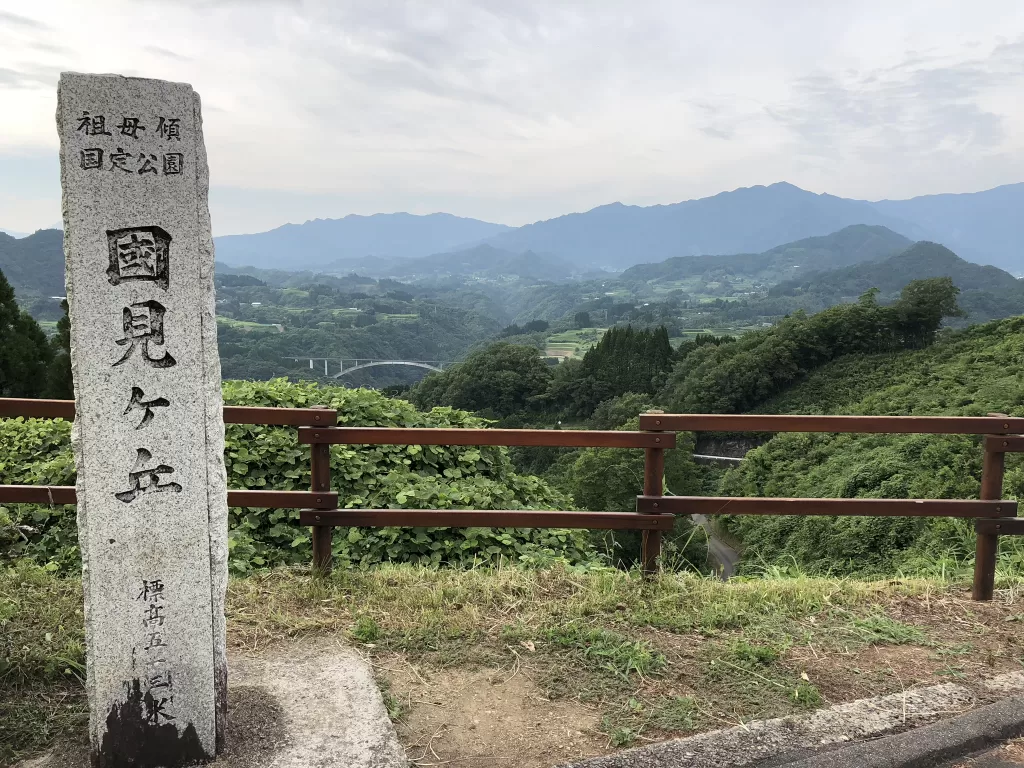
We’ve discovered hidden waterfalls, dramatic gorges, lush forrests, and ancient temples we never planned to visit. Stopped at scenic overlooks with no tour buses in sight. And marveled at the scenic coastlines along both the Pacific Ocean and Sea of Japan.
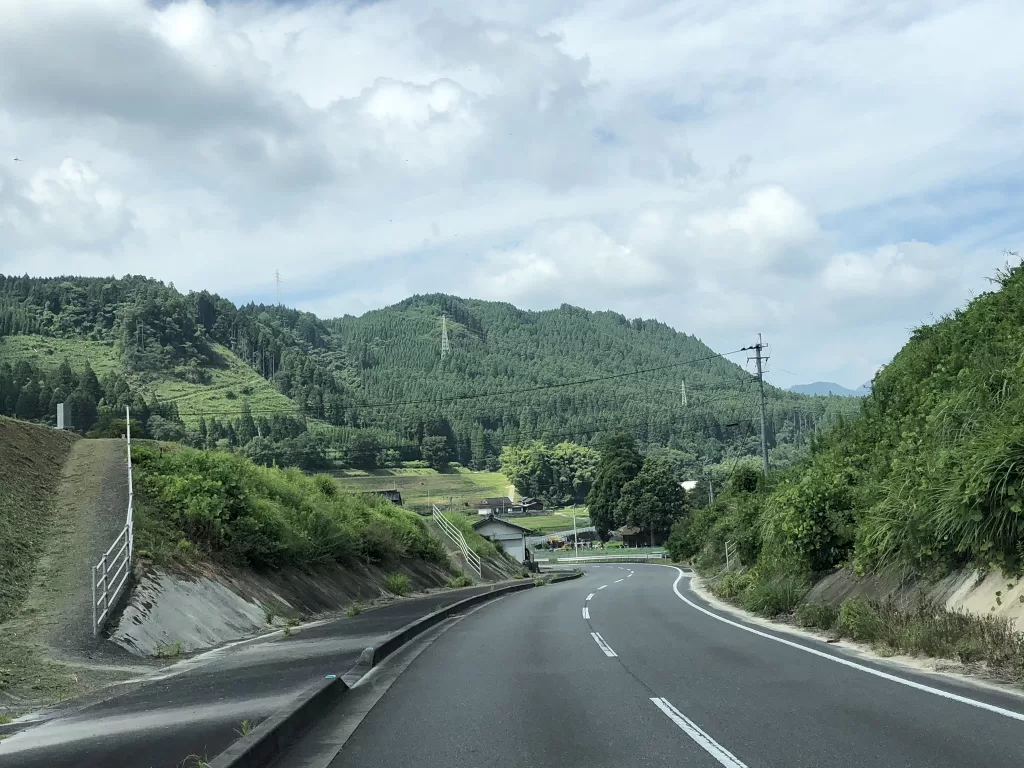
Those spontaneous moments are almost impossible to recreate when every day revolves around train schedules. Driving also allows you to enjoy one of our favorite aspects of Japanese travel: the journey itself.
- Mountain roads weave through cedar forests.
- Coastal highways reveal dramatic ocean vistas around every bend.
- Rice fields stretch toward distant mountain ranges.
Every season transforms the scenery.
- Spring brings cherry blossoms.
- Summer paints the countryside deep green.
- Autumn turns entire valleys into shades of crimson and gold.
Even the drive becomes part of the vacation.
Japan’s Roadside Culture Is an Attraction in Itself
One unexpected highlight of driving through Japan is discovering the country’s excellent Service Areas (SA) and Parking Areas (PA) along its expressways.
These are nothing like the highway rest stops many travelers may be familiar with elsewhere.
Many feature beautifully maintained facilities, regional restaurants, local bakeries, specialty coffee, farmers’ markets, souvenir shops, and seasonal treats unique to the prefecture you’re traveling through.
We’ve made unplanned lunch stops that turned into memorable meals.
Some have observation decks overlooking mountains or coastlines.
Others feature local seafood, regional ramen, artisan desserts, or surprisingly excellent soft serve ice cream made with ingredients specific to that region.
These stops become enjoyable parts of the journey rather than simply places to refuel.
They’re another reminder that in Japan, even the smallest travel experiences often receive remarkable attention to detail.
Ryokan: Where Hospitality Becomes the Destination
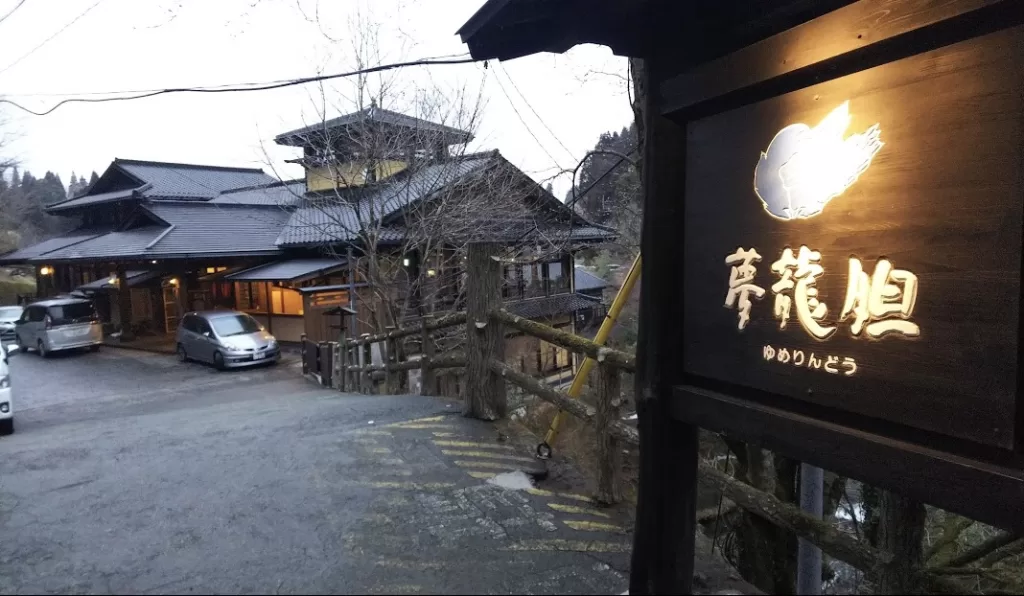
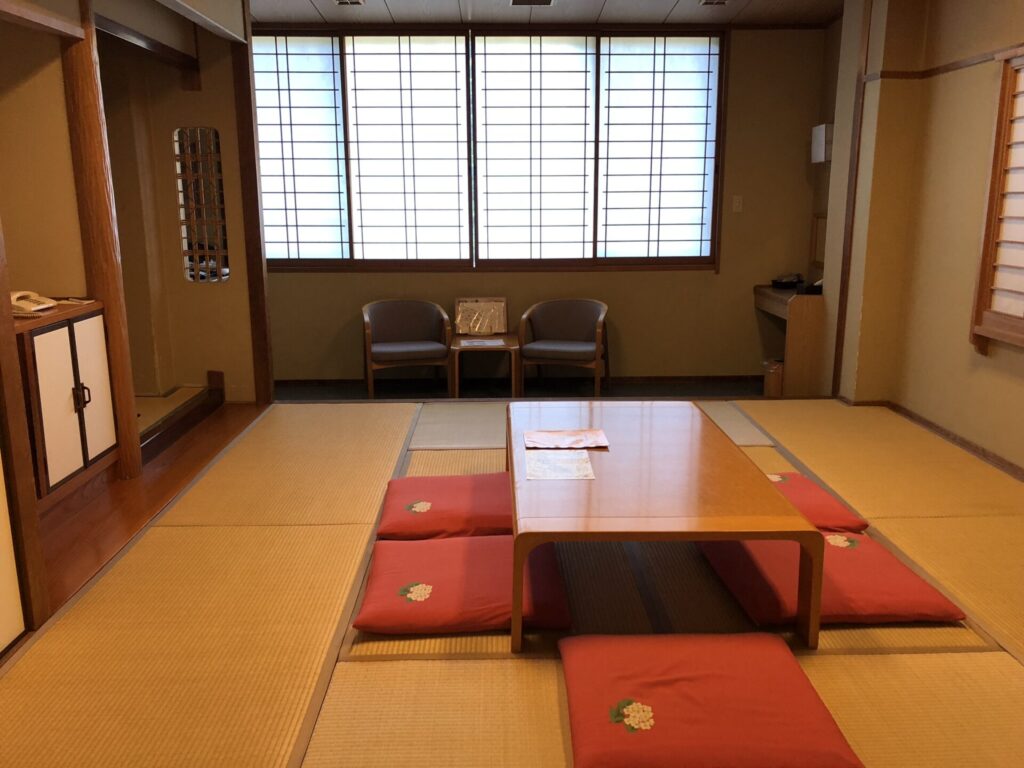
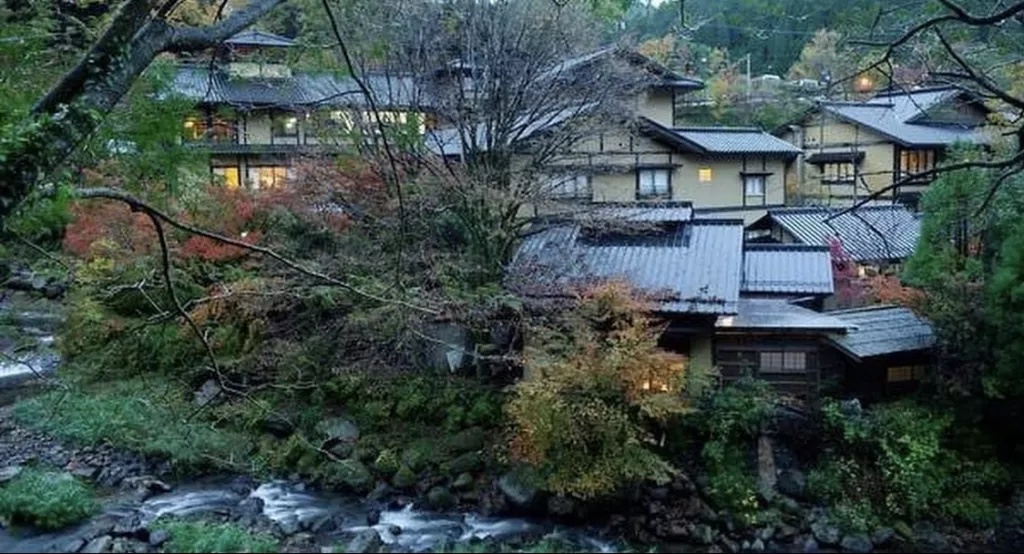
If there’s one thing we consistently partake in while experiences regional Japan, it’s staying at a traditional ryokan.
A ryokan isn’t simply a hotel. It’s an opportunity to experience Japanese hospitality, or omotenashi, at its finest. Many of our favorite ryokan have fewer than twenty rooms.
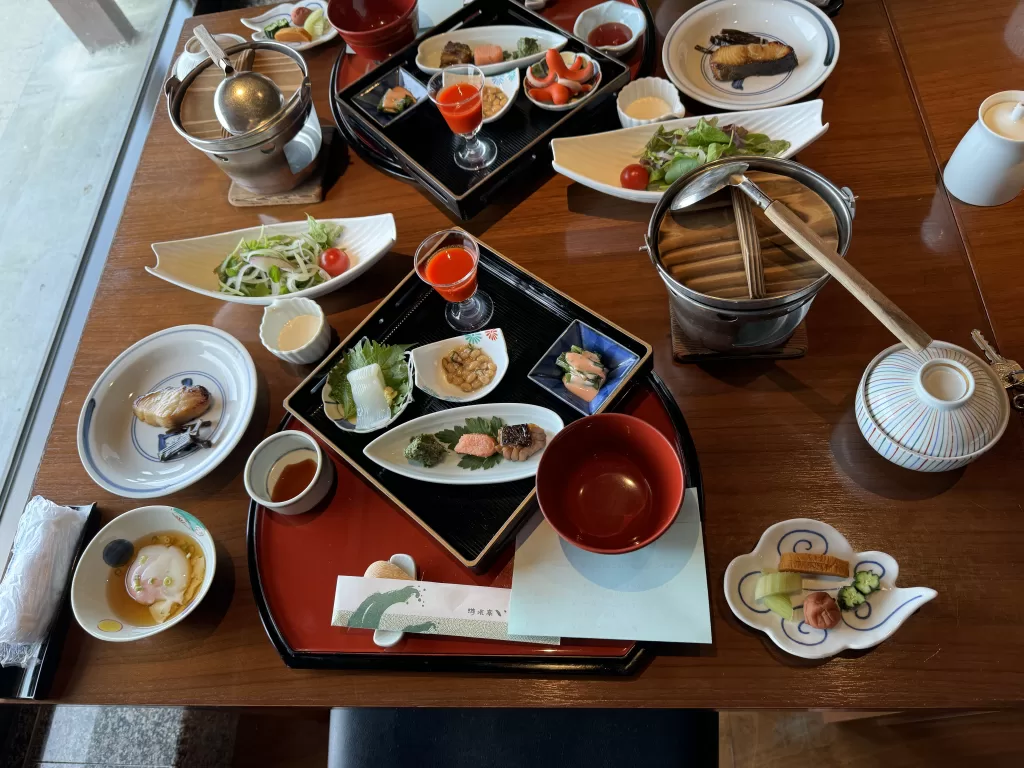
Staff and owners warmly greet guests personally when they arrive. And dinner isn’t an afterthought, rather it’s often the highlight of the entire stay.
We’ve enjoyed multi-course kaiseki meals showcasing local seafood, mountain vegetables, premium wagyu, handmade soba, seasonal fruits, and regional specialties we had never encountered before.
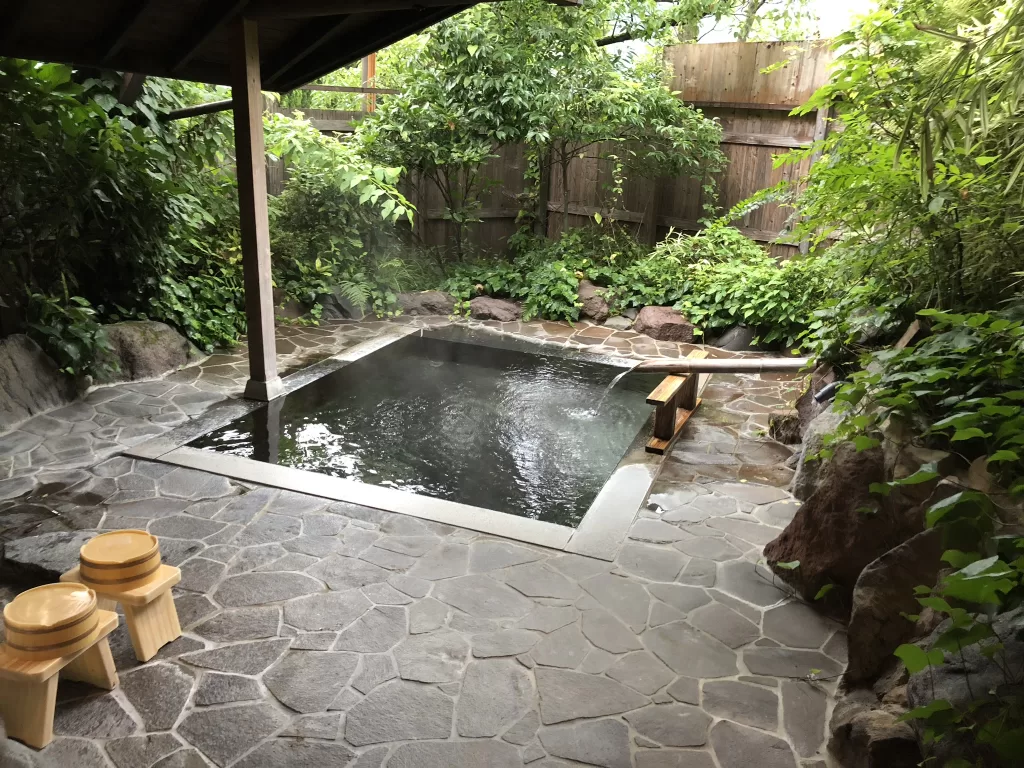
Then, after dinner, we’d soak in a private outdoor onsen beneath the stars, listening only to the sound of flowing water or wind through the trees.
Those evenings never feel rushed. They remind us that luxury isn’t always about marble lobbies or grand chandeliers. Sometimes luxury means silence. Privacy. Exceptional food. Genuine hospitality. And time.
Is Exploring Regional Japan Right for Your Next Trip?
By now, you may be wondering whether exploring Regional Japan is the right fit for your itinerary. The answer depends less on how many times you’ve visited Japan and more on how you like to travel.
If your dream vacation involves checking off as many famous landmarks as possible in one trip, then focusing on Tokyo, Kyoto, Osaka, and perhaps Hiroshima is still a fantastic choice. Those destinations have earned their reputation for a reason.
But if your ideal vacation is slower, more immersive, and centered around memorable experiences rather than busy sightseeing, exploring Regional Japan may be exactly what you’re looking for.
- It’s for travelers who would rather slow down and soak in an open-air onsen overlooking a mountain valley rather than standing in line for the perfect Instagram photo.
- It’s for travelers who become excited discovering a family-run soba restaurant that has served the same recipes for generations.
- It’s for couples looking for a peaceful anniversary getaway, families wanting to introduce their children to a different side of Japan, and returning visitors ready to experience something beyond the country’s most famous cities.
Regional Japan rewards curiosity.
Our Favorite Way to Experience Japan
If there’s one lesson we’ve learned through years of exploring Japan together, it’s this: Don’t try to see all of Japan in one trip.
Japan isn’t a destination that needs to be completed. It’s a country that invites you back. Instead of attempting to visit six cities in ten days, choose one region and truly experience it.
- Spend an extra night at that beautiful ryokan.
- Take the scenic road instead of the fastest one.
- Leave time to stop at viewpoints that weren’t on your itinerary.
- Walk through neighborhoods without a destination in mind.
- Taste regional specialties you’ve never heard of before.
Some of our favorite discoveries have happened because we weren’t rushing. Ironically, slowing down has allowed us to experience far more.
Where Should You Begin Exploring Regional Japan?
If you’re considering venturing beyond the Golden Route, these are the regions we most often recommend.
- Tohoku: Perfect for travelers seeking spectacular scenery, traditional onsen towns, exceptional ryokan, samurai history, and one of Japan’s most rewarding scenic road trips. We’ve found Tohoku to be one of the country’s most peaceful and restorative regions, where mountain landscapes, hospitality, and regional cuisine come together beautifully.
- Shikoku: Ideal for travelers looking for a slower pace, coastal drives, hidden valleys, spiritual history, and charming towns largely untouched by international tourism. Shikoku feels wonderfully authentic and rewards travelers willing to venture off the typical tourist trail.
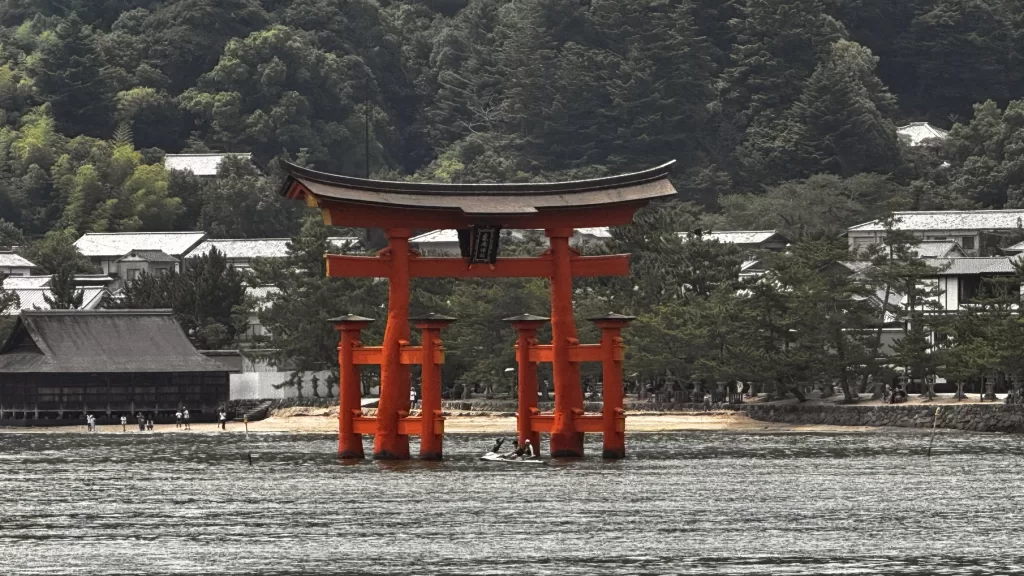
- Southern Honshu: Stretching across prefectures like Hyogo, Tottori, Shimane, and Yamaguchi, this region offers rugged coastlines, historic castle towns, fresh seafood, beautiful ryokan, and scenic drives that continually surprised us. It’s an area we’ll continue exploring for years to come.
- Kyushu: Volcanic landscapes, geothermal hot springs, dramatic coastlines, vibrant food culture, and welcoming cities make Kyushu one of the most exciting destinations for a second or third visit to Japan.
Exploring Regional Japan: FAQs
Q: Is Regional Japan worth visiting on a first trip?
Yes, especially if you have at least two weeks. Many travelers enjoy combining Tokyo and Kyoto with one regional destination to experience both Japan’s iconic highlights and its quieter, more authentic side.
Q: Do I need to rent a car?
Not always, but we often recommend it. Japan’s trains are exceptional for traveling between major cities. However, a rental car opens the door to scenic drives, remote ryokan, hidden waterfalls, coastal viewpoints, and charming villages that are difficult to reach by public transportation.
We generally recommend driving during spring, summer, and autumn, when road conditions are ideal and the scenery is at its best. Winter driving can be challenging in many regions due to snow, icy roads, and seasonal road closures, so extra planning is essential if you’re visiting during the colder months.
Q: Is exploring Regional Japan expensive?
Not necessarily. In fact, we’ve often found regional Japan to offer excellent value compared to Tokyo or Kyoto. Luxury ryokan can certainly be an investment, but many include exceptional multi-course kaiseki dinners and traditional Japanese breakfasts, making them a memorable part of the overall experience rather than simply a place to sleep.
A: Can I visit without speaking Japanese?
Absolutely. While English is less common outside major cities, we’ve consistently found people to be incredibly patient, welcoming, and eager to help. Learning a few simple Japanese phrases is always appreciated, but kindness and curiosity go much further than perfect pronunciation.
Purelifepodcast Tips
- Don’t try to see all of Japan in one trip.
- Choose fewer destinations and stay longer.
- Include at least one traditional ryokan during your journey.
- Build flexibility into your itinerary for unexpected discoveries.
- Stop at Japan’s Service Areas (SA) and Parking Areas (PA). They’re destinations in themselves, with excellent regional food, souvenirs, local specialties, and some of the best soft serve ice cream you’ll ever find.
- If you’re driving, remember that the journey is part of the adventure.
Exploring Regional Japan: Final Thoughts
When people ask us what our favorite place in Japan is, they’re often surprised that we don’t immediately answer Tokyo or Kyoto. Not because those cities aren’t extraordinary. They absolutely are.
Japan is so much more than its famous cities and insta-spots. It’s a country best explored one region at a time, where every return visit reveals another layer of its history, culture, landscapes, and hospitality. If you’ve only experienced the Golden Route, you’ve seen one remarkable chapter of Japan’s story.
But there are many more chapters waiting to be discovered. For us, that’s the true magic of exploring Regional Japan. And we have a feeling it might become your favorite chapter too.
Explore More on Pure Life Podcast
Continue planning your journey with some of our most popular Japan travel guides:
- Discovering Tohoku: A First Look at Japan’s Scenic Northern Region
- Why Stay at a Traditional Ryokan in Japan: The Experience Every Traveler Should Have
- Beyond Tokyo, Kyoto & Osaka: Discover the Real Japan Most Travelers Never See
- Where to Stay in Hakone (Ryokans, Onsens, & Scenic Escapes)
Oirase Gorge Japan Travel Guide: A Must-Visit Hidden Gem in Japan’s Tohoku Region
Ready to Experience a Different Side of Japan?
Whether you’re planning your very first trip or your fifth, we hope this article encourages you to look beyond the guidebooks and discover a slower, deeper, and more rewarding side of Japan.
Subscribe to the Pure Life Podcast newsletter below for firsthand itineraries, authentic regional recommendations, luxury ryokan reviews, and practical planning tips from our travels across Japan and around the world.
Every Journey, Once in a Lifetime.
Happy planning and safe travels.
Disclaimer: Our blog contains affiliate links, which means we may earn a small commission at no additional cost to you when you make a purchase through these links. Additionally, please be aware that all information on our blog is subject to change. We recommend checking the respective company websites for the most up-to-date information on hours of operation, locations, costs, etc..before planning your visit. Thank you for your support and understanding!