Updated September 20, 2026
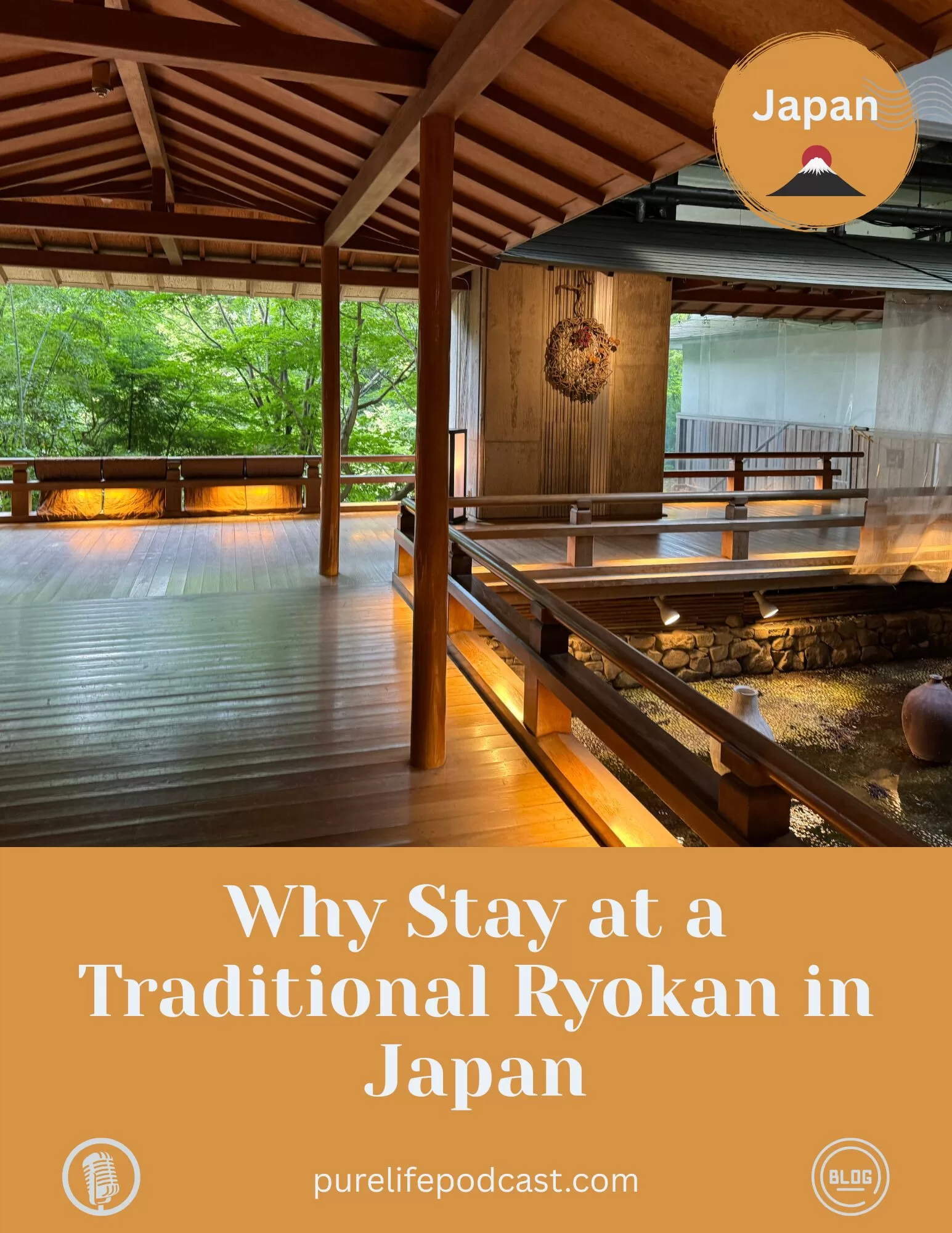
More than a place to stay, a traditional ryokan in Japan offers one of the most authentic and memorable Japanese experiences.
If there’s one experience we recommend to almost every traveler visiting Japan, it’s spending at least one night in a traditional ryokan.
Tokyo’s skyline is unforgettable. Kyoto’s temples are breathtaking. Osaka’s food scene is legendary.
But a ryokan offers something entirely different.
It’s where you slow down, slip off your shoes, soak in a hot spring, enjoy an extraordinary seasonal dinner, and experience the quiet elegance of Japanese hospitality in a way that hotels simply can’t replicate.
For us, a traditional ryokan in Japan isn’t just a place to spend the night, it’s one of the most authentic ways to experience Japan.
Whether you’re planning your very first trip or looking to experience Japan beyond the Golden Route, staying in a ryokan is one of the best ways to connect with the country’s culture. If you’re still deciding where to explore, start with our Discover Tohoku: A First Look at Japan’s Scenic Northern Region, Beyond Tokyo, Kyoto & Osaka: Discover the Real Japan Most Travelers Never See, and Best Area to Stay in Tokyo + Where to Avoid before planning your journey.
Table of Contents
Quick Picks: Choosing the Right Traditional Ryokan in Japan by Region
Best for first-time visitors: Hakone
Easy access from Tokyo, beautiful ryokan, onsen, forest settings, and possible Mt. Fuji views.
Best for hot spring variety: Kyushu
Ideal for travelers who want Japan’s most diverse onsen culture, from Beppu’s dramatic hot spring “hells” to the traditional village atmosphere of Kurokawa Onsen.
Best for atmosphere: Tohoku
Perfect for travelers seeking mountain scenery, snow-covered onsen towns, traditional wooden inns, and a more immersive rural Japan experience.
Best for history and culture: Shikoku
Home to Dogo Onsen, one of Japan’s most historic hot spring experiences, with a quieter and more traditional feel.
Best for mountain scenery: Nagano and the Japanese Alps
A wonderful choice for alpine landscapes, historic onsen towns, snow monkeys, ski areas, and crisp mountain air.
Best for a quieter escape near Tokyo: Chichibu
A peaceful option for travelers who want nature, mountain shrines, river valleys, and a less crowded onsen experience without traveling too far.
Best length of stay: 1- 2 nights
One night gives you the experience. Two nights lets you truly relax.
Don’t skip: Dinner and breakfast
A ryokan meal is often one of the most memorable parts of the stay.
Our recommendation: Combine modern hotels in Tokyo, Kyoto, or Osaka with at least one ryokan stay during your trip.
Japan’s Main Islands & Ryokan Regions
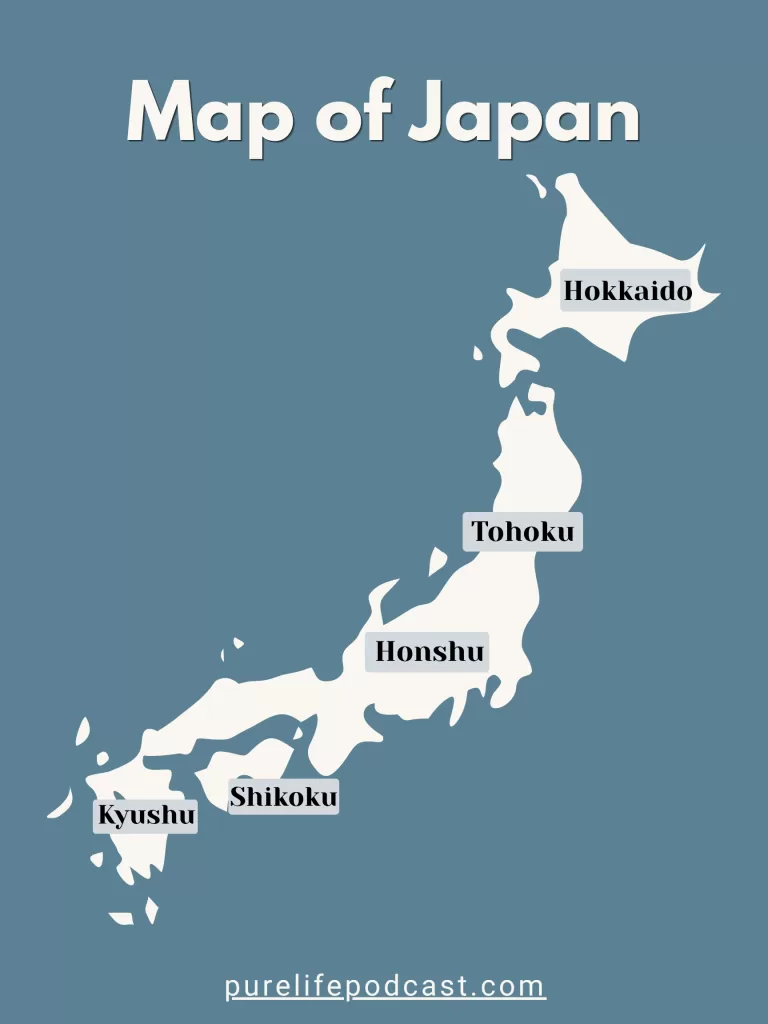
Japan’s four main islands are Hokkaido, Honshu, Shikoku, and Kyushu. Tohoku is the northern region of Honshu, known for traditional ryokan, onsen culture, spectacular scenery, and exceptional regional cuisine.
What Is a Ryokan?
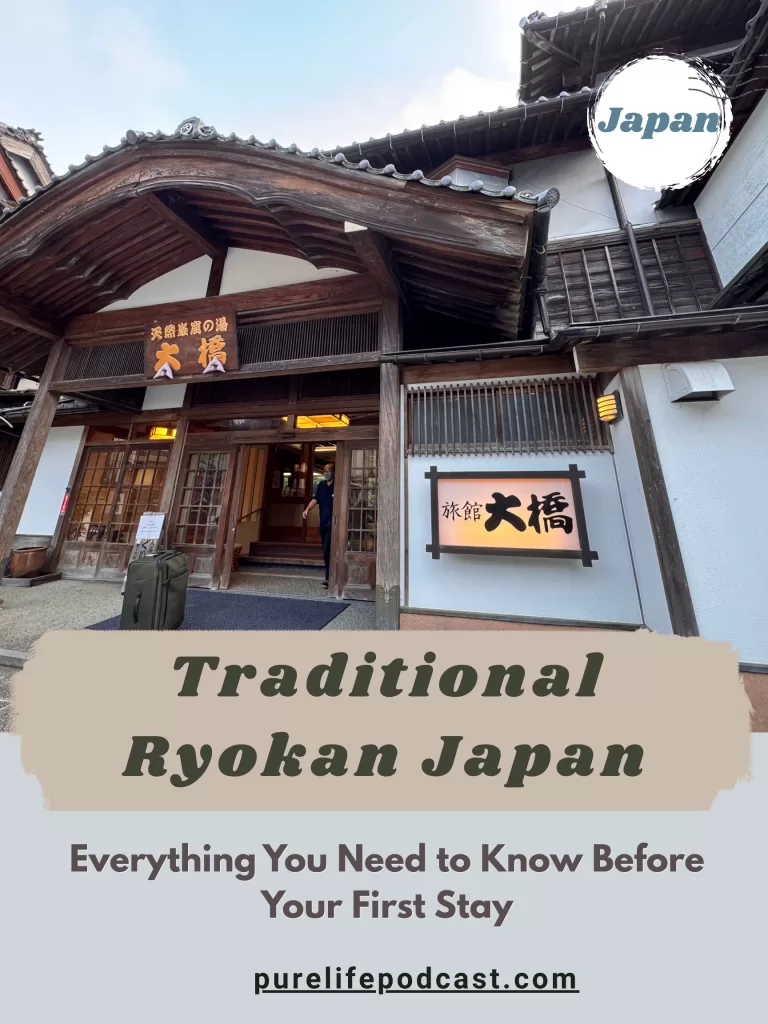
A ryokan is a traditional Japanese inn that has welcomed travelers for centuries.
Unlike a hotel, a ryokan is designed around the experience of Japanese hospitality. Expect tatami flooring, beautifully prepared seasonal meals, futon bedding or Japanese-Western rooms, yukata robes, tranquil surroundings, and often natural hot spring baths.
Some ryokan are simple family-run inns that have welcomed guests for generations. Others are luxurious retreats offering private open-air baths, gourmet kaiseki cuisine, and impeccable service.
Regardless of the style, the philosophy remains the same, help guests slow down and fully experience the place they are visiting.
More Than a Hotel, It’s a Different Way to Travel
Many travelers view accommodations as simply a place to sleep.
A traditional ryokan in Japan changes that mindset.
Instead of rushing from attraction to attraction, your accommodation becomes one of the highlights of your journey.
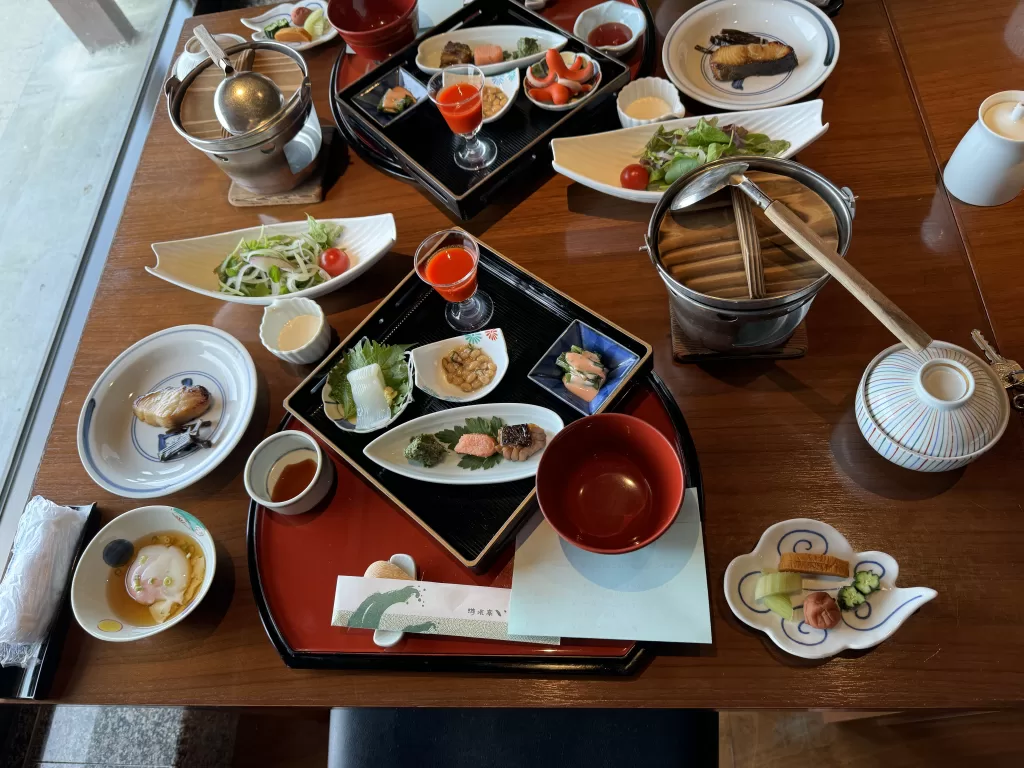
The afternoon is spent relaxing with tea. Dinner becomes a celebration of seasonal ingredients. An evening soak in an onsen replaces screen time. The following morning begins with a beautifully prepared Japanese breakfast.
You aren’t simply checking into a room.
You’re stepping into a tradition that has been part of Japanese culture for centuries.
🎧 Prefer to listen?
Episode 98: Everything You Need to Know About Staying in a Traditional Ryokan in Japan
We dive deep into what a ryokan stay is really like, from check-in and kaiseki to onsen etiquette and what first-time visitors should expect.
Omotenashi: Hospitality You Can Feel
One of the reasons ryokan stays feel so memorable is omotenashi.
While often translated as “hospitality,” omotenashi is much deeper than excellent customer service.
It is the quiet anticipation of a guest’s needs before they even ask.
You’ll notice it in thoughtful details – the presentation of your meal, the preparation of your room, the warm welcome upon arrival, and the calm atmosphere that allows you to relax completely.
It’s one of the most beautiful aspects of Japanese culture and something every traveler should experience firsthand.
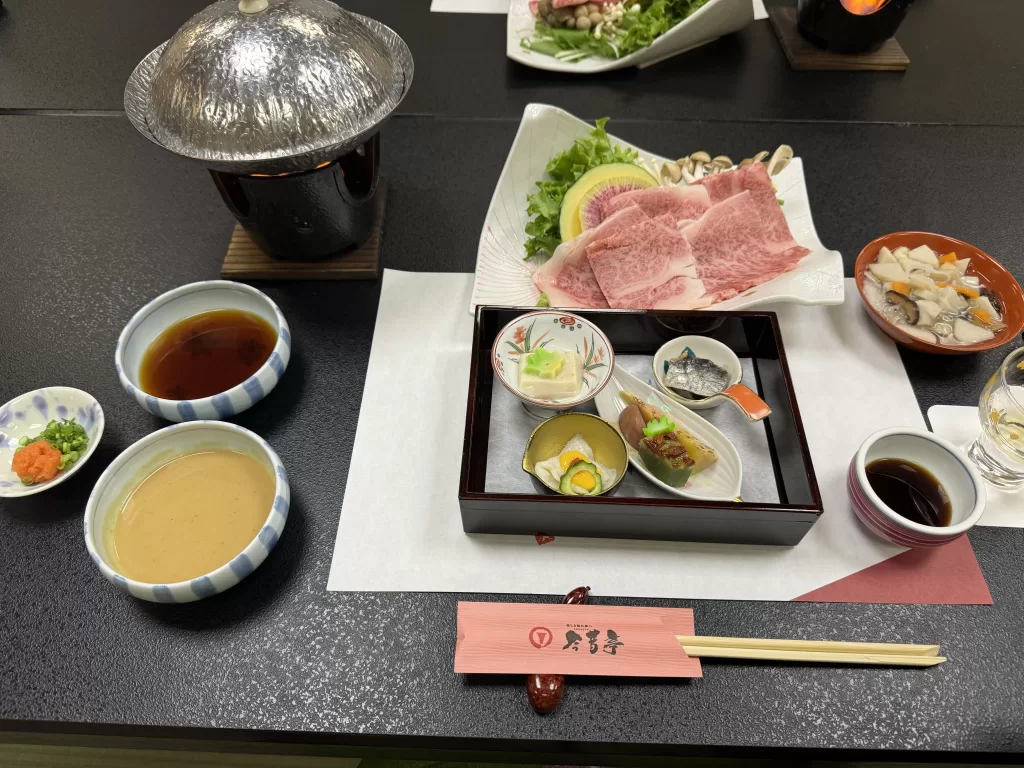
Kaiseki: A Meal That Tells the Story of the Season
For many guests, dinner becomes the highlight of a ryokan stay.
Kaiseki is a beautifully presented multi-course meal that celebrates the ingredients of the season and the region.
The menu changes throughout the year, reflecting what’s fresh and local.
You might enjoy delicate seafood on the coast, mountain vegetables in alpine regions, premium wagyu beef, handcrafted tofu, or locally grown produce.
Every dish has been thoughtfully prepared, making dinner feel as much like an artistic experience as a meal.
Purelifepodcast Tip: Whenever possible, book a traditional ryokan in Japan that includes dinner and breakfast. It is one of the best ways to experience regional Japanese cuisine.
One of our favorite ways to experience Japan is through its regional cuisine. From the underground food halls featured in our Tokyo’s Best Food Is Underground – Depachika guide to Osaka’s legendary street food and regional specialties found throughout Japan, every destination tells its own culinary story.
Related reads:
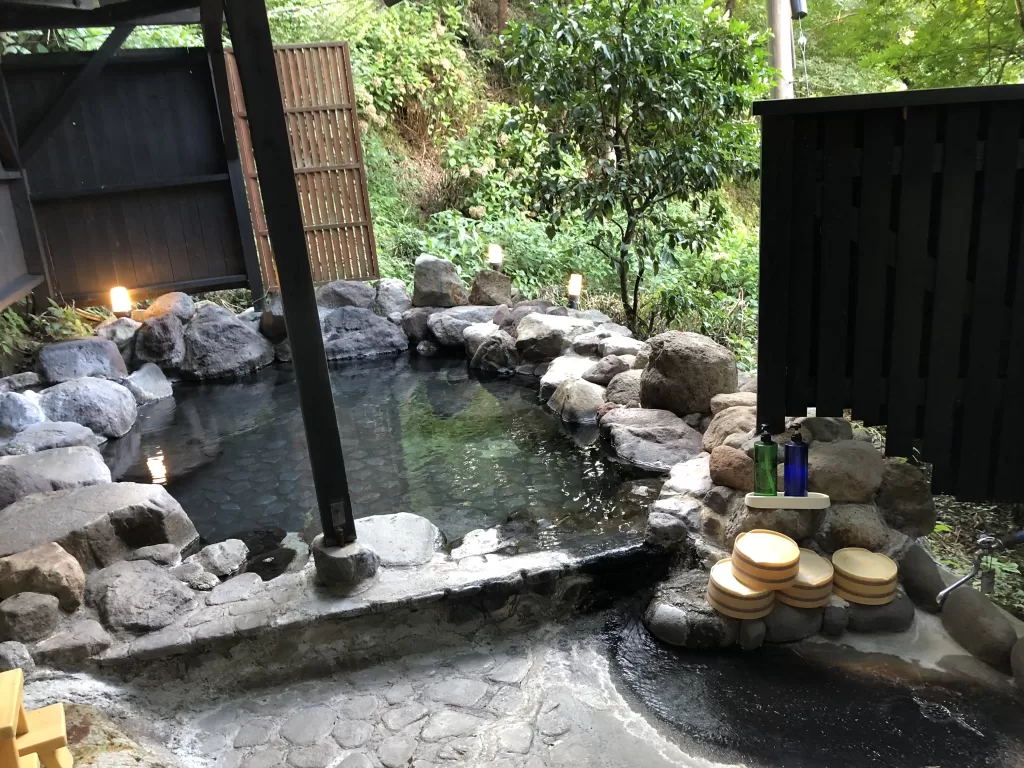
Onsen: Japan’s Wellness Tradition
Many ryokan are located in natural hot spring towns.
After a day of exploring, there’s something incredibly relaxing about soaking in warm mineral-rich waters while overlooking mountains, forests, rivers, or the sea.
Some ryokan feature spacious communal baths, while others offer private reservable baths or guest rooms with their own open-air onsen.
If you’re new to onsen culture or prefer additional privacy, look for accommodations offering private baths.
If you’re curious about Japanese wellness traditions, don’t miss our guide to Hidden Wellness Oasis in Tokyo: Toyosu Manyo Club, a modern way to experience onsen culture before venturing into Japan’s traditional hot spring regions.
What to Expect During Your Stay
- Every ryokan is unique, but many follow a similar rhythm.
- Arrive during the afternoon.
- Remove your shoes at the entrance.
- Enjoy welcome tea.
- Settle into your tatami room.
- Change into your yukata.
- Relax in the onsen.
- Enjoy a leisurely kaiseki dinner.
- Sleep on comfortable futon bedding or Japanese-Western beds.
- Wake to a traditional Japanese breakfast before continuing your journey.
It’s a slower pace and that’s exactly the point.
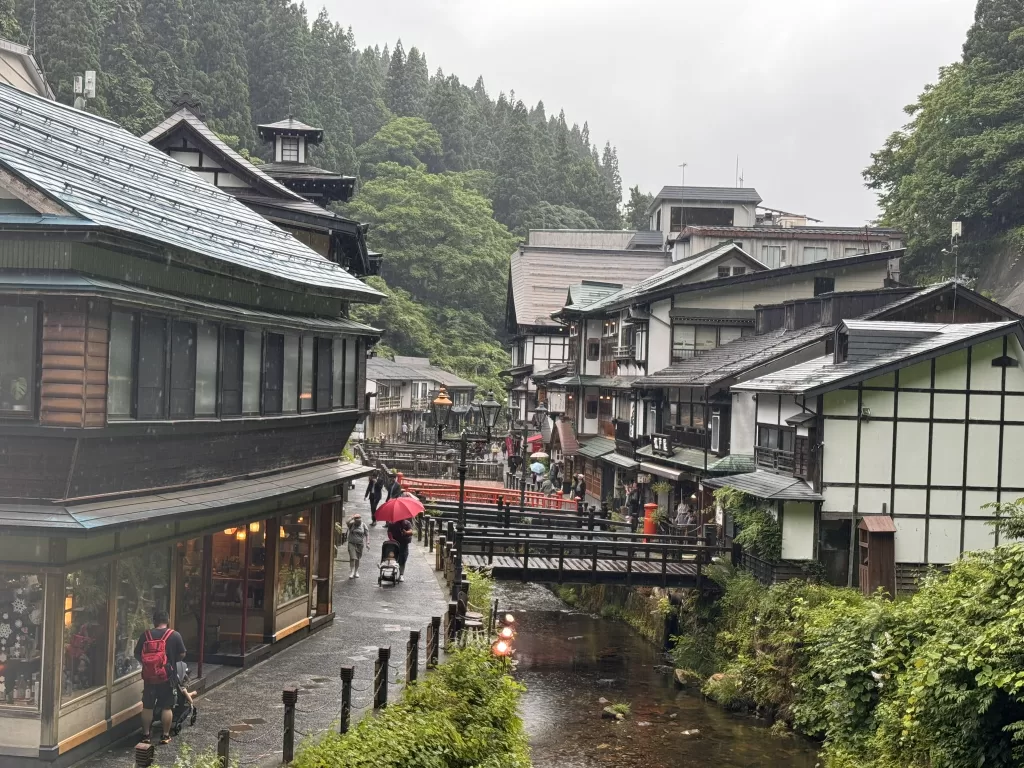
Ryokan Etiquette Made Easy
First-time visitors sometimes worry about making mistakes. Don’t. Ryokan owners are accustomed to welcoming international guests, and the experience is meant to be enjoyable.
A few simple customs will help you feel comfortable:
- Remove shoes where requested.
- Wear the provided yukata around the property.
- Wash before entering an onsen.
- Respect quiet public spaces.
- Arrive before dinner service begins.
- Keep towels out of the bath water.
- Check tattoo policies if using communal baths.
Most importantly, relax and enjoy the experience.
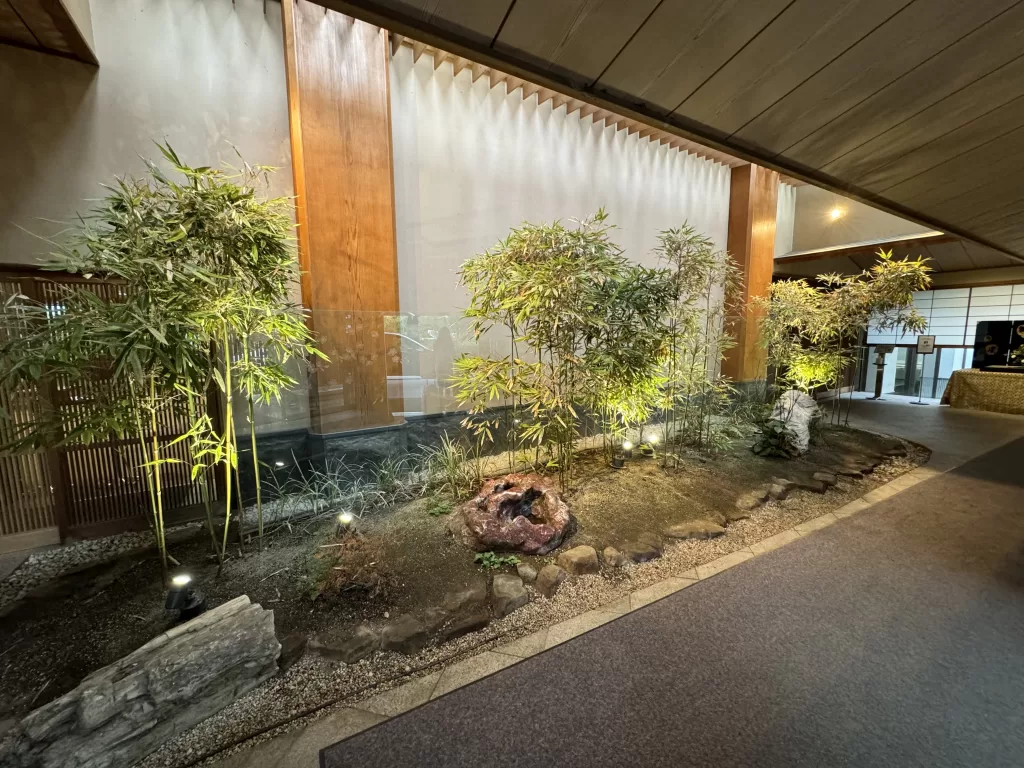
Best Regions for Traditional Ryokan in Japan Stays
Japan offers exceptional ryokan throughout the country, each reflecting its local culture and landscape.
Hakone
An excellent first ryokan destination near Tokyo, famous for hot springs, mountain scenery, and views of Mt. Fuji on clear days.
Hakone is one of our favorite destinations for a first ryokan stay thanks to its proximity to Tokyo, beautiful mountain scenery, and abundance of luxury onsen. Learn more in our Where to Stay in Hakone: Ryokans, Onsens & Scenic Escapes guide.
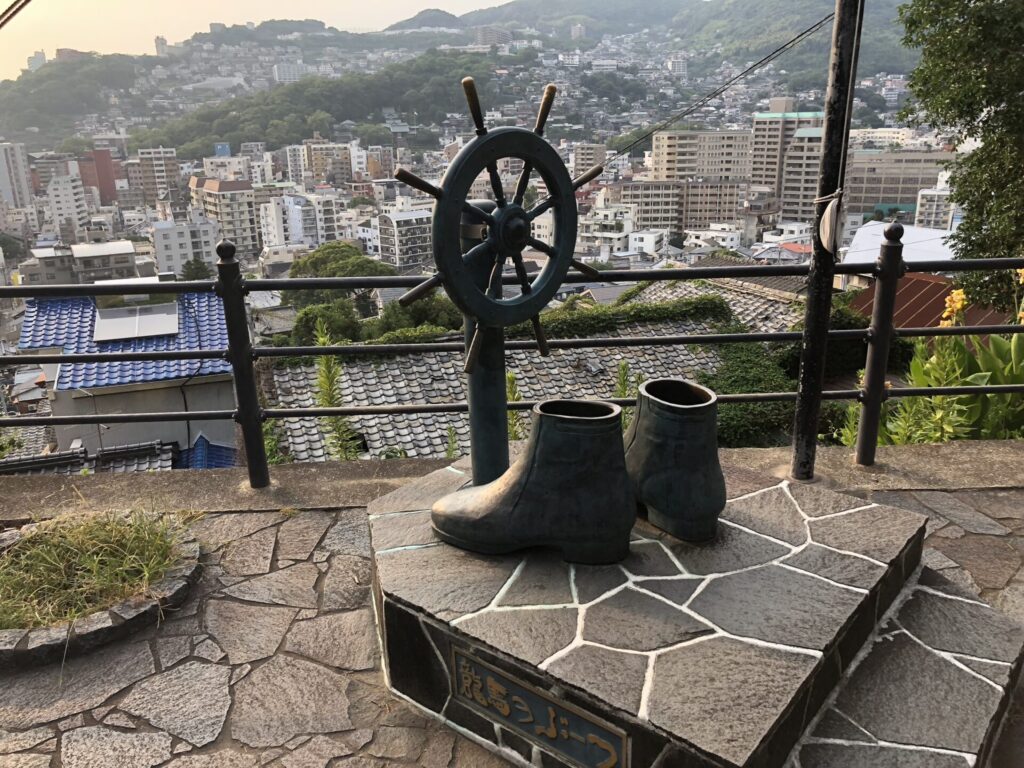
Kyushu
Home to many of Japan’s most famous hot spring towns, including Beppu, Yufuin, and Kurokawa Onsen.
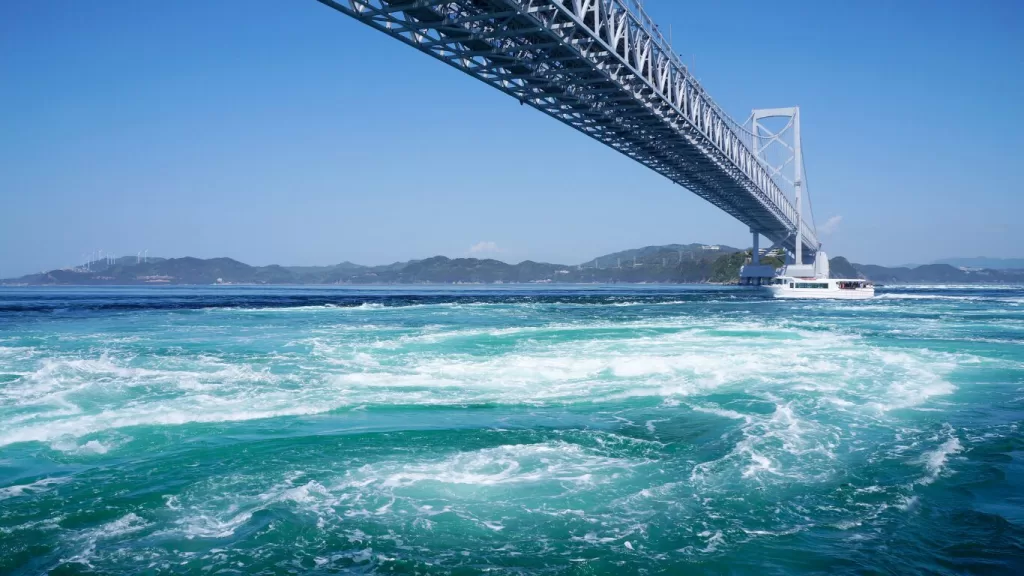
Shikoku
A quieter side of Japan offering coastal scenery, pilgrimage routes, and traditional inns away from the crowds.
Browse Shikoku Ryokans
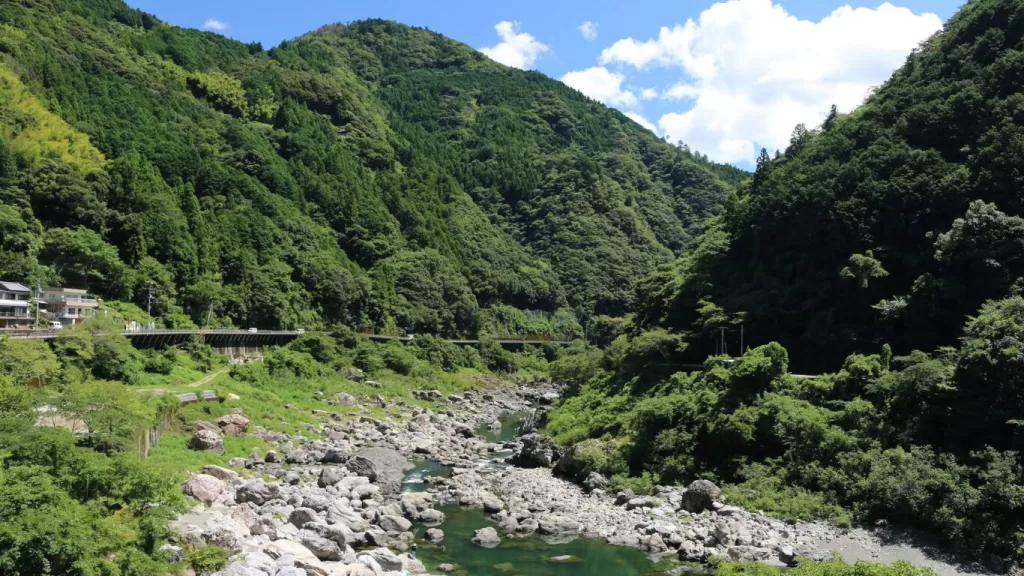
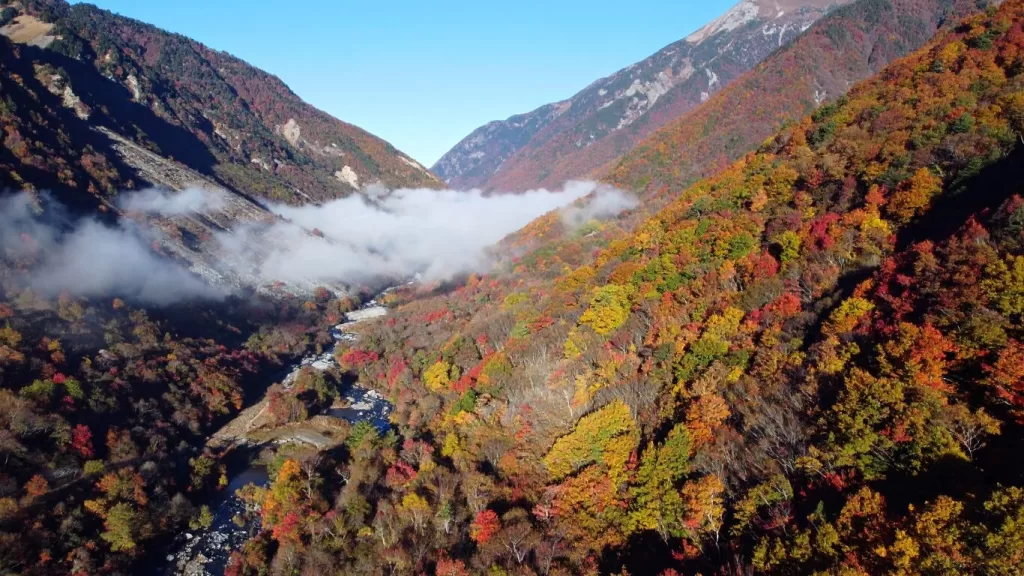
Japanese Alps
Historic mountain towns, spectacular scenery, and atmospheric inns make this one of Japan’s most rewarding ryokan regions.
Browse Japanese Alps Ryokans
Planning Your First Traditional Ryokan in Japan Stay
If you’re visiting Japan for the first time, we often recommend a combination of modern hotels and ryokan.
Stay in a city hotel while exploring Tokyo, Kyoto, or Osaka, then spend one or two nights at a ryokan where you can slow down, enjoy regional cuisine, and experience Japanese hospitality at its finest.
This balance gives you the best of both worlds.
If you’re still deciding where to base yourself in Tokyo before heading to a ryokan, our Tokyo Hotels by Purpose and Best Area to Stay in Tokyo + Where to Avoid guides can help you choose the right neighborhood.
Purelifepodcast Tips
- Book early during cherry blossom and autumn foliage seasons.
- Choose a plan (half board) that includes dinner and breakfast.
- Consider a room with a private onsen if available.
- Travel light if you’re moving between destinations.
- Arrive before check-in closes so you can fully enjoy the experience.
- Don’t rush your stay, this is one part of your trip that deserves to be savored.
📖 Explore more:
- Discover Tohoku: A First Look at Japan’s Scenic Northern Region
- Beyond Tokyo, Kyoto & Osaka: Discover the Real Japan Most Travelers Never See
- Where to Stay in Hakone: Ryokans, Onsens & Scenic Escapes
- Best Area to Stay in Tokyo + Where to Avoid
- Tokyo Hotels by Purpose
- Oirase Gorge Japan Travel Guide
- Tokyo’s Best Food Is Underground – Depachika
- Hidden Wellness Oasis in Tokyo: Toyosu Manyo Club
- 12 Best Day Trips From Tokyo by Train Not To Miss
- Exploring Japan in 2026: The Year of Immersive and Culturally Significant Adventures
Traditional Ryokan in Japan: FAQ
Q: What is the difference between a ryokan and a hotel?
A ryokan focuses on traditional Japanese hospitality, seasonal cuisine, tatami rooms, and cultural experiences, while hotels prioritize convenience and modern amenities.
Q: Should I stay at a ryokan on my first trip to Japan?
Absolutely. Even one night provides a memorable introduction to Japanese culture and hospitality.
Q: Are ryokan expensive?
Prices vary widely. There are affordable family-run inns as well as luxury ryokan with private onsen and gourmet dining.
Q: Do all ryokan include meals?
Not all do, but we highly recommend choosing one that includes dinner and breakfast for the full experience.
Every Journey, Once in a Lifetime.
Happy planning and safe travels.
Disclaimer: Our blog contains affiliate links, which means we may earn a small commission at no additional cost to you when you make a purchase through these links. Additionally, please be aware that all information on our blog is subject to change. We recommend checking the respective company websites for the most up-to-date information on hours of operation, locations, costs, etc..before planning your visit. Thank you for your support and understanding!