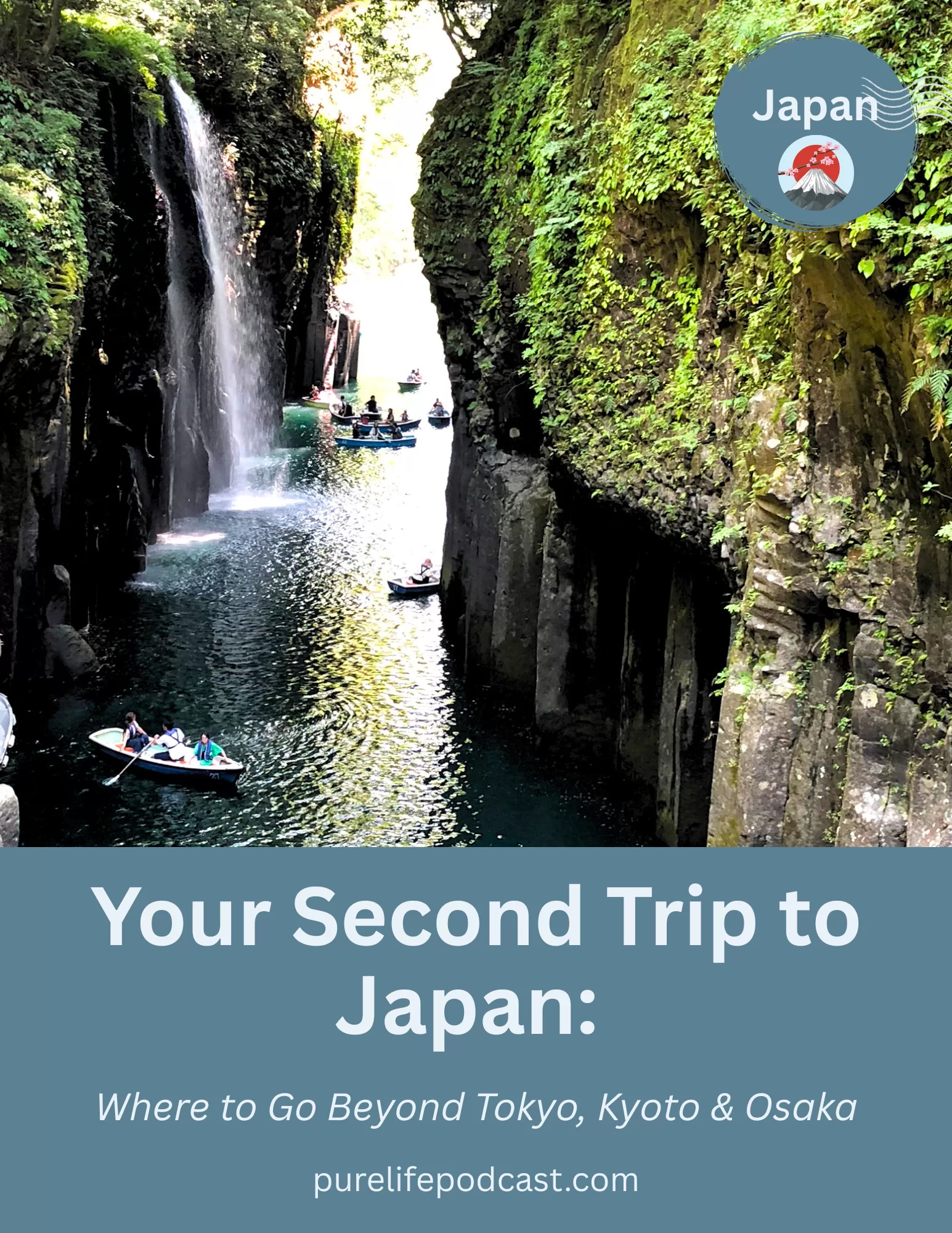
Your Second Trip To Japan: Where to Go
You are now planning your second trip to Japan and asking the logical question: “Where should I go?”
The common response is Tokyo, Kyoto, or Osaka. And for good reason, these three extraordinary cities form the foundation of many first-time Japan itineraries. They introduce travelers to everything from neon-lit neighborhoods and world-class food to ancient temples, traditional gardens, and some of the most recognizable sights in the country.
But your second trip to Japan can—and perhaps should—feel completely different.
After you’ve walked through Shibuya, explored Kyoto’s temples, eaten your way through Osaka, and figured out how surprisingly easy Japan can be to navigate, a return visit offers an opportunity to slow down and discover the country at a deeper level.
For us, this is where Japan becomes even more interesting.
As a Tokyo native, I will always recommend experiencing Japan’s famous cities. But some of our most memorable journeys have taken place far beyond them: driving through the mountains of Tohoku, staying in traditional ryokan, soaking in natural onsen, exploring the coastlines of Kyushu, navigating Shikoku’s valleys, and stopping in towns we knew very little about before arriving.
If you’re planning your second trip to Japan, here’s where we think you should go next.
Table of Contents
Your Second Trip to Japan: The Short Answer
For a second or third visit to Japan, resist the temptation to simply recreate your first itinerary. Instead, choose one region and experience it more deeply.
Consider:
- Tohoku for onsen, ryokan, mountain scenery and traditional Japan.
- Kyushu for volcanic landscapes, incredible food, hot springs and road trips.
- Shikoku for slower travel, valleys, coastlines and spiritual traditions.
- Southern Honshu for historic towns, seafood, dramatic coastlines and lesser-visited Japan.
- Tokyo again—but experience neighborhoods, food and everyday life rather than simply revisiting the major attractions.
The goal of a second trip to Japan doesn’t need to be seeing more. It can be experiencing more.
Why Your Second Trip to Japan Should Be Different
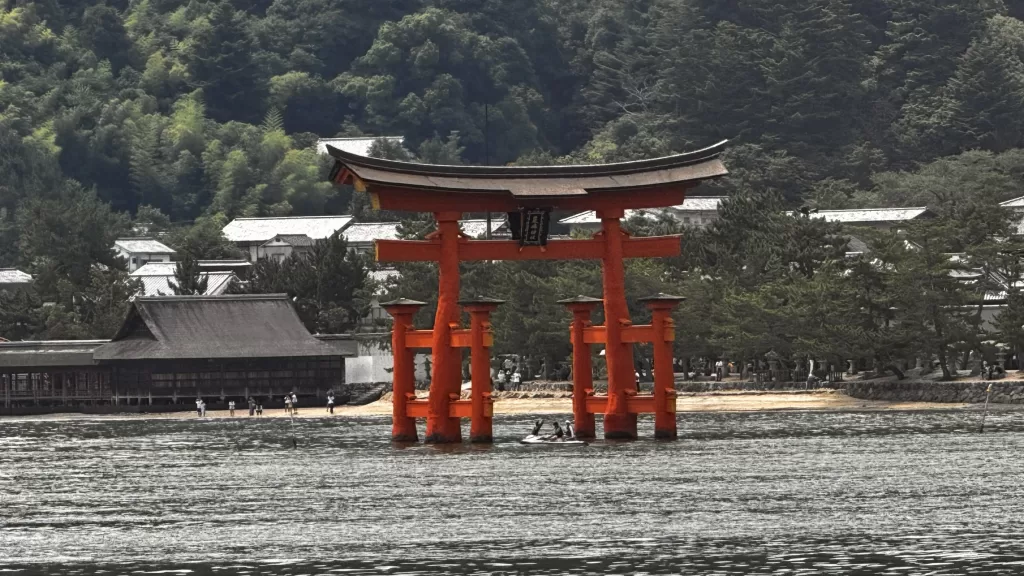
First trips naturally involve landmarks. You want to see Senso-ji. Shibuya Crossing. Fushimi Inari. Kiyomizu-dera. Osaka Castle. And you should.
But after those experiences, something interesting happens. You stop asking, “What do I need to see in Japan?” Instead, you begin asking, “What else is out there?”
That question changed the way we travel throughout Japan. Rather than planning journeys around famous attractions, we began planning around regions, food, scenery, ryokan, onsen and experiences. We rented cars. We stayed longer. We stopped in small towns. We drove roads simply because they looked interesting.
And gradually, our trips became less about sightseeing and more about experiencing Japan itself.
Tohoku: For Onsen, Ryokan and Traditional Japan
If your ideal second trip to Japan includes mountain scenery, traditional accommodations, seasonal beauty and fewer international visitors, start with Tohoku.
Located across the northern portion of Honshu, Tohoku includes Fukushima, Miyagi, Yamagata, Iwate, Akita and Aomori. We’ve road-tripped extensively through the region, and it remains one of our favorite areas of Japan.
Imagine climbing the mountain temple of Yamadera, walking through Oirase Gorge, soaking in an outdoor onsen surrounded by nature, exploring samurai history, or spending the night in a traditional ryokan where dinner becomes a multi-course exploration of regional ingredients.
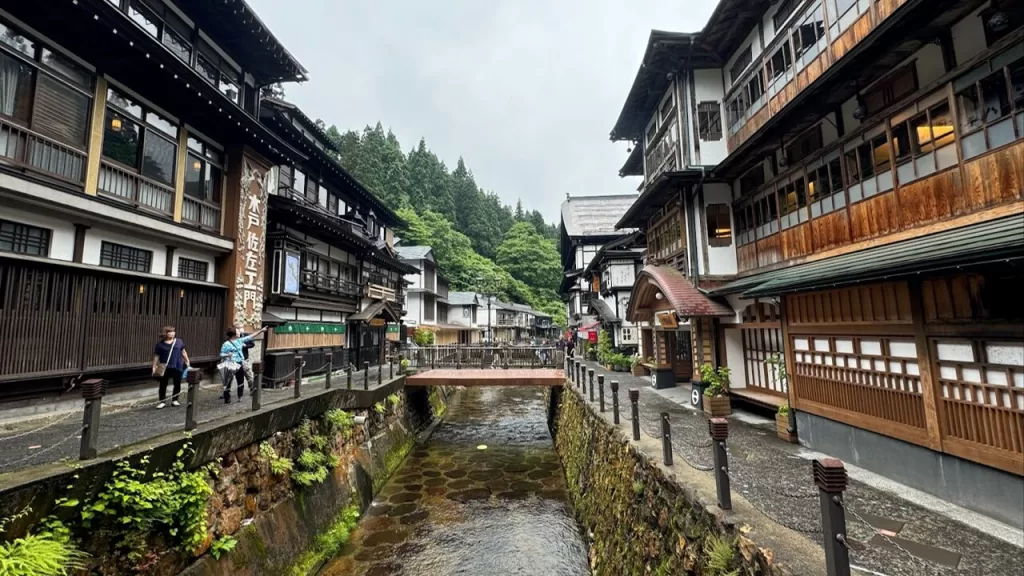
Then there is Ginzan Onsen. Its wooden ryokan, narrow river and nostalgic atmosphere create one of Japan’s most distinctive hot spring experiences.
Who should choose Tohoku?
Choose Tohoku if you love:
- Ryokan
- Onsen
- Autumn foliage
- Cherry blossoms
- Mountain scenery
- Regional cuisine
- Scenic drives
- Traditional Japanese culture
Purelifepodcast Tips
Tohoku is surprisingly accessible by Shinkansen, but renting a car once you reach the region opens up dramatically more possibilities.
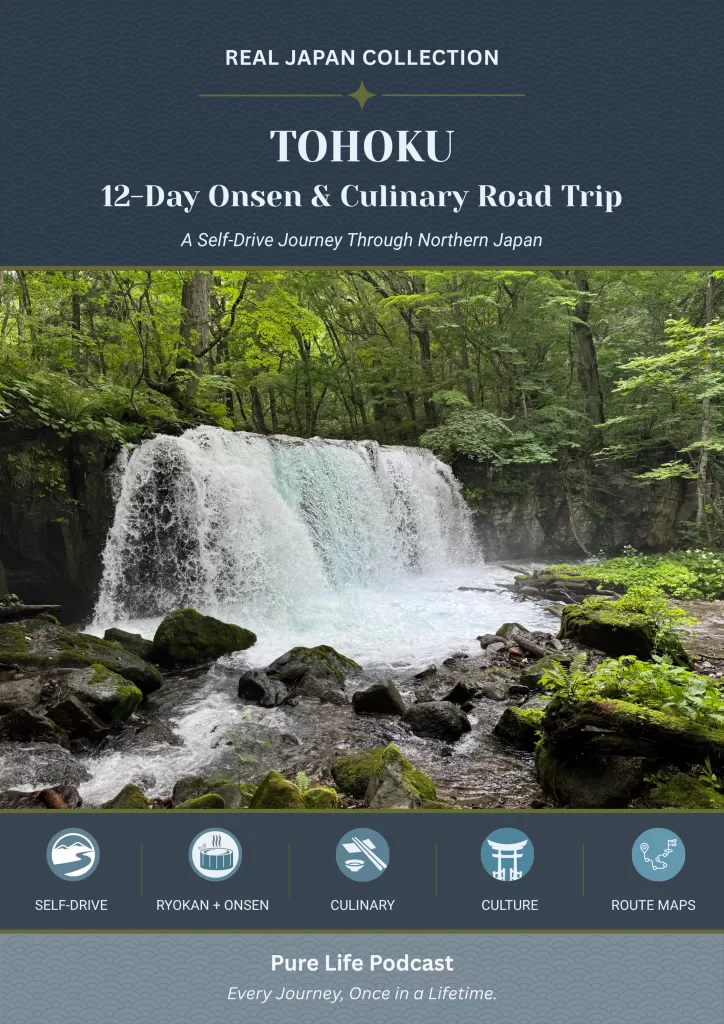
DOES TOHOKU SOUND LIKE YOUR NEXT JAPAN?
REAL JAPAN COLLECTION | VOLUME 1: TOHOKU
12-Day Onsen & Culinary Road Trip
If Tohoku feels like the Japan you want to experience next, we’ve already researched, driven and refined a journey to help you explore it.
Our 63-page digital guide combines Tokyo with a 12-day self-drive journey through five Tohoku prefectures, featuring memorable ryokan, seasonal kaiseki, extraordinary landscapes and remarkable outdoor onsen in settings from oceanfront to gorge and woodland.
You’ll get the route, daily maps, featured stays and alternatives, practical driving guidance and firsthand planning details – without having to build the journey from scratch.
A thoughtfully planned journey. Ready to make your own.
EXPLORE THE TOHOKU GUIDE →
63 Pages · 12 Days · Tokyo + Five Tohoku Prefectures · $39 · Instant Digital Access
Kyushu: For Food, Onsen and an Incredible Road Trip
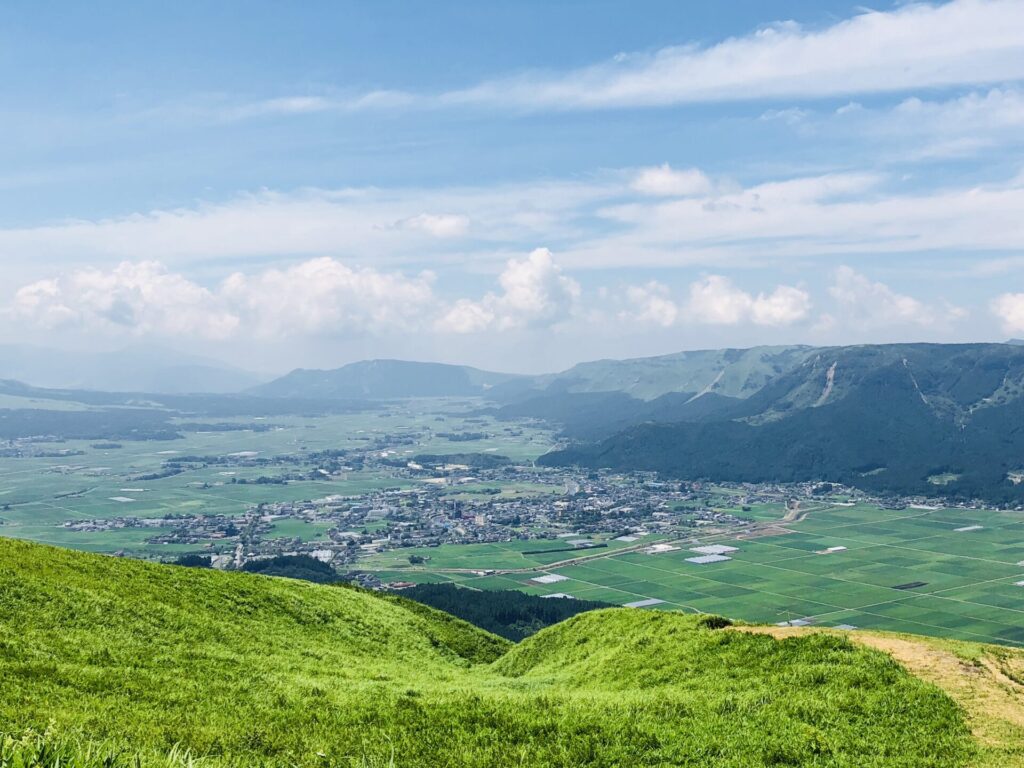
Kyushu would be another of our top recommendations for travelers planning a second trip to Japan. Japan’s southern main island feels noticeably different from the Golden Route.
Fukuoka is energetic and wonderfully food-focused. Nagasaki offers one of Japan’s most complex histories. Beppu reveals just how deeply hot springs are woven into everyday life. Travel farther and the experience changes again.
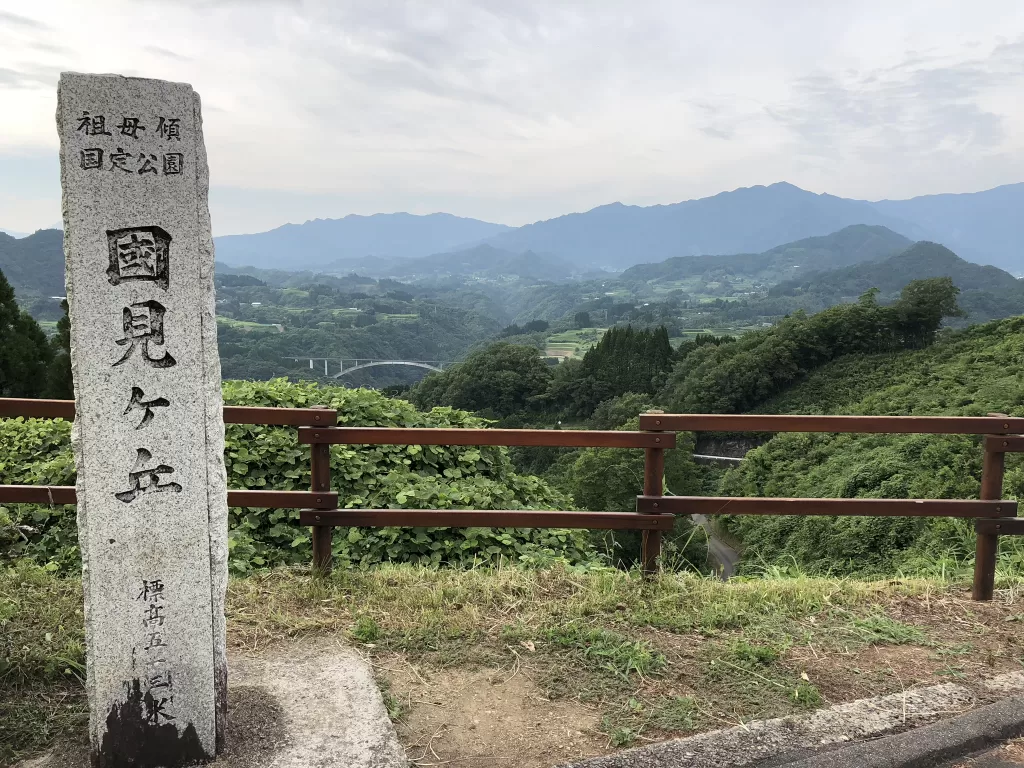
Takachiho brings mythology, mountains and Shinto traditions into the journey. Miyazaki adds beautiful coastline and a slower pace, while Kumamoto provides history, regional cuisine and access to some of Kyushu’s dramatic landscapes.
Kyushu is particularly rewarding by car because the spaces between its cities are part of the experience.
Purelifepodcast Tips
Don’t rush Kyushu. Choose fewer destinations and allow the road trip itself to become part of your itinerary.
Shikoku: For Slow Travel and Japan Beyond the Guidebooks
Shikoku surprised us. And that’s exactly why we recommend it.
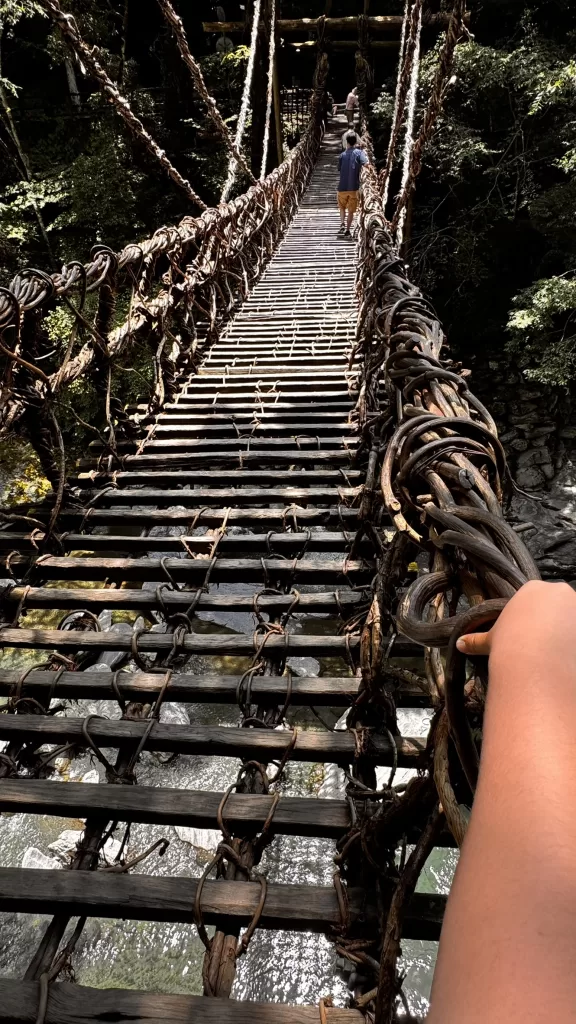
The smallest of Japan’s four main islands receives far fewer international visitors than Tokyo, Kyoto or Osaka, yet it offers dramatic gorges, coastal scenery, historic onsen, exceptional food and deeply rooted spiritual traditions.
Places like the Iya Valley feel worlds away from Japan’s major cities. Matsuyama brings you to historic Dogo Onsen, while Takamatsu provides access to excellent Sanuki udon and the islands of the Seto Inland Sea.
Shikoku doesn’t demand that you race from attraction to attraction. It rewards curiosity.
For travelers who enjoyed Japan the first time but found themselves wishing they had slowed down, Shikoku may be exactly what you’re looking for.
Southern Honshu: For Travelers Who Want to Keep Exploring
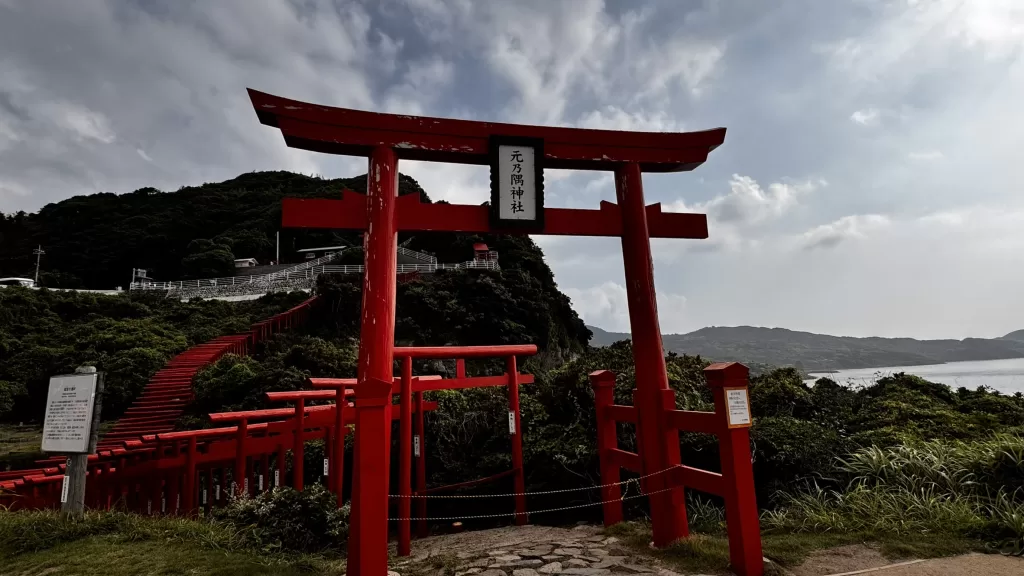
Some of Japan’s most rewarding destinations aren’t necessarily regions people outside Japan immediately recognize. Our travels through Yamaguchi, Hyogo, Tottori, Shimane and other parts of western and southern Honshu reinforced that repeatedly.
Here you’ll find beautiful coastlines, historic towns, excellent seafood, ryokan, onsen and landscapes that often receive only a fraction of the international visitors found farther east. This is also where having a rental car becomes incredibly valuable.
A destination you never intended to visit can become one of your favorite memories simply because you had the freedom to stop.
Don’t Automatically Skip Tokyo
Going deeper into Japan doesn’t mean you need to abandon Tokyo. Quite the opposite. Your second trip to Japan may actually be when you finally experience Tokyo beyond its famous attractions.
Instead of racing between Shibuya, Shinjuku and Asakusa, explore neighborhoods. Spend time in a depachika food hall. Explore the immersive and interactive exhibits at teamLab Planets Tokyo. Visit a neighborhood sento or modern onsen. Eat somewhere without a line outside. Or simply take a day trip to nearby Kamakura.
Slow down enough to notice how people actually live. Tokyo is our home city, and after decades of exploring it, we’re still discovering new places.
Consider Renting a Car
Japan has one of the world’s great railway systems. But trains aren’t always the best way to experience regional Japan. Once we’re outside the major cities, we almost always prefer having a car.
Driving gives you access to mountain roads, gorges, coastal routes, rural ryokan, small restaurants and places that can be difficult or time-consuming to reach by public transportation.
It also gives you something increasingly rare on a tightly planned vacation: Freedom. See an interesting road? Take it. Find a beautiful viewpoint? Stop. Discover a local restaurant? Have lunch.
For us, those unplanned moments have become an essential part of exploring Japan.
Build Your Trip Around Experiences, Not Checklists
This may be our biggest recommendation. Instead of starting with: “What attractions should we see?” Try asking: “What kind of Japan do we want to experience?”
- If you want onsen and ryokan, build around Tohoku or Kyushu.
- If food drives your travel, consider Fukuoka and Kyushu.
- If nature and quiet roads sound appealing, explore Shikoku.
- If traditional towns, seafood and coastlines appeal to you, explore regional Honshu.
Your second trip to Japan gives you permission to stop chasing the standard itinerary. Use it.
Is Regional Japan Difficult Without Speaking Japanese?
Generally, no. English naturally becomes less common as you move away from major tourism centers, but we’ve consistently found people throughout regional Japan patient, helpful and welcoming. Learn a few basic Japanese phrases. Be patient. Be respectful.
Also, translation apps make communication easier than ever. Most importantly, don’t let language keep you confined to Tokyo and Kyoto.
How Long Should a Second Japan Trip Be?
For travelers coming from North America or Europe, we generally recommend approximately 10–14 days whenever possible. But don’t interpret that as an invitation to cover half of Japan.
A better second trip to Japan might include Tokyo plus one region. For example:
- Tokyo + Tohoku – the combination featured in our 12-day Real Japan Collection: Tohoku Journey.
- Tokyo + Kyushu.
- Osaka + Shikoku.
- Tokyo + Southern Honshu.
Fewer hotel changes and longer stays can create a dramatically more rewarding journey.
Purelifepodcast Tips
- Choose one new region rather than six new cities.
- Stay at least one night in a traditional ryokan.
- Experience an onsen.
- Try regional dishes instead of searching only for foods you already recognize.
- Rent a car where it improves the experience.
- Leave room in your itinerary for unexpected discoveries.
- Visit Japan’s Service Areas, Parking Areas and Michi-no-Eki during road trips.
- Don’t mistake “less famous” for “less interesting.”
Explore More From Pure Life Podcast
Continue planning your Japan journey:
- Is Shikoku Worth Visiting? Why We Think You’ll Love It and What to Expect
- Exploring Regional Japan: Why Travel Beyond the Golden Route
- Discovering Tohoku: A First Look at Japan’s Scenic Northern Region
- Why Stay at a Traditional Ryokan in Japan?
- Driving in Japan: Is Renting a Car Worth It?
- Real Japan Through a Native Lens – Explore our growing collection of regional itineraries, food stories and firsthand Japan travel advice.
- Japan Travel Guides and Podcast Episodes – Find practical guidance for planning immersive travel throughout Japan.
Final Thoughts: Your Second Trip to Japan Is When Japan Really Opens Up
Tokyo, Kyoto and Osaka deserve their reputations. They are extraordinary. But they are introductions to Japan, not the entirety of it.
Beyond them are mountain villages, volcanic landscapes, hot spring towns, coastal roads, regional cuisines, centuries-old traditions and countless experiences that rarely appear on a first-time itinerary. That’s why we believe your second trip to Japan can be even better than your first.
You’ve already learned how Japan works. Now you can stop worrying about seeing everything and start discovering what makes different parts of the country unique.
Choose a region. Slow down. Stay in a ryokan. Take the scenic road. Eat what the region is known for.
And allow Japan to surprise you again.
Every Journey, Once in a Lifetime.
Plan a Deeper Journey Through Japan
Planning a trip beyond Tokyo and Kyoto? Join the Pure Life Podcast community for firsthand Japan travel guidance, regional itineraries, ryokan recommendations and practical tips shaped by a Tokyo-native perspective.
Download our free guide: 17 Things First-Time Japan Travelers Need to Know and begin planning a more confident, meaningful journey.
Disclaimer: Our blog contains affiliate links, which means we may earn a small commission at no additional cost to you when you make a purchase through these links. Additionally, please be aware that all information on our blog is subject to change. We recommend checking the respective company websites for the most up-to-date information on hours of operation, locations, costs, etc..before planning your visit. Thank you for your support and understanding!