When travelers begin planning a trip to Japan, Tokyo, Kyoto and Osaka usually come first. These cities deserve their popularity. They offer extraordinary food, cultural landmarks, vibrant neighborhoods and an accessible introduction to the country.
But they are only one part of Japan. Travel farther into the country and the experience begins to change. The train stations become smaller. Mountains replace city skylines. Meals reflect the ingredients and traditions of one particular region. The pace becomes gentler, and conversations feel less transactional.
That is the Shikoku we experienced. So, is Shikoku worth visiting? We believe it absolutely is, especially for travelers who want natural beauty, regional food, traditional hospitality and a more relaxed look at everyday Japan.
Shikoku does require more planning than the Golden Route. Transportation is less frequent, English may be limited and many of its best experiences are spread across the island. But those same qualities help preserve the slower, more personal atmosphere that makes Shikoku so rewarding.
Table of Contents
Is Shikoku Worth Visiting? The Short Answer.
If you find yourself asking “Is Shikoku worth visiting,” the answer is simple. Yes, Shikoku is worth visiting, especially for travelers who want to experience Japan beyond its largest cities and most heavily traveled attractions. Japan’s smallest main island offers rugged mountain valleys, coastal scenery, historic onsen towns, regional noodle traditions, pilgrimage culture and cities that retain a distinctly local rhythm.
During our travels, we explored:
- Naruto and its dramatic coastal setting
- Takamatsu and Kagawa’s celebrated udon culture
- Miyoshi and the remote Iya Valley in Tokushima
- Matsuyama and historic Dogo Onsen
Each destination revealed a different side of the island, but they shared one quality: Shikoku encouraged us to slow down. You do not come here to race through a checklist. You come to drive scenic roads, linger over handmade noodles, settle into a ryokan and notice the landscapes between destinations.
Key Takeaways
Shikoku is an excellent choice for repeat visitors to Japan, road-trip travelers, couples, families with older children and anyone interested in food, nature, onsen and regional culture. It is less convenient than Tokyo or Osaka, but a rental car makes many of its best destinations considerably easier to reach.
Allow at least four to five nights for a meaningful introduction. A week or longer gives you time to travel without undermining the slower pace you came to experience. Shikoku is not “undiscovered,” and its cities and famous attractions still welcome domestic tourism. However, it generally receives far fewer international visitors than Japan’s Golden Route.
Why Visit Shikoku?
Shikoku Feels Like a Different Rhythm of Japan
One of the first things we noticed was not a particular attraction. It was the pace.
Shikoku felt quieter and more spacious than the Japan many international travelers encounter. Roads wound through mountains and followed rivers. Restaurants often felt local rather than designed around tourism. Even in cities such as Takamatsu and Matsuyama, the atmosphere was more manageable than in Japan’s largest urban centers.
This does not mean there is nothing happening. Takamatsu has a lively food culture and serves as an important gateway to the Seto Inland Sea. Matsuyama combines a castle city with one of Japan’s most storied onsen districts. Naruto attracts visitors to its coastline and famous tidal whirlpools.
The difference is that Shikoku gives these experiences room to breathe.
For time-limited professionals and families, slower travel does not mean wasting precious vacation days. It means building an itinerary with fewer transitions and more memorable experiences.
The Natural Beauty Is Part of the Journey
Shikoku’s beauty is not confined to one national park or observation platform. It unfolds as you travel.
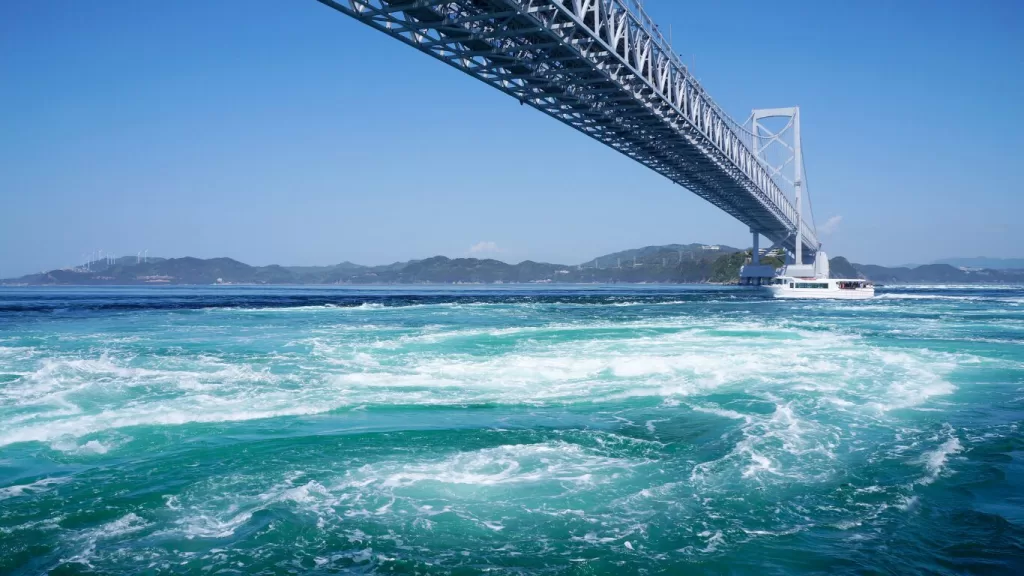
In Naruto, sea, bridges and tidal movement create a dramatic introduction to the island. The Naruto whirlpools form when strong currents move through the narrow Naruto Strait, although their visibility depends on the tide and time of day. Arriving at the right time matters, so check the tidal schedule before planning a cruise or viewing experience.
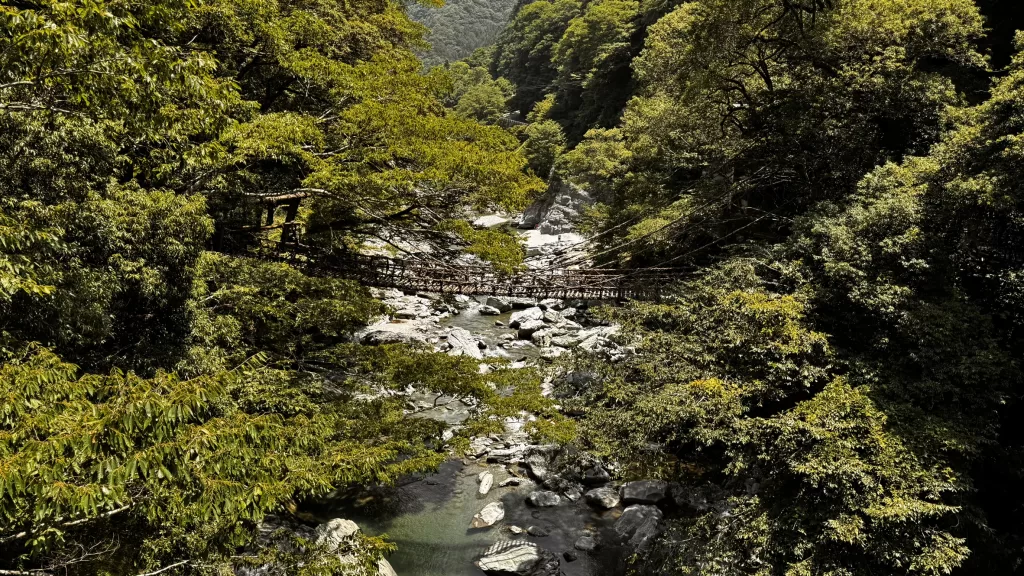
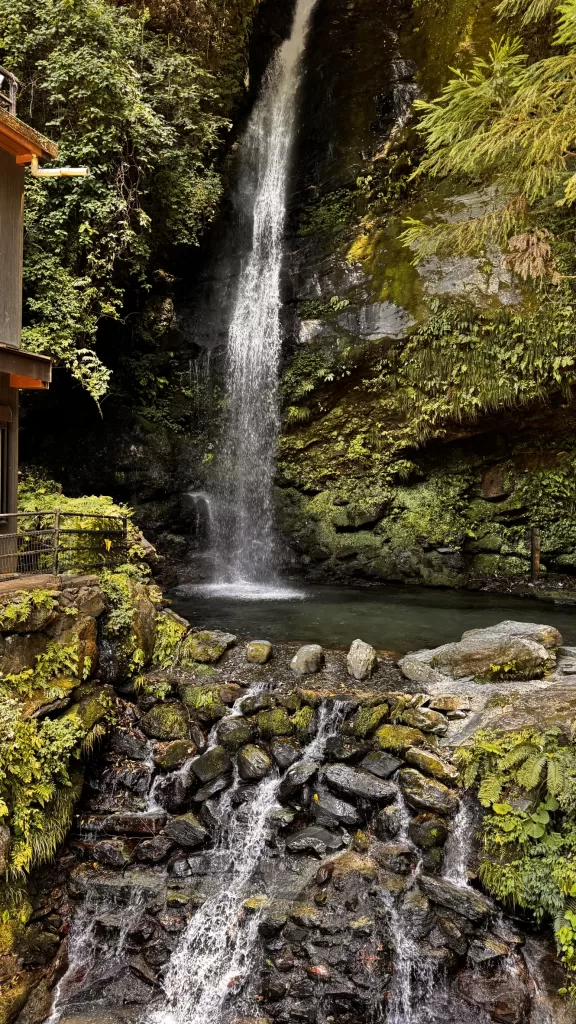
Farther inland, Miyoshi and the Iya Valley offer an entirely different landscape. The roads narrow, the mountains rise and the Yoshino River cuts through steep valleys below. The Iya Valley has long been associated with remote settlements, vine bridges and mountain traditions. Today it attracts travelers looking for hiking, river scenery, outdoor onsen and a quieter side of Tokushima.
This was one of the places where having a rental car made the greatest difference. Public transportation exists, but it does not always align conveniently with the locations or pace of an independent itinerary. A car allowed us to stop when the scenery caught our attention, travel directly between accommodations and avoid shaping the entire day around limited bus schedules.
Naruto: A Dramatic Gateway to Shikoku
Naruto is often treated as a brief stop, but it deserves more than a rushed photograph. The region’s defining attraction is the Naruto Strait, where powerful tidal currents can create visible whirlpools beneath the bridges connecting Shikoku with Awaji Island. Boat trips bring travelers closer to the water, while observation areas along the bridge (actually right under road) provide elevated perspectives.
Yet Naruto also introduces the coastal character of eastern Shikoku. The sea is never far away, and the transition from the heavily traveled Kansai region into Tokushima feels immediate. For road-trip travelers entering from Osaka, Kobe or Awaji Island, Naruto works naturally as the beginning of a broader Shikoku itinerary. From here, you can continue toward Tokushima, the Iya Valley or Kagawa.
Purelifepodcast Tips
Do not schedule your visit based only on opening hours. Check the tide forecast first, then build the rest of your Naruto plans around the best viewing window.
Takamatsu: Come for the Gardens, Stay for the Udon
Takamatsu is approachable, attractive and easy to enjoy. It has enough city energy to support several days of exploring, but it rarely feels overwhelming. It is also one of the best places to understand how deeply food and regional identity are connected in Japan.
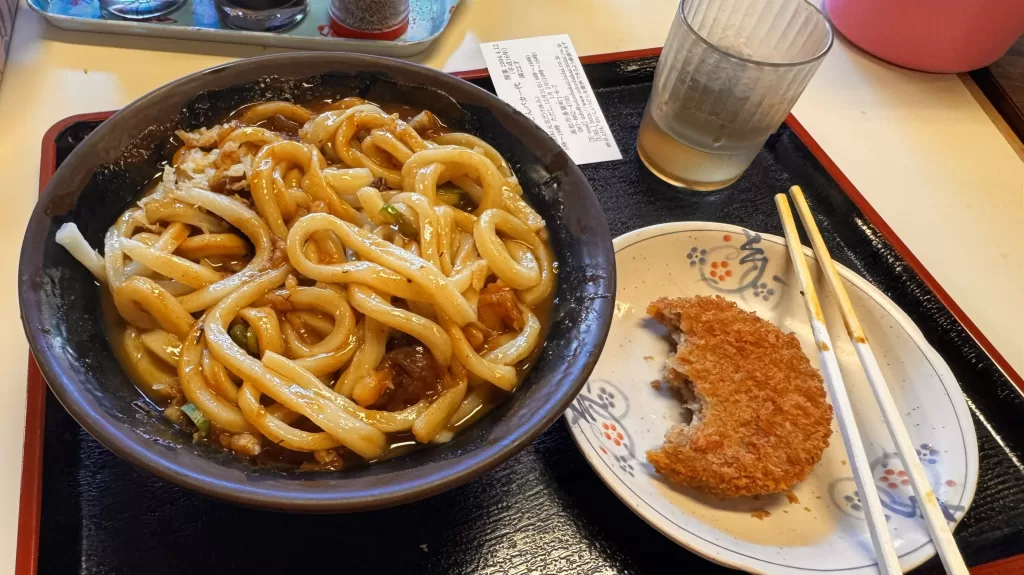
Kagawa Prefecture is synonymous with Sanuki udon. These thick, firm noodles are served in numerous styles, from simple bowls with broth and scallions to chilled noodles, hot noodles, tempura accompaniments and self-service combinations.
The experience is often refreshingly casual. Some restaurants open early and close once the day’s noodles are sold. Others operate cafeteria-style, allowing diners to choose noodles, toppings and tempura before moving quickly through the line. The simplicity is part of the appeal. When the noodles are made well, they do not need excessive embellishment.
Takamatsu also provides access to Ritsurin Garden, the waterfront and ferries serving islands across the Seto Inland Sea. Travelers can use the city as a comfortable base for Naoshima, Teshima or Shodoshima, although each island deserves thoughtful planning rather than being added merely to fill a day.
Purelifepodcast Tips
Try more than one udon restaurant. The texture, broth and ordering style can vary, and comparing bowls is part of the experience.
Miyoshi and Iya Valley: Shikoku at Its Most Immersive
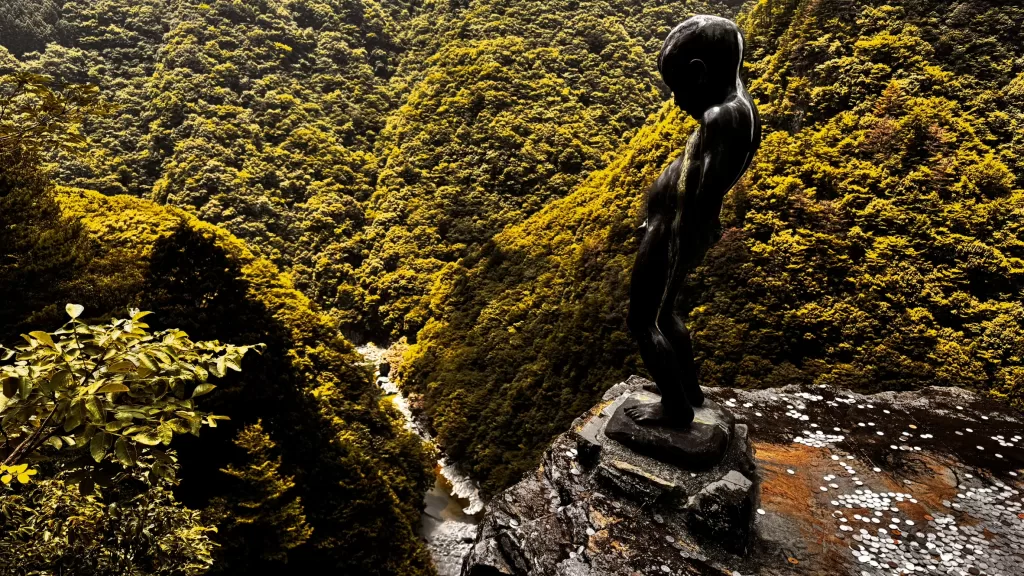
The Iya Valley embodies much of what travelers hope to find when they imagine a more remote Japan. The scenery is dramatic but not staged. Villages cling to mountain slopes. Rivers run through deep gorges. Roads reveal views that encourage you to stop rather than hurry to the next destination.
The area’s famous vine bridges are compelling, but the valley is larger than a single attraction. Oboke and Koboke offer river scenery and outdoor activities, while traditional accommodations and onsen create reasons to stay overnight.
Soba is especially fitting here. Unlike Kagawa’s udon, which reflects a different landscape and food tradition, Iya soba is associated with the mountainous interior. The noodles may feel more rustic and less polished than what travelers expect in a major city, but that is precisely what connects the meal to the place.
Eating local soba after driving through the surrounding mountains makes the experience more meaningful than simply ordering another familiar Japanese dish.
The Iya Valley also demonstrates why Shikoku is worth visiting slowly. Attempting to see it as a quick detour can turn its winding roads and dispersed attractions into logistical burdens. Staying overnight allows the valley’s quiet to become part of the trip.
Purelifepodcast Tips
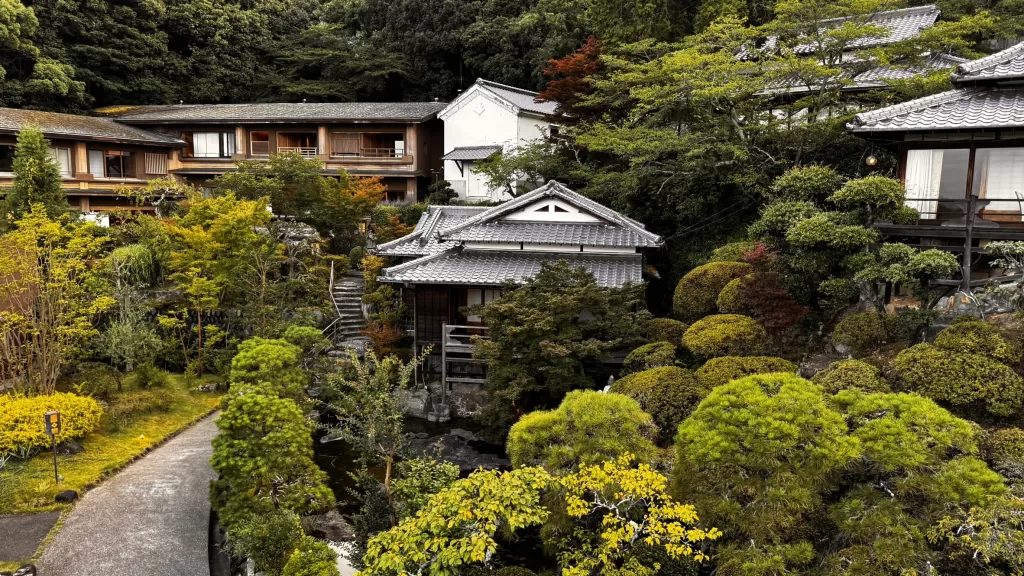
Choose your accommodation for the experience, not only the location. A ryokan, mountain inn or property with an onsen can become one of the strongest memories of your visit.
Matsuyama and Dogo Onsen: Tradition Without Leaving the City
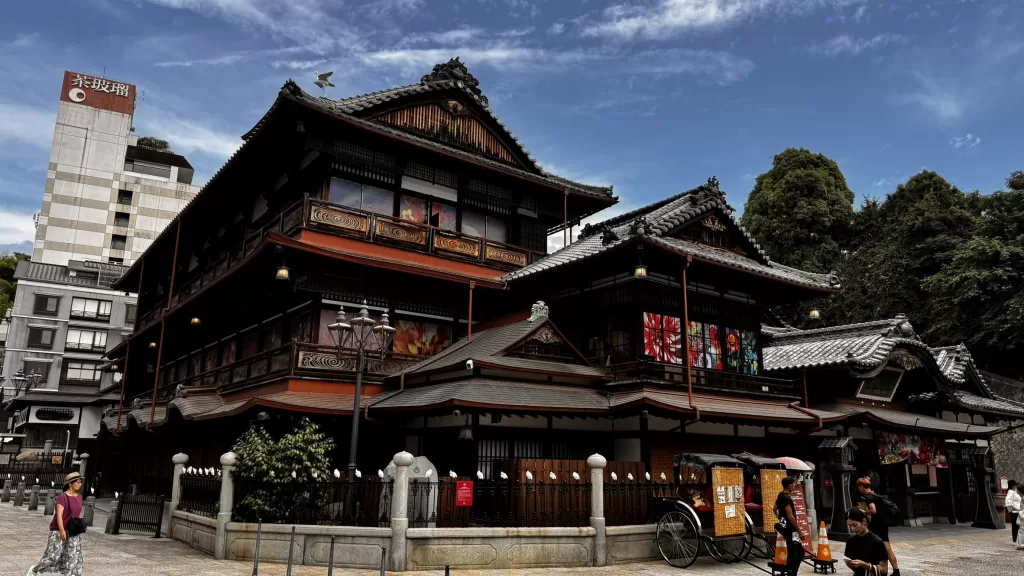
Matsuyama gives travelers a different kind of Shikoku experience. It is a lively regional city with local transportation, shopping, restaurants and Matsuyama Castle overlooking the city. Yet a short journey brings you to Dogo Onsen, where bathhouse culture and traditional hospitality shape the neighborhood.
Dogo Onsen Honkan is among Japan’s most historically significant public bathhouses. Its wooden architecture and long cultural association with bathing have made it one of Shikoku’s best-known landmarks. The surrounding district contains ryokan, shops, footbaths and streets that become especially atmospheric in the evening.
This is an excellent place to plan a ryokan stay. After checking in, guests can change into yukata, enjoy an onsen, walk through the neighborhood and return for a carefully prepared dinner. That sequence matters. A ryokan is not simply a hotel with Japanese décor. The arrival, bathing, meal, room preparation and morning routine together create the experience.
For comfort-luxe travelers, Dogo provides an ideal balance. You can enjoy historic Japan, attentive hospitality and regional cuisine without sacrificing comfort or convenient city access.
Shikoku’s Food Is a Reason to Visit
Traveling through Shikoku reinforces something we believe strongly: regional food is one of the best ways to understand Japan.
- In Kagawa, udon is not merely an item on a menu. It is part of daily life.
- In the Iya Valley, soba reflects the mountain setting and agricultural history.
- Tokushima has its own ramen style and regional ingredients. Ehime is associated with citrus, seafood and tai meshi, a sea bream rice dish prepared in styles that differ across the prefecture.
A journey through Shikoku allows you to taste how geography shapes cuisine. Coastal communities cook differently from mountain settlements. Broths, noodles, fish and citrus vary from one prefecture to the next.
This is another reason Shikoku is worth visiting for travelers who already know sushi, ramen and tempura but want to understand Japanese food beyond its internationally familiar dishes.
Who Will Love Shikoku?
Shikoku is particularly well suited to:
- Repeat visitors ready to move beyond Tokyo, Kyoto and Osaka
- Travelers comfortable driving in Japan
- Couples seeking quiet, scenic and culturally meaningful experiences
- Families with teens or adult children who enjoy food and nature
- Onsen and ryokan enthusiasts
- Travelers interested in cycling, hiking or pilgrimage culture
- Food-focused travelers
- People who prefer a thoughtfully paced itinerary
It may be less suitable for travelers who want constant nightlife, frequent English-language services or a highly compressed itinerary based entirely on trains. First-time visitors can certainly include Shikoku, but we would not recommend sacrificing everything on the Golden Route simply to claim a more “authentic” trip. Tokyo and Kyoto are real Japan too. The better question is what combination gives you the trip you personally value.
What to Expect When Visiting Shikoku
Expect transportation to require more thought than it does in Tokyo.
Expect some restaurants and attractions to keep limited hours.
Expect English to be less common, especially in rural areas.
Expect roads in mountain regions to become narrow and winding.
Expect warm hospitality, beautiful scenery, satisfying regional food and moments that feel far removed from Japan’s busiest visitor corridors.
Most importantly, expect Shikoku to reward flexibility. Leave room for a longer lunch, an unexpected scenic stop or a quiet evening at your ryokan.
Is Shikoku Worth Visiting: FAQs
Q: Is Shikoku worth visiting for first-time travelers?
Yes, although it depends on the length and priorities of your trip. First-time visitors with only seven to ten days may prefer Tokyo, Kyoto and Osaka. Travelers with two weeks or more can add part of Shikoku without rushing. Repeat visitors are especially likely to appreciate the contrast.
Q: How many days do you need in Shikoku?
Four to five nights provide a useful introduction, but seven to ten nights are better for combining Naruto, Takamatsu, Iya Valley and Matsuyama at a comfortable pace. Longer itineraries can include Kochi, the Shimanami Kaido, pilgrimage temples and the Seto Inland Sea islands.
Q: What is the best way to get around Shikoku?
Trains connect the principal cities, and buses serve many towns and attractions. However, services become less frequent in rural areas. For maximum flexibility, we recommend renting a car. This is especially useful for the Iya Valley, mountain accommodations, scenic drives and travel between places that would otherwise require multiple connections.
Driving also gives you control over departure times, luggage and spontaneous stops. Visitors generally need a valid license and the appropriate International Driving Permit based on their home country. Reserve an ETC card with your rental company when possible for easier toll-road travel.
Q: Can you visit Shikoku without a car?
Yes. Takamatsu and Matsuyama are manageable by train, tram, bus and taxi. Ferries also connect Takamatsu with several Setouchi islands. However, a car becomes more valuable when visiting Iya Valley, remote ryokan and rural attractions. A hybrid itinerary can work well: use public transportation in the cities and rent a car for the countryside.
Q: Is driving in Shikoku difficult?
Major highways and city roads are generally manageable. Mountain routes may be narrow, steep and winding, particularly around Iya Valley. Japan drives on the left. Choose a smaller vehicle, request English-language navigation, avoid driving unfamiliar mountain roads after dark and allow more time than the distance alone suggests.
Q: When is the best time to visit Shikoku?
Spring and autumn generally offer comfortable conditions and attractive scenery. Summer can be hot and humid, although it also brings festivals and vibrant green landscapes. Winter is quieter, but mountain driving may require additional care depending on weather and elevation – and many mountain roads do require chains.
Final Thoughts: Is Shikoku Worth Visiting?
Is Shikoku worth visiting if you want a slower, more regional and more immersive experience of Japan? For us, the answer is an enthusiastic yes.
Naruto introduced us to Shikoku’s dramatic coast. Takamatsu revealed the depth of its udon culture. The Iya Valley brought us into the mountains, where scenery, soba and winding roads shaped the journey. Matsuyama and Dogo Onsen combined city life with one of Japan’s most atmospheric bathing traditions.
Shikoku will not give you the convenience or constant stimulation of Tokyo. That is part of its value. Rather, it gives you space to notice the details: the texture of freshly made noodles, the sound of a river below a mountain road, the ritual of changing into yukata before dinner and the kindness of people who are welcoming you into their region.
The Golden Route may introduce you to Japan. Shikoku can help you experience the country more deeply.
Explore More from Pure Life Podcast
Continue planning your Japan journey:
- Exploring Regional Japan: Why Travel Beyond the Golden Route
- Discovering Tohoku: A First Look at Japan’s Scenic Northern Region
- Why Stay at a Traditional Ryokan in Japan?
- Driving in Japan: Is Renting a Car Worth It?
- Real Japan Through a Native Lens – Explore our growing collection of regional itineraries, food stories and firsthand Japan travel advice.
- Japan Travel Guides and Podcast Episodes – Find practical guidance for planning immersive travel throughout Japan.
Plan a Deeper Journey Through Japan
Planning a trip beyond Tokyo and Kyoto? Join the Pure Life Podcast community for firsthand Japan travel guidance, regional itineraries, ryokan recommendations and practical tips shaped by a Tokyo-native perspective.
Download our free guide: 17 Things First-Time Japan Travelers Need to Know and begin planning a more confident, meaningful journey.