Updated October 19, 2026
A Yosemite Weekend Trip Itinerary Worth Slowing Down For
With two days in Yosemite, we would spend the first exploring Yosemite Valley and the second enjoying Glacier Point Road viewpoints, when conditions allow, or taking more time on the Valley floor. That gives you the granite scenery, waterfalls and outdoor time that make a Yosemite weekend memorable without turning every stop into a race.
Our family favorites range from biking beneath the Valley’s towering cliffs to hiking around Lembert Dome and Dog Lake in the high country. They belong to different parts of a very large park, so this guide separates an achievable two-day itinerary from the adventures worth saving for a longer stay.
Short on Time? Your Yosemite Weekend at a Glance
- Only two days? Explore Yosemite Valley on Day 1, then choose Glacier Point Road or a slower Valley day for Day 2.
- First-time visitor? Prioritize Tunnel View, El Capitan, Lower Yosemite Fall and the Valley’s extraordinary granite scenery.
- Traveling with children? Choose shorter walks and relaxed Valley activities; exposed dome summits and cliff edges need a different level of care.
- Where to stay? The Ahwahnee offers historic atmosphere inside the Valley; Yosemite Valley Lodge puts park exploration first; Tenaya at Yosemite offers a resort base near the South Entrance.
- Our PLP Tip: Build your weekend around one or two areas. Two days can cover the highlights, but leave the high country for another day if Glacier Point Road is your priority.
Is Two Days Enough for Yosemite?
Yes, for a first taste of the park, especially if you arrive the evening before and have two full sightseeing days. If your weekend also includes long drives to and from home, shorten the plan. We would rather enjoy a few places properly than spend our limited vacation time moving between distant trailheads.
Your Yosemite Weekend Itinerary at a Glance
- Day 1: Tunnel View and El Capitan viewpoints, Lower Yosemite Fall, lunch and an optional Valley bike ride.
- Day 2, roads open: One main hike along Glacier Point Road, followed by scenic overlooks.
- Day 2, roads closed or a gentler pace: More Valley sights and shorter walks.
- Optional third day: Tioga Road, Tuolumne Meadows and a high-country hike.
Day 1 — Explore Yosemite Valley
Morning: Tunnel View, El Capitan and Lower Yosemite Fall
Start early and work with the direction of your arrival route. Tunnel View is a natural first stop when approaching on Wawona Road; from another entrance, visit when it fits your driving route. Pause at designated El Capitan viewpoints, then park for the central Valley portion of your day. Leave time simply to look up: the scale of these cliffs is the reason we come.
Lower Yosemite Fall is the manageable waterfall walk here: an easy 1-mile loop with about 50 feet of elevation gain, taking roughly 30 minutes before photo stops. The eastern section is wheelchair accessible when free of snow and ice. Expect spray and slippery surfaces in spring; Yosemite Falls can be dry by late summer.
Lower and Upper Yosemite Falls are very different outings. The hike to the top of Yosemite Falls is strenuous: 7.2 miles round trip, 2,700 feet of elevation gain and approximately 6–8 hours. Give it a dedicated hiking day if it suits your experience and fitness.
Lunch and Afternoon: Curry Village or a Valley Bike Ride
Stop at Curry Village for a casual meal, such as the Pizza Deck when open. Check seasonal dining hours before relying on a particular outlet. Then choose a relaxed walk or a bike ride along the Valley’s designated paved paths.
Bicycle rentals are seasonal at Curry Village, Yosemite Village and Yosemite Valley Lodge. Standard rentals are first-come, first-served; advance reservations are limited to ADA bicycles. Children under 18 must wear helmets. Follow posted rules and the rental operator’s route restrictions.
Evening: Stay in the Valley or Make Glacier Point Optional
Our easier finish is dinner and evening views in the Valley. Glacier Point can be an optional sunset outing when its road is open, everyone has energy and there is enough daylight. NPS estimates about an hour of driving each way from the Valley before traffic and parking. Allow for the return after dark, bring layers and a headlamp, and carry food and water rather than relying on late services. If Glacier Point is your Day 2 plan, enjoy the Valley tonight.
Prefer Someone Else to Handle the Driving?
For travelers based near the South Entrance, the optional Discover Yosemite full-day sightseeing tour includes lunch and pickup from selected locations in Oakhurst, Coarsegold, Bass Lake and Fish Camp. Confirm your exact pickup location, seasonal stops, mobility requirements and entrance-fee inclusions before booking. This replaces a self-guided sightseeing day; the park’s ordinary walks do not require a paid tour.
Day 2 — Choose Scenic Viewpoints or a Slower Valley Day
Option A: Glacier Point Road, When the Road and Trails Are Open
Make this one area’s day. Drive up with a picnic, plenty of water and layers; choose one main hike, then continue to Washburn Point and Glacier Point as time and parking allow. The road typically opens in late spring and closes in fall, but snow and other conditions determine access. An open road does not guarantee dry, safe trails.
The NPS Glacier Point Road hiking guide lists:
- Sentinel Dome: 2 miles round trip, 400 feet of elevation gain and about 1–2 hours. Treat this as a moderate outing with a granite scramble at the summit, rather than an effortless family stroll. Stay off the dome during thunderstorms.
- Taft Point: 2.2 miles round trip, with 200 feet of climbing on the return and about 1–2 hours. The walk is relatively short, but the viewpoint has severe exposure. Fissures and cliff edges have serious drop-offs; a small railing does not protect the whole rim. Keep well back, supervise children closely and choose another walk if exposure is uncomfortable.
Fit, experienced hikers can consider both trails if conditions, daylight and energy allow, but one is enough for a rewarding day. A short walk from the Glacier Point parking area offers remarkable views without a dome scramble. There is no regular Valley shuttle to Glacier Point or these trailheads; arrange transport in advance if you are not driving.
Option B: Yosemite Valley, for Closed Roads or a Gentler Pace
Start with Bridalveil Fall if it fits your driving route: the easy walk from the main parking area is 0.5 mile round trip, with about 80 feet of elevation gain. Stay on the paved route and expect wet or icy surfaces. This area is not served by the Valley shuttle.
Then return to central or eastern Valley sights. Consider the paved approach to Mirror Lake: 2 miles round trip to the lake and back, about 100 feet of elevation gain and roughly an hour of walking. It is a different outing from the full 5-mile loop, which is not a stroller route. Water is fullest in spring and early summer; by late summer the lake may resemble a meadow. Shorten or skip walks when snow or ice makes footing unsafe.
Leave the afternoon flexible for scenic stops, a picnic or another bike ride when rentals operate. In winter, favor accessible Valley viewpoints and check road, trail and chain conditions before setting out.
Optional Third Day — Tuolumne Meadows and the High Country
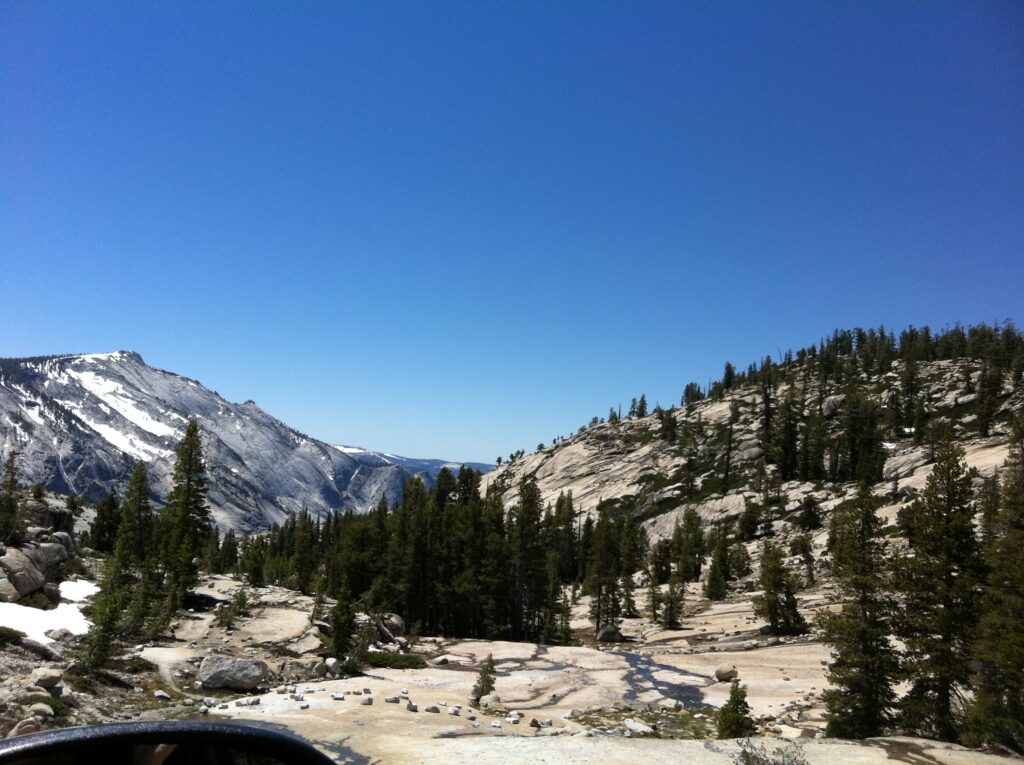
Tuolumne Meadows deserves its own day, or can replace the whole Glacier Point Road day if the high country is your priority. NPS driving estimates put it about 1.5 hours from Yosemite Valley each way, before stops and delays. Vehicle access depends on Tioga Road, which usually opens in late spring or early summer and closes after autumn snow.
Lembert Dome and Dog Lake remain among our family’s favorite Yosemite hikes for the alpine scenery and sense of space. The combined route from Dog Lake parking is 3.8 miles round trip, gains a steep 850 feet and takes around 3–4 hours. The elevation and unmarked bare-rock summit section make it best for families comfortable with a more demanding hike. Stay off exposed domes in thunderstorms.
For an easier high-country day, choose the mostly flat 1.4-mile round-trip Soda Springs and Parsons Lodge walk instead. A section of the John Muir Trail toward Lyell Canyon is another separate hiking choice, rather than a bonus after several other hikes. Carry your food and water, and check current trail closures and road conditions; construction can change access around Lembert Dome.

Where to Stay in Yosemite
For a two-day visit, your base determines how much time you spend exploring. Choose The Ahwahnee for historic atmosphere in the Valley, Yosemite Valley Lodge for practical access to park sights, or Tenaya at Yosemite for resort amenities near the South Entrance. Outside the Valley, allow substantial driving time each day.
The Ahwahnee — Historic Atmosphere and an Exceptional Location
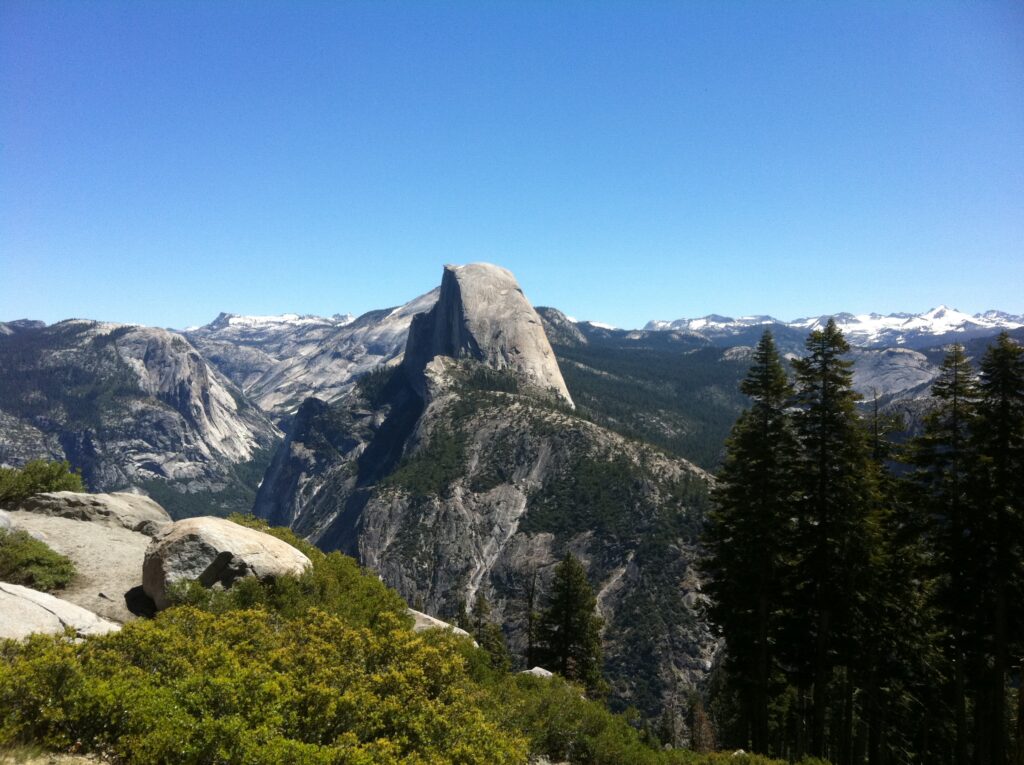
This iconic hotel in eastern Yosemite Valley brings together historic charm and extraordinary scenery. The restaurant is amazing and the building itself is impressive, but what we really love is the location, with views of Glacier Point, Half Dome and, especially in spring, the waterfalls.
Valley shuttle access helps reduce the search for parking during sightseeing. Stargazing from the Valley feels on a whole different level, and The Ahwahnee at night, especially under a clear sky, is unforgettable. It is a memorable splurge for couples, history lovers and travelers who value being right in the landscape.
Before booking: Compare room categories, current dining arrangements and any property notices; book early for popular dates.
Tenaya at Yosemite — Our Family Resort Pick Near the South Entrance
Tenaya at Yosemite, also known as Tenaya Lodge, is in Fish Camp outside the park near its South Entrance. We love staying here: the rooms are comfortable, the staff is wonderful and there is plenty to do. The outdoor BBQ dinner was a hit with our whole family, and the food was a highlight of our stay.
The resort atmosphere, dining and recreation make it appealing for families and multigenerational trips. Nearby trails and Bass Lake add options for a longer stay, including boating and fishing outside Yosemite. Check which pools, activities and dining experiences operate on your dates.
The tradeoff: You are close to the entrance, rather than Yosemite Valley. Allow roughly an hour or more each way to Valley sights, with considerably longer journeys possible in traffic or winter conditions. For a short weekend, weigh those drives against the resort experience. Dog-friendly rooms and cottages are available; confirm the exact accommodation, restrictions and fees directly.
Yosemite Valley Lodge — A Practical Base for Park Exploration
Yosemite Valley Lodge is convenient for Yosemite Falls and a useful base for travelers prioritizing trails, waterfalls and early starts. Its main advantage is time saved in the Valley, with dining and shuttle access nearby.
Compare total rates and room availability rather than assuming it is a budget stay. In-park demand can make it expensive, especially on popular weekends. For hikers and families who want more park time and less driving, the location can still offer compelling value.

Getting There, Parking and Entrance Requirements
Common approaches are Highway 120 from the west to Big Oak Flat, Highway 140 to Arch Rock and Highway 41 to the South Entrance. Access from the east depends on seasonal Tioga Road. Check your entire route before departure, especially in winter.
Entrance Fees, Passes and Reservations
Checked October 19, 2026: The standard private-vehicle entrance fee is $35 for seven consecutive days. Under current rules, non-U.S. residents aged 16 and older pay an additional $100 per person unless admitted under a qualifying annual or America the Beautiful pass. See the official NPS fees and pass rules for coverage and eligibility.
The America the Beautiful annual pass currently costs $80 for U.S. citizens and residents or $250 for non-U.S. residents. Compare coverage for your group and travel plans; lodging, camping and other reservations are separate.
Yosemite is not using a timed entrance reservation system in 2026. Recheck the NPS entrance reservation page for your travel year. A park entry reservation, when required, is different from a hotel booking, campsite reservation or hiking permit.
Parking and Shuttles
Arrive early, use designated parking and leave your car parked for the central Valley portion of the day. Entrance queues and parking delays can consume hours on busy weekends; use NPS traffic guidance to plan. The free Valleywide and East Valley shuttles serve different areas of the Valley. Check current routes and service notices; high-country transport is seasonal, and there is no regular free shuttle to Glacier Point.
Winter Access
Yosemite Valley remains a year-round destination, weather permitting, while Glacier Point Road beyond the ski area and Tioga Road close seasonally. From November through March, expect chain requirements; controls can also occur in shoulder months. All vehicles, including four-wheel-drive and rental vehicles, must carry chains when entering a chain-control area and fit them when required. Review NPS tire-chain guidance and your rental agreement.
Best Time for a Yosemite Weekend
Our favorite season is spring and early summer, when waterfalls are roaring and wildflowers add color. Popular spring weekends can still be very busy, and the high roads may remain closed. Summer offers the broadest high-country access once snow clears, along with crowds, heat and possible wildfire smoke. Fall can be lovely for hiking when roads remain open, but waterfalls may be low or dry. Winter rewards a slower Valley visit with snow and granite scenery, provided you plan for ice, storms and limited access.
What to Book in Advance
- Lodging: Reserve as soon as your dates are firm. In-park lodging may open up to 366 days ahead; review cancellation terms and current property notices.
- Campsites: Booking windows vary by campground. Follow the campground’s official release schedule rather than assuming a universal six-month window.
- Dining and tours: Reserve sought-after meals or a guided outing where offered; check seasonal operations and pickup locations.
- Hiking permits: The ordinary day hikes in this guide do not need a wilderness permit. Overnight wilderness trips require one; Half Dome requires a separate permit when the cables are up. See NPS wilderness permit rules.
- Bikes and water activities: Standard bike rentals are first-come, first-served. Seasonal raft rentals operate from Curry Village when conditions permit; do not count on Valley kayak rentals. Experienced paddlers bringing their own craft must follow NPS boating rules, water-level restrictions and flotation-device requirements. Bass Lake is a separate excursion outside the park.
Our PLP Tips for a Better Weekend
- Protect your time: Pick one main activity each day and leave room for traffic, meals and the views that make you stop.
- Pack layers, trail shoes and a headlamp: Bring water, snacks, sun protection and a rain jacket even when the forecast looks promising. Add appropriate winter gear in cold weather.
- Check conditions twice: Review current NPS road and trail notices before departure and again before driving to higher trailheads. Pack offline maps.
- Give wildlife space: Follow food-storage rules, keep food attended and stay well away from river edges and slippery rocks.
Yosemite Weekend Itinerary: Frequently Asked Questions
Q: Is two days enough for Yosemite National Park?
Yes, for Valley highlights and one additional area. Allow two full sightseeing days; save Tuolumne Meadows or a strenuous summit hike for a longer trip.
Q: What should first-time visitors prioritize?
Tunnel View, El Capitan viewpoints, Lower Yosemite Fall and time on the Valley floor. Add Glacier Point when seasonal access and your schedule allow.
Q: Is it better to stay inside Yosemite Valley?
For a short visit focused on Valley sights, the time savings are substantial. Tenaya offers a resort experience near the South Entrance, with a longer commute to the Valley.
Q: What is the best time of year for a Yosemite weekend?
Spring and early summer are our favorites for waterfalls. Choose summer or early fall for higher-elevation hiking once roads and trails are open. Winter requires a different, Valley-focused plan.
Q: Do you need a reservation to enter Yosemite?
No timed entrance reservation is required in 2026. Check NPS for your travel year; lodging, camping and applicable hiking permits remain separate requirements.
Q: Can you visit Yosemite without strenuous hiking?
Absolutely. Scenic viewpoints, Lower Yosemite Fall, short paved walks and the Valley shuttle can fill a wonderful weekend. Choose routes for your mobility and current conditions.
Q: Can you bring a dog to Yosemite?
Yes, with significant restrictions. Pets are allowed in developed areas and on designated paved roads, sidewalks and bicycle paths where signed, but not on most hiking trails, meadows or shuttle buses. Keep them attended on a leash no longer than six feet. Review the NPS pet rules before choosing walks; a dog-friendly hotel does not make the park’s trails dog-friendly.
Q: What changes when Glacier Point Road or Tioga Road is closed?
Use the Valley alternative for Day 2. You cannot drive to Glacier Point when its access road is closed, or reach Tuolumne Meadows by car when Tioga Road is closed. Check conditions and avoid routing across Tioga Pass in winter.

Explore More California Travel
- 12 Best Northern California Day Trips — more of our favorite escapes for a longer California visit.
- Episode 42: Road Trip to Mammoth Lakes — inspiration for another Sierra adventure. A route across Tioga Pass depends on seasonal road access.
- California Travel Guides — explore more of our firsthand California travel.
Your Yosemite Weekend: Final Thoughts
Yosemite is a place that reconnects us with nature, slows us down and creates memories that last. From the Valley’s granite walls to the high-country trails our family loves, there is always a reason to return.
For this weekend, choose the sights that matter most, give them enough time and let the season shape the route. The rest can be the beginning of your next California and national park adventure.
Every Journey, Once in a Lifetime.
Information, fees, access rules and operating schedules can change. Check the linked NPS and provider websites for the latest conditions before traveling.
Some links in this article are affiliate links. If you book through them, Pure Life Podcast may earn a commission at no additional cost to you.