What to Wear in Morocco: Effortless, Modest & Travel-Smart
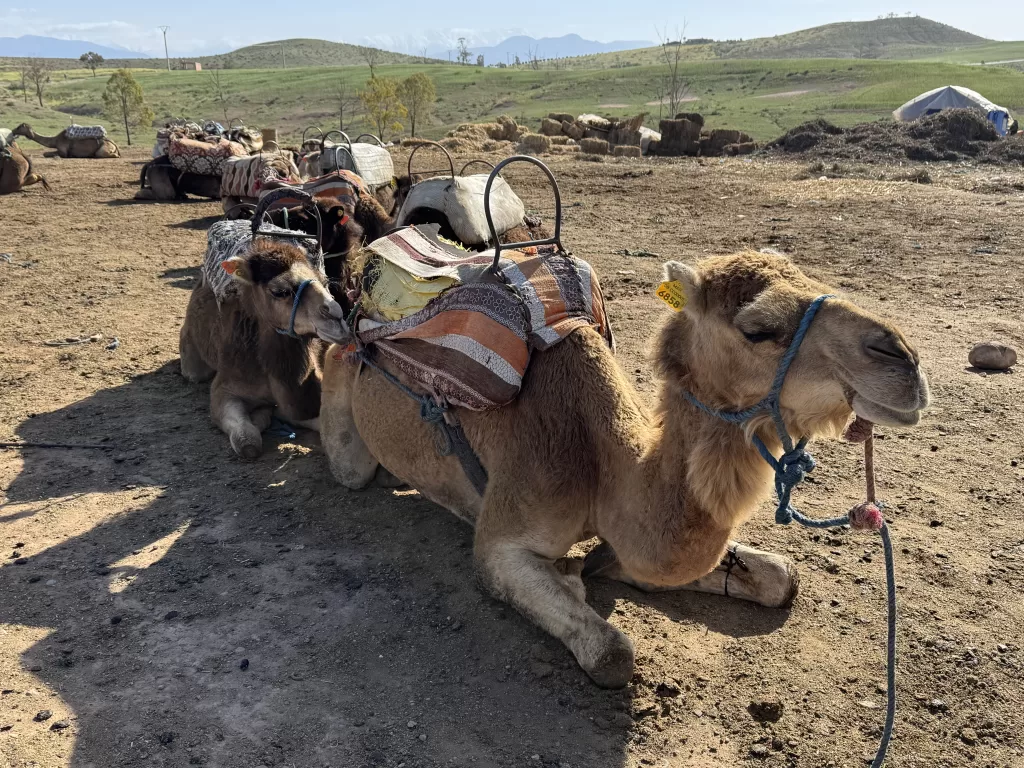
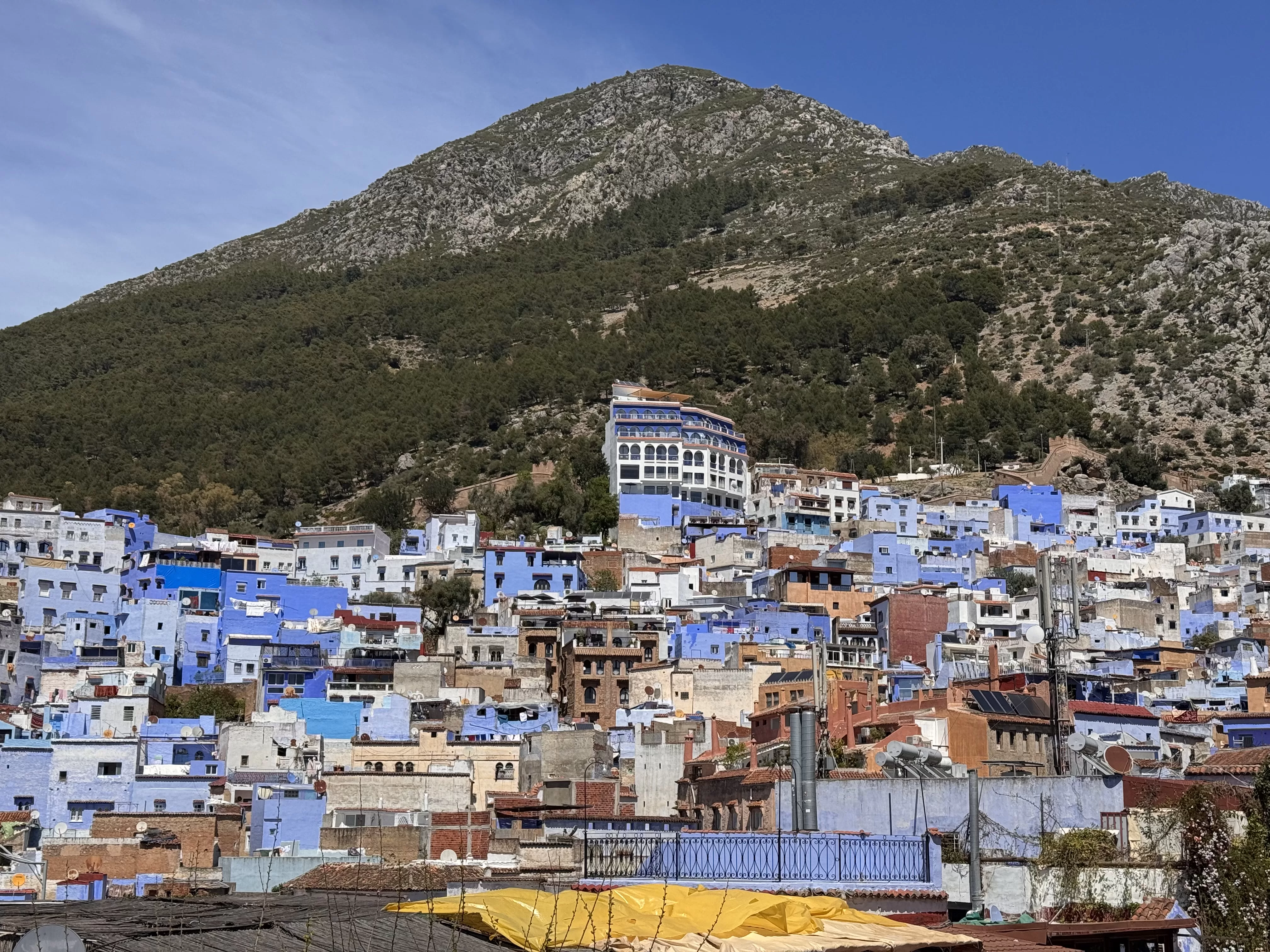
Planning a trip to Morocco – whether you’re heading to Marrakech, the Agafay Desert, or the blue streets of Chefchaouen
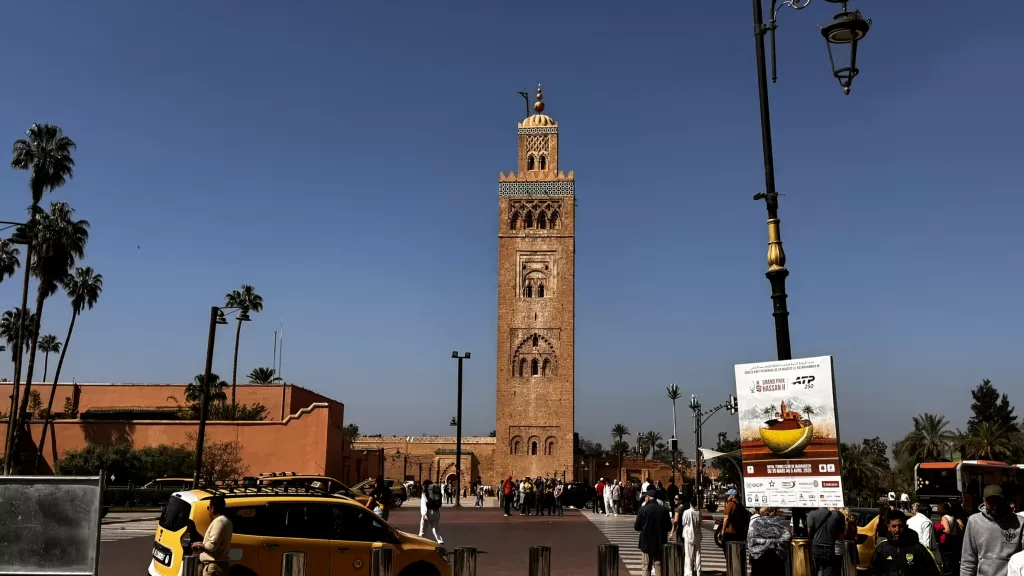
Morocco is a destination that feels unlike anywhere else—where ancient medinas, desert landscapes, and vibrant coastal cities come together in a way that is both exhilarating and deeply immersive. From the energy of Marrakech to the blue-washed calm of Chefchaouen, Morocco delivers a travel experience that engages every sense.
AFRICA
Morocco is immersive, fast-paced, and deeply cultural. Expect a mix of warm hospitality, vibrant energy, and moments that may feel unfamiliar but incredibly rewarding. Here’s what you need to know before planning your trip:
Language: The official languages are Arabic and Berber (Amazigh), but you’ll quickly notice that French is widely spoken, especially in cities, hotels, and restaurants. In tourist areas like Marrakech, Fes, and Tangier, English is increasingly common, though not guaranteed everywhere.
Currency: Morocco uses the Moroccan Dirham (MAD), which is a closed currency—meaning you typically exchange money once you arrive in the country.
Credit Cards: Credit cards are accepted at hotels, riads, and upscale restaurants. Many smaller shops and taxis are cash-only. Always carry cash for flexibility.
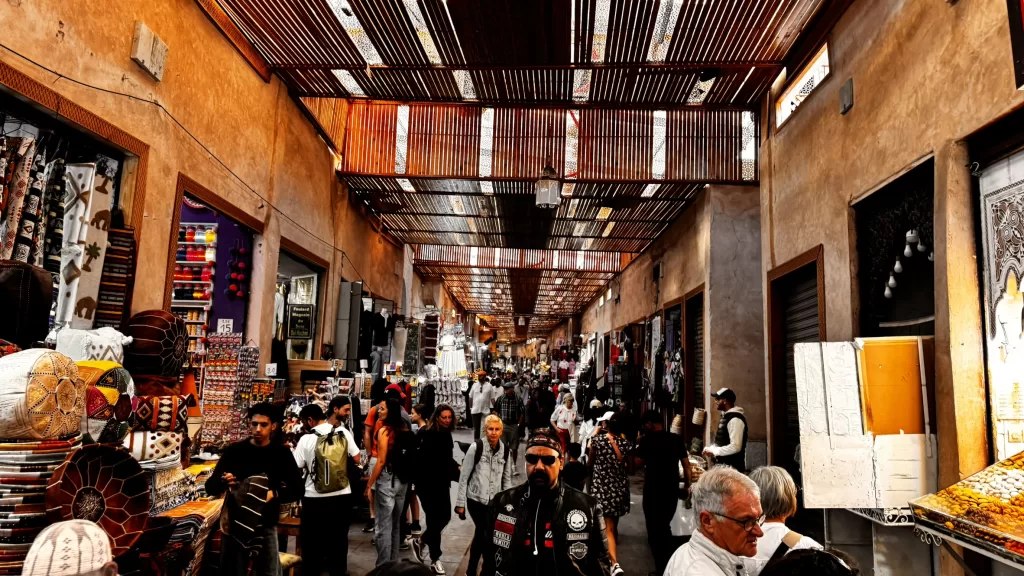
Things to Know Before You Go: Medinas can feel busy and overwhelming at first. Vendors can be persistent, especially in Marrakech. Haggling is expected in markets and taxis. Dress modestly, especially outside major cities. Guided tours can be helpful in places like Fes. While Morocco is generally considered safe, it is always advisable to keep an eye on your wallet and valuables, especially in big cities or large crowds.
Climate and Best Time to Visit: Spring (March–May) and fall (September–November) are the best times to visit. Summers are very hot inland, especially in Marrakech. Coastal areas stay cooler. Winters are mild but can be cold in the desert and mountains.
Getting around the cities and country of Morocco can be quite easy as there are various transportation options, including:
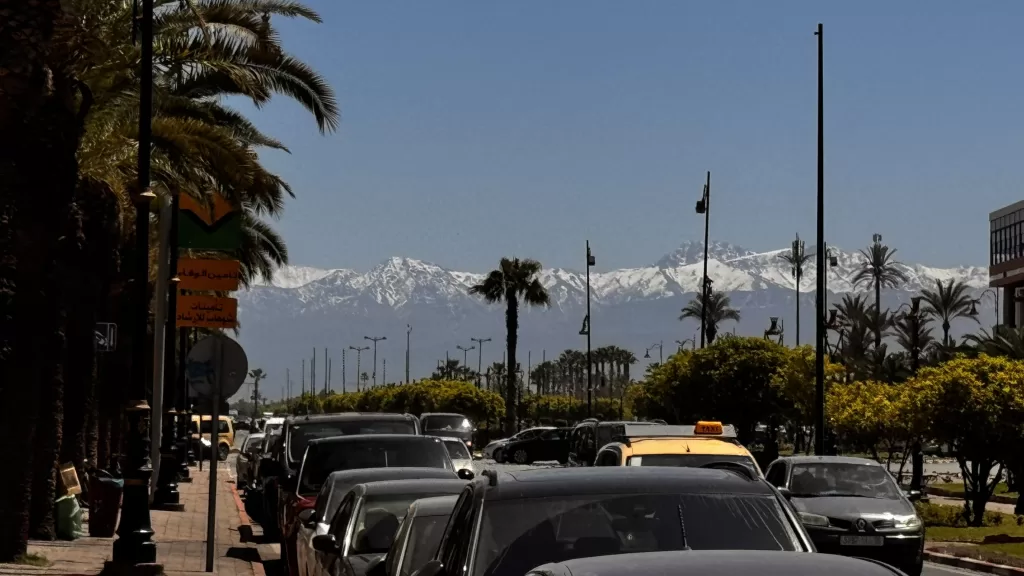
Car Rentals: Rental cars are ideal for exploring beyond the cities. Roads are generally good but there is always construction somewhere. Driving in major cities can be busy and chaotic and not advisable as other transportation options are more readily available and convenient. Avoid driving in medinas.
Taxis: Taxis are widely available in cities. Petit taxis are for short distances. Grand taxis are used for longer routes. Always agree on the fare before the ride, as meters are not always used.
Buses: Buses are a budget-friendly option with extensive coverage. Major operators include CTM and Supratours. They are reliable but slower than trains..
Trains: Trains are reliable, comfortable, and affordable. The network is operated by ONCF. Popular routes connect Casablanca, Marrakech, Fes, and Tangier. High-speed trains are available between Tangier and Casablanca.
Domestic Air: Flights are useful for long distances. Royal Air Maroc connects major cities. Trains are often more convenient for shorter routes. Expect delays for flights as weather conditions change frequently along the mountains and deserts – pack lots of patience when traveling domestically by air.
Private Drivers & Tours: Private drivers offer a seamless and comfortable way to travel. They are ideal for desert trips and destinations like Chefchaouen. This is one of the easiest ways to explore Morocco with minimal stress.
Morocco is dynamic, cultural, and highly immersive. With the right expectations, navigating the country becomes part of the experience—and one of the most rewarding parts of the journey.

Planning a trip to Morocco – whether you’re heading to Marrakech, the Agafay Desert, or the blue streets of Chefchaouen

Morocco is one of those destinations that doesn’t just check boxes – it completely pulls you in. One moment you’re